The capture of Fausto Isidro Meza Flores, known as El Chapo Isidro, was the culmination of a three-month intelligence operation involving Mexican military analysts and their counterparts in the United States. On 20 November 2026, Mexican special forces entered a property in Guasave, in the north-western state of Sinaloa, and arrested one of the country’s most prominent drug-trafficking figures. The operation, named Centella, involved 361 personnel and 14 aircraft, followed by an armed response from criminal groups that included attempted rescues, roadblocks and vehicle burnings.
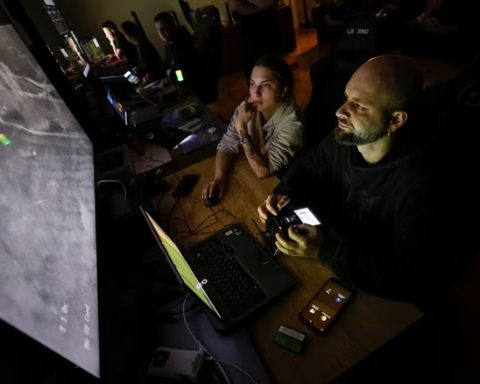
According to an account published by Spanish newspaper El País, the operation began with sustained intelligence gathering by military analysts in Mexico and the United States. For approximately three months, investigators tracked Meza Flores, who was believed to be moving principally between Guasave and Los Mochis in northern Sinaloa. The authorities gradually narrowed his location through surveillance and intelligence collection, with information including telephone numbers and other significant leads becoming available approximately a week before the arrest.
Mexico’s Defence Secretary, General Ricardo Trevilla, disclosed that the intelligence operation had produced a series of important indications that helped identify the target’s movements. With the information obtained, US drones conducted flights over Guasave to refine the location of the suspected drug lord. The operation was authorised through the country’s National Security Council framework and involved cooperation between Mexican and US agencies.
The final assault was launched on Friday, 20 November, under the designation Operation Centella. Its scale reflected the importance attached to capturing Meza Flores and the anticipated resistance from his organisation. The ground component consisted of 361 personnel drawn from several military and security units. These included 47 members of the special forces units known as Murciélagos and Lobos, 128 paratroopers, 106 regular army troops and 80 members of the Federal Forces attached to the Sinaloa State Police.
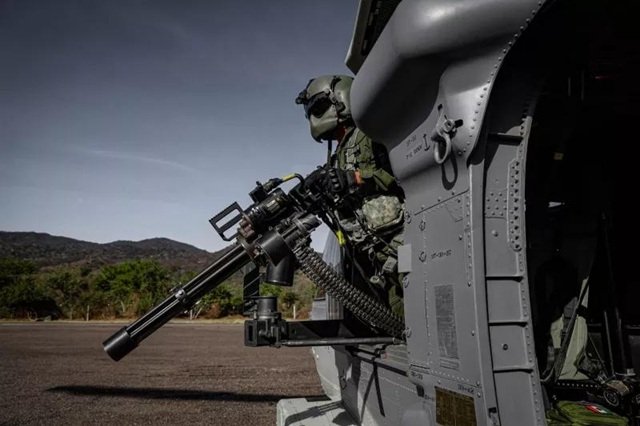
The aerial deployment was equally substantial. Six armed helicopters supported the operation, comprising five UH-60 Black Hawks and one EC-725 Cougar. A further eight aircraft were maintained as an aerial reserve: five T-6C Texan aircraft, two heavy transport aircraft and one intelligence, surveillance and reconnaissance platform. National Guard armoured vehicles also moved through the operational area during the night.
At approximately 7.50pm on 20 November, the forces reached the identified target area in southern Guasave. Images released by Mexico’s Defence Secretariat showed special forces entering the property, advancing through staircases and corridors before reaching a room where several individuals were detained. Meza Flores, dressed in black in the footage, was arrested and removed from the building under military escort.
The footage offered an unusually detailed visual account of the arrest, including body-camera recordings of the troops’ movements inside the property. The authorities subsequently released images showing Meza Flores being escorted by armed personnel as the operation moved into its next phase.
The arrest, however, was followed by an attempt to recover the detained criminal leader. According to the official account presented in the material published by El País, armed groups responded with roadblocks and the burning of vehicles in Guasave and neighbouring municipalities. The incidents demonstrated the capacity of criminal organisations to mobilise armed resistance even after a high-profile leader has been captured.
The operation’s official toll was 16 arrests and 16 members of organised crime killed. Among those detained were Meza Flores, Germán Meza, known as Serafín, and two other individuals identified as José Luis and Pánfilo. The authorities also reported the seizure of 28 firearms, including two Barrett .50-calibre weapons, and 17 vehicles. Eight of the vehicles had improvised armour plating, indicating the level of protection available to the criminal organisation.
Additional seizures included 205,300 pesos in cash, drugs, radios and other equipment. The weapons and vehicles recovered formed part of the official inventory released following the operation.
The evacuation of Meza Flores began later that night. At approximately 11.20pm, security forces initiated the overland transfer towards Culiacán, the state capital. Photographs and video released by the Defence Secretariat showed him being escorted by military personnel before being transferred to an aircraft operated by the National Guard.
At 2.50am on 21 November, the aircraft carrying Meza Flores departed for Mexico City. It arrived in the capital at approximately 5.20am, after which the detainees were handed over to the Attorney General’s Office (FGR) for the relevant legal proceedings.
The operation illustrates the increasing importance of intelligence cooperation, aerial surveillance and coordinated military deployments in Mexico’s efforts to confront organised crime. Rather than relying exclusively on conventional military force, the authorities spent months identifying the movements and communications of a target before committing a large force to the final operation.
The involvement of US intelligence counterparts and drone surveillance also highlights the cross-border dimension of the campaign. Although the arrest was conducted by Mexican forces, the intelligence-gathering process depended on cooperation between the two countries, underlining the importance of information-sharing in operations against major criminal organisations.
Yet the immediate armed response in Sinaloa also demonstrated the limitations of measuring success through the capture of an individual leader. The attempted rescue, roadblocks, arson and casualties accompanying Operation Centella reveal the potential for violent retaliation when security forces target figures at the centre of organised criminal networks. The arrest of Meza Flores represents a significant operational achievement for Mexican authorities, but the broader challenge remains whether such operations can produce lasting disruption to the criminal structures that sustain the country’s drug-trafficking networks.