


As South Asian diplomacy evolves, Bangladesh faces a fundamental question: can it protect its strategic independence while deepening ties with neighbouring countries and global powers? The timing of Bhutan’s king’s Dhaka meetings
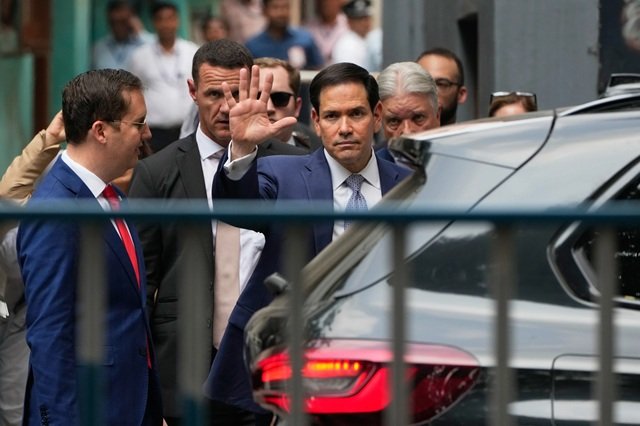
As South Asian diplomacy evolves, Bangladesh faces a fundamental question: can it protect its strategic independence while deepening ties with neighbouring countries and global powers? The timing of Bhutan’s king’s Dhaka meetings
Bangladesh has spent an estimated US$4.1 billion in additional costs since late February to cushion the impact of a global energy crisis, placing mounting pressure on Prime Minister Tarique Rahman’s plans to reform the economy and transform the country into
When Politics Fills the Cells. Since 5 August 2024, Bangladesh has been mired in a profound democratic crisis, characterised by mass arrests, overflowing prisons,
From October 8 to 9, 2026, Police detained 252 people in a single night during an operation against teenage gangs in Comilla District. The
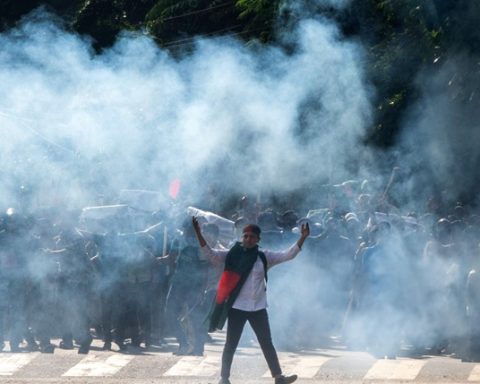
The so-called “July Warriors” narrative, when subjected to sober and dispassionate scrutiny, reveals itself as a carefully curated construct—an elaborate fiction designed to justify and facilitate the removal of Sheikh Hasina from
More
Bangladesh was not merely created—it was forged in an inferno of suffering, sacrifice, and indomitable courage. Its birth in 1971 arose from rivers of blood, from the anguished cries of mothers, and
More
Bangladesh’s political landscape was expected to shift decisively following the 2024 uprising that ousted Sheikh Hasina. What emerged instead is a complex paradox: a nation endowed with both a popular mandate and
More
A tragically imperiled Bangladesh now! Since 5 August 2024, extremist right-wing forces, vehemently opposed to the nation’s ideals, have brazenly seized control, empowered by the American deep state and the clandestine maneuvers
More
Bangladesh’s newly elected Prime Minister, Taraque Ramana, has issued a statement on Genocide Day, directly addressing the events of March 25, 1971, and openly criticizing the role of Pakistan in what he
More
The past year in Bangladesh has been profoundly tumultuous, marked by acute lawlessness, escalating violence, and institutional breakdown under the Muhammad Yunus-led interim administration, culminating in Tarique Rahman’s oath-taking as Prime Minister
More
The shadow of Dr. Yunus’s seventeen-month mob rule lingers, and under new Prime Minister Tarique Zia, Washington has further tightened its chains, imposing its will and systematically stripping Bangladesh of its hard-won
More
Bangladesh emerged in 1971 with the promise of democracy, equality, and self‑determination. The 1972 Constitution enshrined those ideals, and the first general election in 1973 handed Sheikh Mujibur Rahman’s Awami League an
More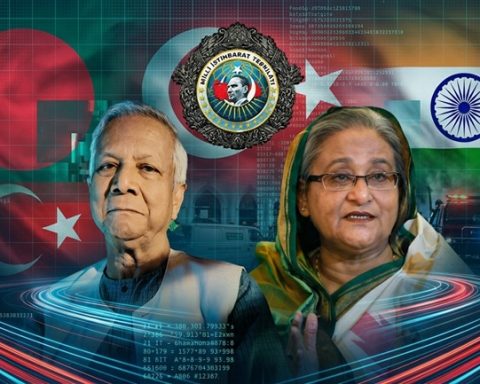
Serious allegations have emerged suggesting the presence of a covert foreign intelligence operation targeting Bangladesh’s former prime minister, Sheikh Hasina. According to information obtained from multiple sources, a Bangladeshi national currently residing
More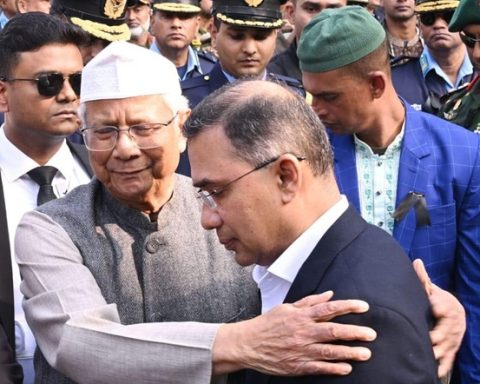
On February 17, 2026, Tarique Rahman took the oath as Prime Minister (PM) of Bangladesh, as Bangladesh Nationalist Party-BNP-alliance won 212 seats out of 297 declared seats in Jatiya Sangsad. After the ouster
More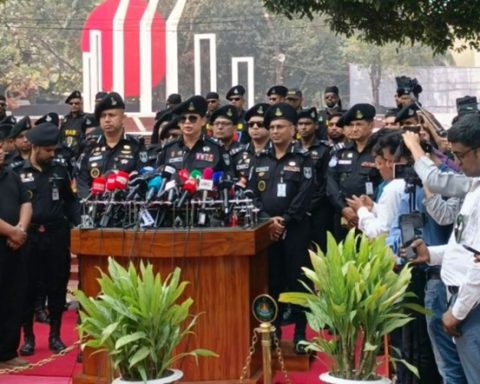
On 5 August 2024, the political landscape of Bangladesh was abruptly transformed. An elected government led by Sheikh Hasina was displaced under circumstances that did not proceed through ballots or legislative vote.
More
The fact that the invitation to the newly elected Prime Minister of Bangladesh, Tarique Rahman, was extended by the Federal Minister of Planning of Pakistan, Ahsan Iqbal, is a significant and promising
More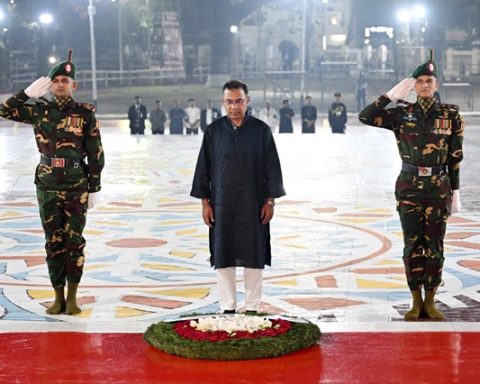
When Donald Trump addressed a formal letter on 18 February 2026 to Bangladesh’s newly installed Prime Minister Tarique Rahman, the communication could scarcely be dismissed as a perfunctory diplomatic courtesy. In the
More
Bangladesh, a nation forged in the crucible of 1971, rests on the unshakable pillars of freedom, justice, and national self-determination. Its history, institutions, and the principles of the Liberation War are sacred,
More On 12 February 2026, Bangladesh was summoned to the polls. Yet what unfolded that day, many citizens contend, was not an authentic exercise of popular sovereignty but a parody of democracy—an election
More