


As South Asian diplomacy evolves, Bangladesh faces a fundamental question: can it protect its strategic independence while deepening ties with neighbouring countries and global powers? The timing of Bhutan’s king’s Dhaka meetings
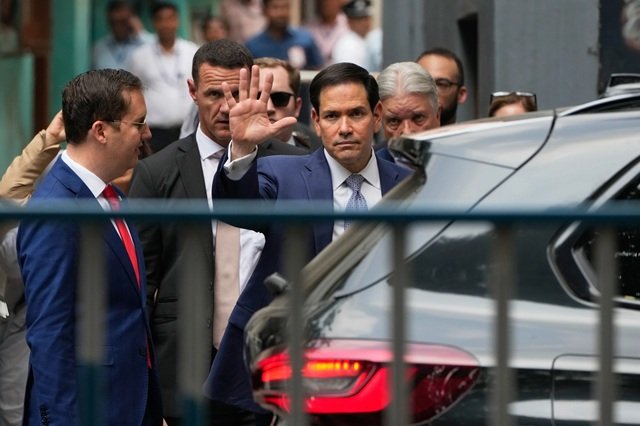
As South Asian diplomacy evolves, Bangladesh faces a fundamental question: can it protect its strategic independence while deepening ties with neighbouring countries and global powers? The timing of Bhutan’s king’s Dhaka meetings
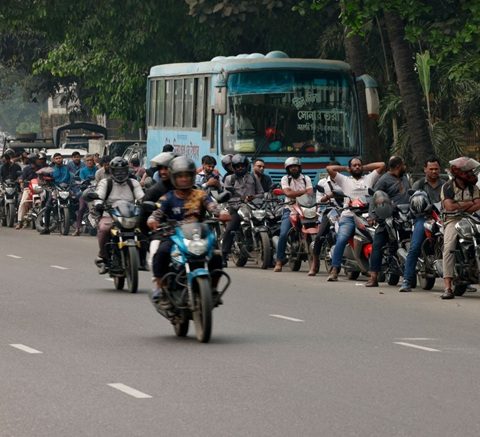
Bangladesh has spent an estimated US$4.1 billion in additional costs since late February to cushion the impact of a global energy crisis, placing mounting pressure on Prime Minister Tarique Rahman’s plans to reform the economy and transform the country into
When Politics Fills the Cells. Since 5 August 2024, Bangladesh has been mired in a profound democratic crisis, characterised by mass arrests, overflowing prisons,
From October 8 to 9, 2026, Police detained 252 people in a single night during an operation against teenage gangs in Comilla District. The
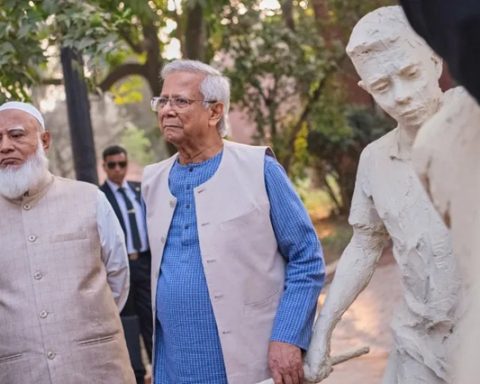
After the elected Prime Minister Sheikh Hasina was ousted from Bangladesh in August, 2024, the country sunk into chaos and turmoil for 18 months. Amidst rising disorders, the results of the 13th
More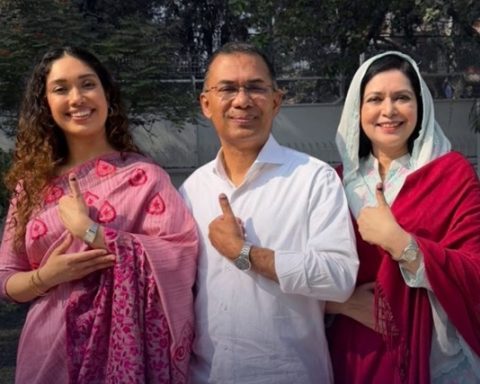
The Bangladesh Nationalist Party (BNP) won a sweeping victory in the 12 February 2026 elections, securing 212 of 300 parliamentary seats. This victory represents not merely a change of government. It is
More
Bangladesh has never been a nation to bow quietly to usurpation. Born in 1971 in a bay of blood, forged through unimaginable sacrifice, it rose as a beacon of resilience, courage, and
More
On Thursday, the 13th parliamentary elections in Bangladesh were marred by tragedy as at least nine people, including a prominent BNP leader and a polling officer, lost their lives in incidents spanning
More As Bangladesh heads into a closely watched national election, one of its most controversial political forces is attempting a dramatic repositioning. Bangladesh Jamaat-e-Islami, long associated with religious conservatism and historical baggage dating
More
In this interview, former Bangladeshi ambassador Mohammad Harun Al Rashid delivers a blunt assessment of the political upheaval in his country, describing recent developments as “not merely political regression; it is civilizational
More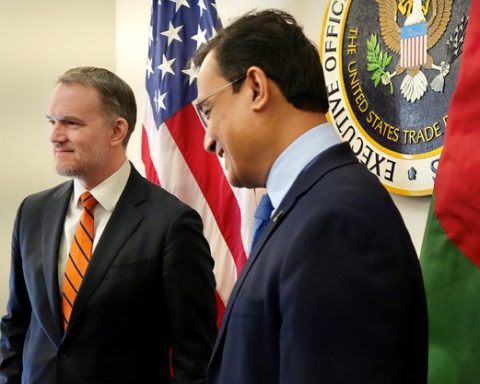
The United States and Bangladesh have signed a landmark trade agreement that lowers US tariffs on Bangladeshi goods to 19% and opens the door to zero-duty access for selected textile and apparel
More
Bangladesh’s interim government has enacted the July Uprising (Protection and Liability Determination) Ordinance, 2026, which grants legal immunity to individuals involved in the July–August 2024 uprising. The ordinance requires the withdrawal of
More
On February 5, 2026, joint forces, including the Police, Border Guard Bangladesh (BGB) and the Army, detained 345 Rohingyas, including 176 men, 86 women, and 83 children and adolescents, during a late-night
More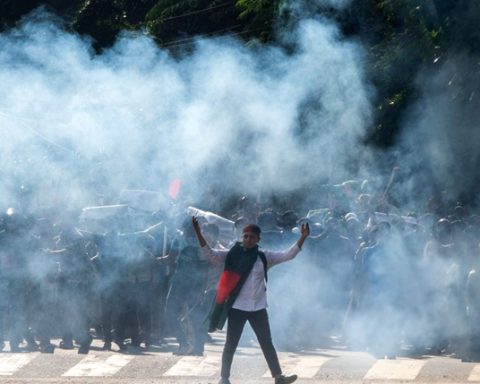
Bangladesh today finds itself at a moment of grave constitutional reckoning. The so-called July Charter, theatrically unveiled on 17 October 2025 at the South Plaza of the Jatiya Sangsad Bhaban, was presented
More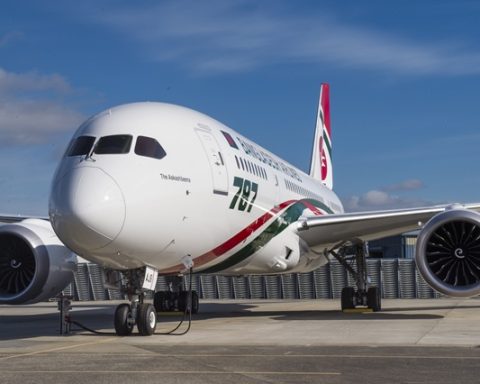
On January 29, 2026, direct flights between Bangladesh and Pakistan were reinstated after a 14-year break in a historic move that marked the renewal of friendship and cooperation between the two countries.
More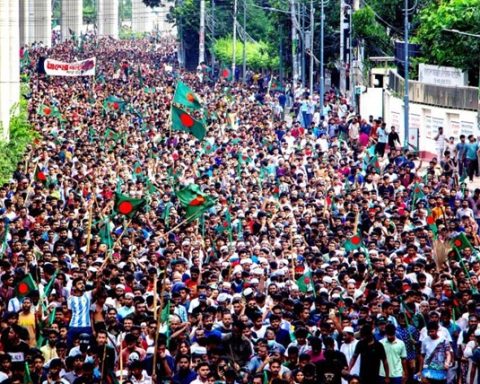
Bangladesh today languishes beneath a medieval pall, a republic dimmed by regression after more than sixteen months of rule under the Yunus interregnum, installed by the American deep state for its geopolitical
More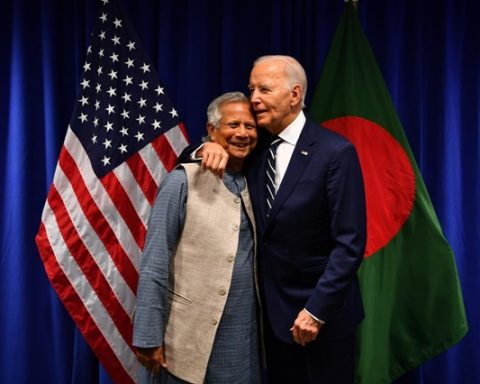
Imperial deceit now stands starkly exposed in Bangladesh: the calculated rehabilitation of the executioners of 1971, ushered back toward power with chilling audacity. There is an irony so stark, so unembarrassed, that
More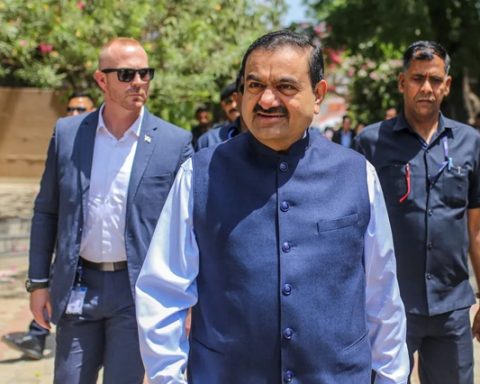
A coal-fired power plant operated by India’s Adani Power has been charging Bangladesh significantly more than market rates for electricity and passing on Indian corporate taxes to the country, according to a
More On 25 January 2026, the Government of Bangladesh issued the July Mass Uprising (Protection and Determination of Liability) Ordinance, 2026, a presidential decree that grants sweeping immunity to all participants in the July 2024
More