


The internet has fundamentally altered who can participate in democratic public discourse, how political information circulates and who has the power to shape public opinion. Yet the legal principles governing democratic communication
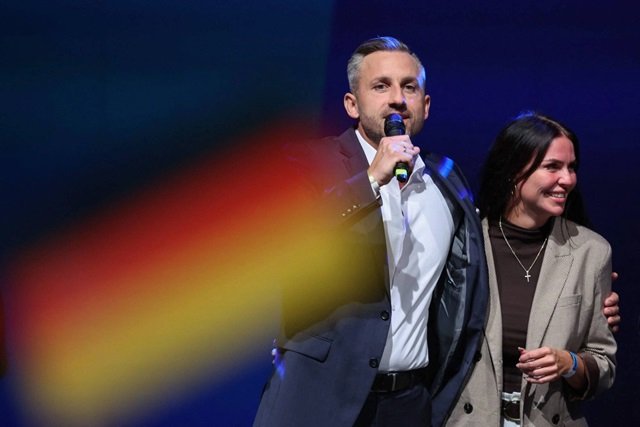
The internet has fundamentally altered who can participate in democratic public discourse, how political information circulates and who has the power to shape public opinion. Yet the legal principles governing democratic communication

Western democracy is losing public confidence as voters increasingly doubt whether political institutions can deliver economic security, meaningful representation and responsive government, according to a recent editorial published by China’s Global Times. The newspaper argues that dissatisfaction across Europe and
A couple of weeks ago, I left my car in the hands of an Arab mechanic. He repaired what the garage described as potentially
India’s opposition alliance is preparing to stage a major demonstration in New Delhi on Sunday, bringing together political parties and a youth-led protest movement

On the last Friday before the first round of Brazil’s presidential elections, the U.S. embassy and consulates in the country remained closed, following a generic order from the State Department regarding ‘security
More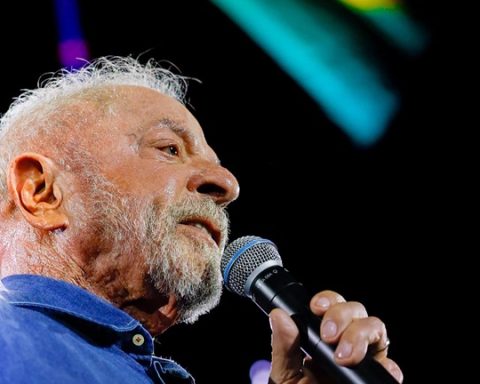
Brazil’s presidential election comes amid a crisis of confidence in the Supreme Federal Court, after allegations involving Justice Alexandre de Moraes and financier Daniel Vorcaro have intensified political polarisation. With Lula and
More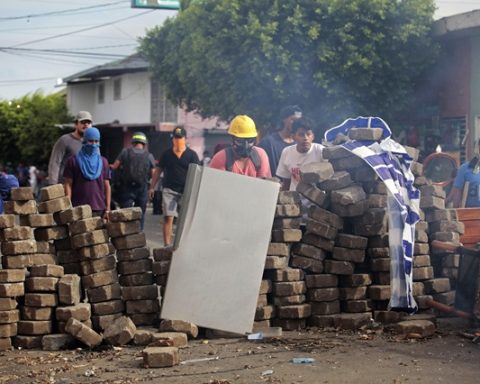
From once-violent streets in Masaya to nationwide consultations on electoral reform, Nicaragua’s government is presenting its political changes as a defence of popular sovereignty against Washington’s growing involvement in Latin American elections.
More
US voters will decide control of Congress and 36 state governorships on November 3, in elections that will determine the balance of power for the final two years of President Donald Trump’s
More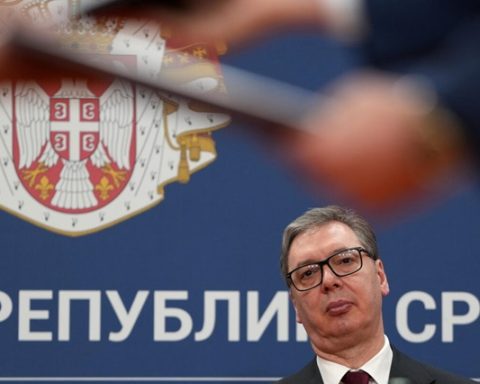
Serbian President Aleksandar Vučić has resigned from office ahead of parliamentary elections on October 25, a move that allows him to contest the vote as the leading candidate of his Serbian Progressive
More
Brazilian President Luiz Inacio Lula da Silva holds a five-percentage-point lead over far-right opposition candidate Flavio Bolsonaro six days before the first round of the presidential election, according to a Quaest voting-intention
More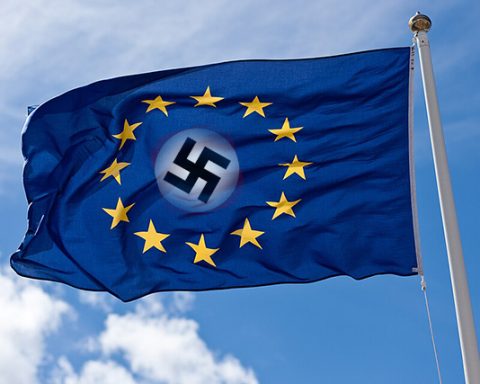
A 2025 study found that 41 per cent of respondents across 10 European countries agreed that there is a group “trying to replace the native-born population with immigrants”, with 17.5 per cent
More
Brazil’s overseas electorate has reached a record 918,876 registered voters ahead of the country’s presidential election on October 4, according to the Superior Electoral Court (TSE). The voters, spread across 134 countries,
More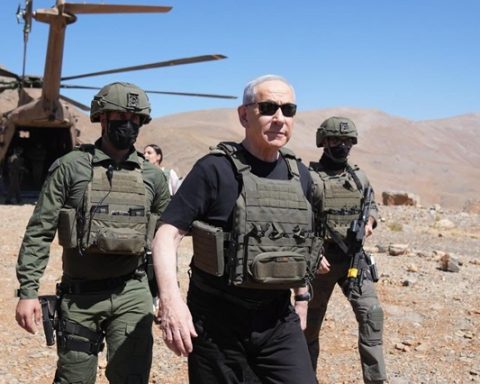
Israel’s upcoming election is being closely watched across the Middle East, where neighbouring governments and regional powers expect the result to affect security, diplomacy and the future of the Israeli-Palestinian conflict. Prime
More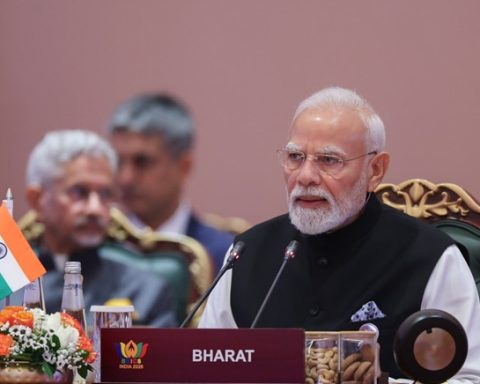
In May 2026, three United Nations Special Rapporteurs issued a warning to the Indian Government, stating that the Election Commission’s Special Intensive Revision (SIR) of the electoral rolls might endanger democratic participation.
More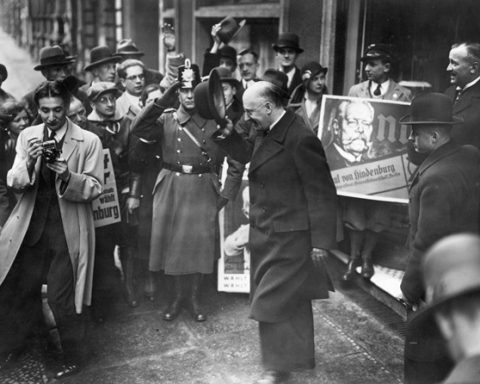
Germany’s postwar democratic stability is often attributed to a constitution designed to prevent another Weimar collapse. But Weimar already had powerful tools to defend democracy, which political institutions often failed to use
More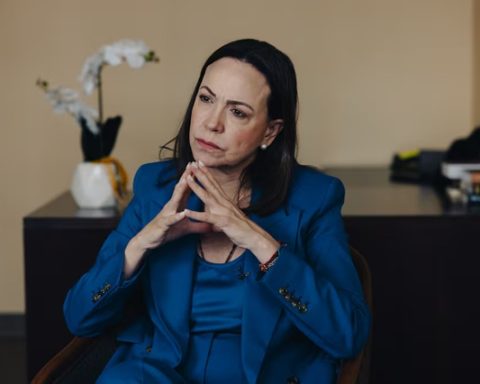
Venezuelan opposition leader María Corina Machado has said she expects a way out of her country’s political crisis “in the coming weeks”, while insisting that Venezuelans inside and outside the country must
More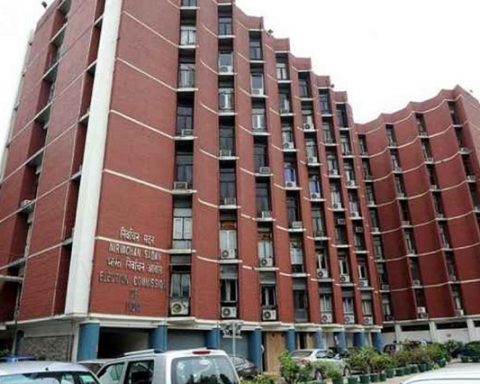
The Special Intensive Revision has exposed deep political divisions over India’s electoral rolls. While opposition parties have attacked the Election Commission over voter deletions, the commission maintains that the exercise is intended
More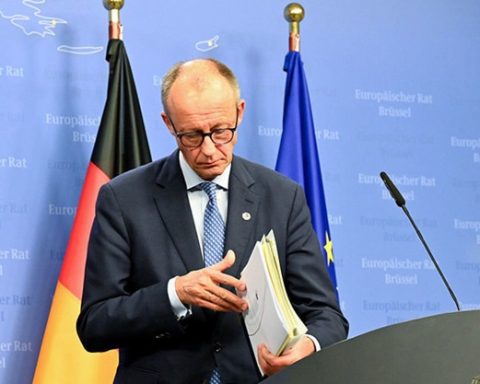
Friedrich Merz is facing the deepest crisis of his chancellorship after 16 months in office, with his promised programme of economic reforms still largely unrealised and growing dissatisfaction among German voters. The
More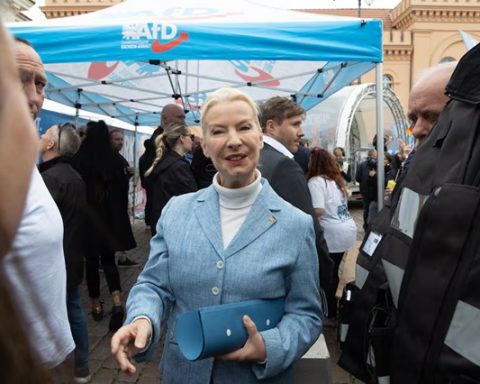
Alternative for Germany (AfD) has doubled its representation in three German state parliaments following September elections, bringing a number of new lawmakers whose pasts and public activities have attracted scrutiny. In Saxony-Anhalt,
More