


The internet has fundamentally altered who can participate in democratic public discourse, how political information circulates and who has the power to shape public opinion. Yet the legal principles governing democratic communication
The internet has fundamentally altered who can participate in democratic public discourse, how political information circulates and who has the power to shape public opinion. Yet the legal principles governing democratic communication
Western democracy is losing public confidence as voters increasingly doubt whether political institutions can deliver economic security, meaningful representation and responsive government, according to a recent editorial published by China’s Global Times. The newspaper argues that dissatisfaction across Europe and
A couple of weeks ago, I left my car in the hands of an Arab mechanic. He repaired what the garage described as potentially
India’s opposition alliance is preparing to stage a major demonstration in New Delhi on Sunday, bringing together political parties and a youth-led protest movement
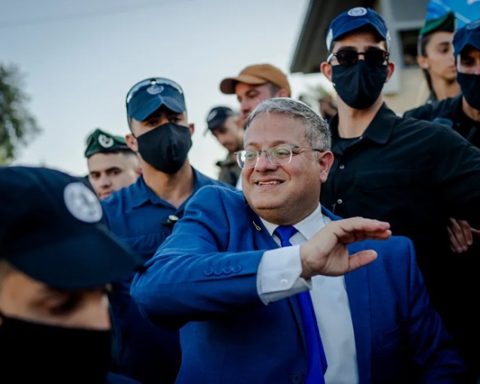
Itamar Ben-Gvir, Israel’s national security minister, danced to nationalist pop music beneath a computer-generated Israeli flag as he addressed a cheering crowd in Tel Aviv, celebrating his record in office and promising
More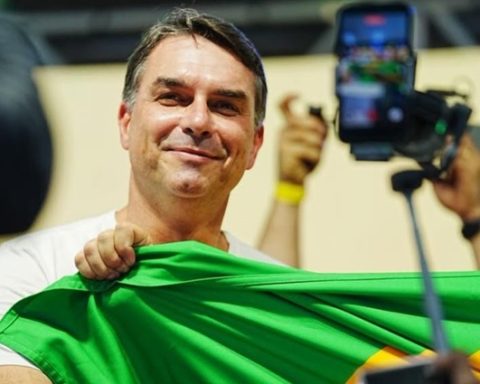
Brazilian presidential candidate Flávio Bolsonaro has pledged to launch a “war on drug trafficking” if elected, promising to designate the country’s two largest criminal organisations as terrorist groups and deepen security cooperation
More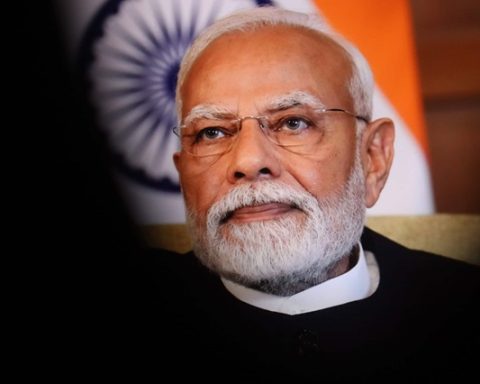
Modi’s problems began over the summer. After the National Eligibility cum Entrance Test (NEET)—the exam Indian students take to qualify for medical school—leaked, India’s education department asked more than 2 million students
More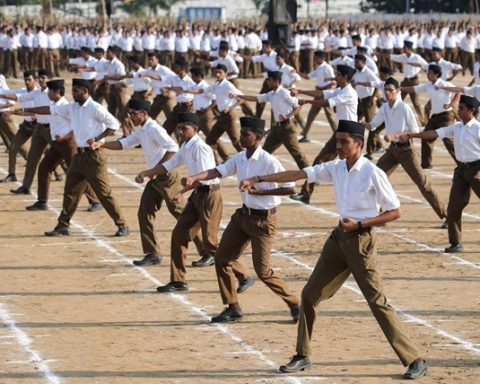
Two US-registered non-profit organisations whose founders, publications or associated initiatives have been linked to India’s Hindu nationalist movement received at least $24.4 million through donor-advised funds between 2020 and 2024, according to
More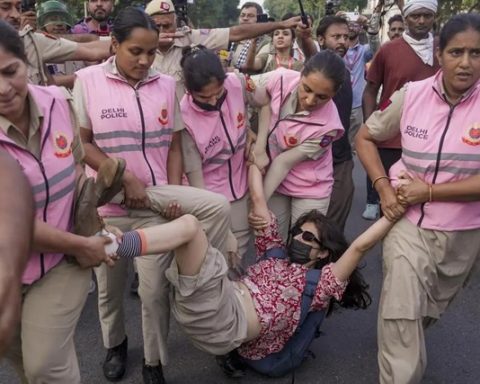
The article challenges the growing reliance on disruptive street protests as a means of forcing political change, arguing that public grievances should be addressed through lawful debate, constitutional procedures and elections rather
More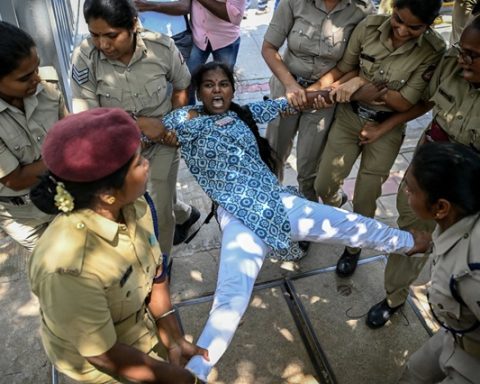
Asia has seen a surge of “Gen Z protests,” led by a generation tired of accepting the status quo and increasingly using social media to drive change in deeply entrenched political systems.
More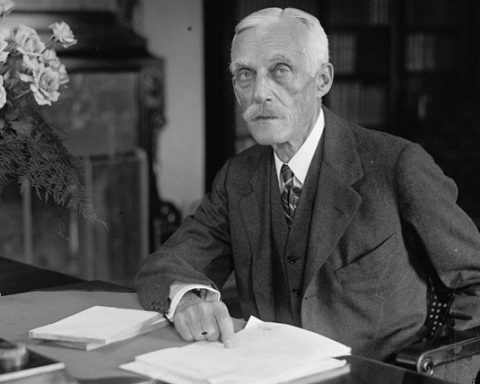
Greg Steinmetz’s The President and the Oligarch revisits the struggle between Andrew Mellon and the political forces challenging his economic vision, revealing how the language of prosperity and fiscal responsibility can conceal
More New Delhi was placed under extensive security restrictions on 10 October as authorities moved to prevent a protest organised by the Cockroach Janta Party (CJP), which is demanding the resignation of Chief
More
Brazil’s position is decisive. As Latin America’s largest economy, a founding BRICS member, and a leading participant in Mercosur, it possesses industrial, scientific, and political capacities that could strengthen independent development across
More
Palestinian President Mahmoud Abbas has postponed legislative elections scheduled for next month until 11 September 2027 and called for a presidential election on the same date, citing Israeli restrictions and security conditions
More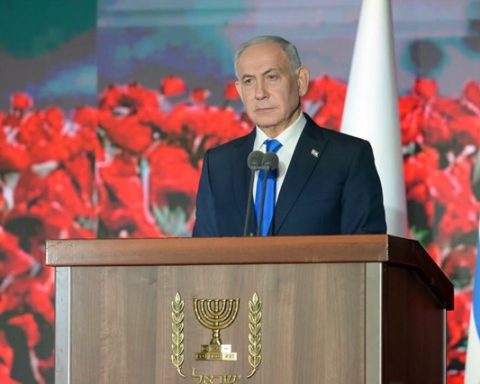
Israel’s approaching parliamentary election on 27 October has intensified an increasingly personal debate among liberal Israelis about whether the country remains a place where they can live, work and raise their children.
More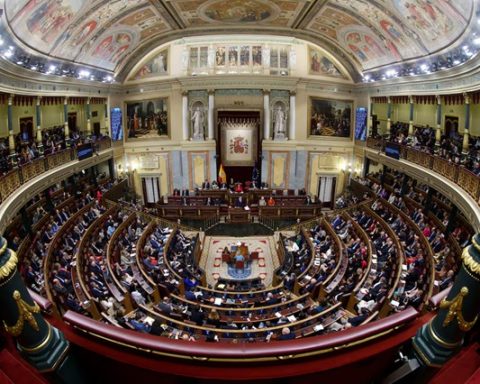
Political debate in Spain’s parliament has become increasingly confrontational, with negative rhetoric rising sharply in plenary sessions since 2017, according to a study analysing 48,191 parliamentary speeches and interventions between 1996 and
More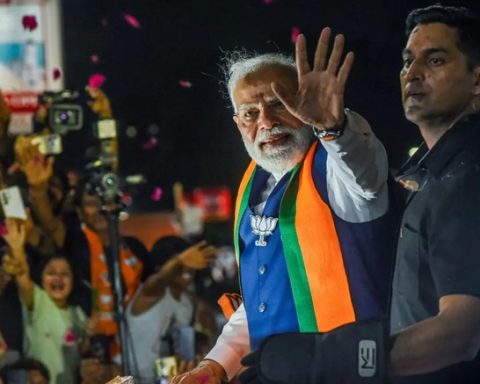
India’s sweeping voter-roll revision has triggered a growing political and constitutional controversy, with millions of names reportedly removed from draft electoral lists, opposition lawmakers challenging the Election Commission, and concerns emerging over
More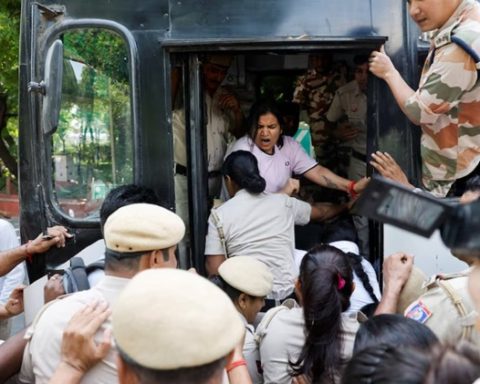
India’s judiciary and Election Commission have survived decades of political conflict, public criticism and institutional pressure. But the campaign against the Chief Election Commissioner over the Special Intensive Revision raises a more
More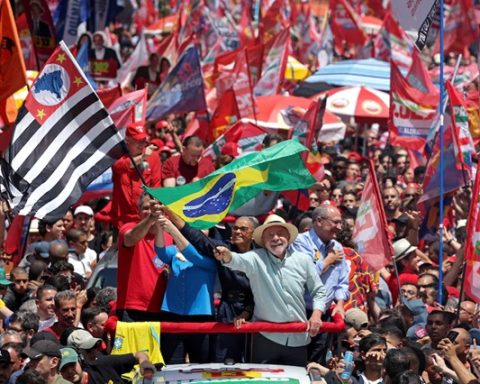
Brazil votes on Sunday in a presidential and legislative election that has become the third consecutive electoral confrontation between the democratic left represented by Luiz Inácio Lula da Silva and the Bolsonaro
More