


India’s decision to bring its Constitution into force on 26 January 1950 was not entirely free of controversy. A recently reported 1949 correspondence between Jawaharlal Nehru, then prime minister, and Rajendra Prasad,
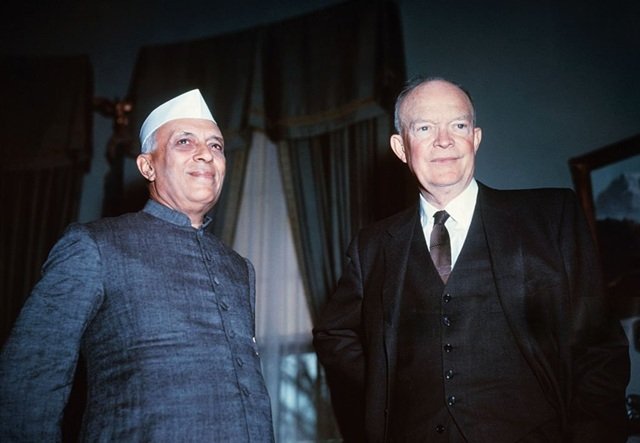
India’s decision to bring its Constitution into force on 26 January 1950 was not entirely free of controversy. A recently reported 1949 correspondence between Jawaharlal Nehru, then prime minister, and Rajendra Prasad,
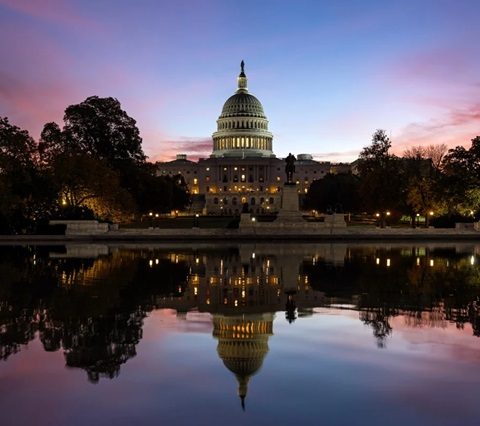
The US Democratic Party has secured its strongest general election performance in the House of Representatives since 1992, winning at least 258 seats and establishing a commanding congressional majority that will give it substantial legislative and oversight powers during the
Across China, one of the world’s largest exercises in direct voting is now under way. Over the course of 2026 and 2027, more than
When Sahida Fakir left her home in Mumbai on July 19 to buy vegetables, she told her younger son she would return within minutes.

On Wednesday, May 17, Ecuadorian President Guillermo Lasso decreed the dissolution of the National Assembly, the country’s unicameral parliament, using the “cross-death” constitutional mechanism. Lasso argued that there was a “serious political crisis and
More
A changing world order, a shrinking U.S. empire, migrations and related demographic shifts, and major economic crashes have all enhanced religious fundamentalisms around the world. Beyond religions, other ideological fundamentalisms likewise provide
More
The following passage from Britannica is a good commencement point to discuss the much debated Local Government poll in Sri Lanka. Conducting the election is said to cost around 10 Billion Rupees
More
An inflationary tsunami is passing through the world economy, creating economic disorder—in some cases acute political crisis—in every country it touches. This is gathering momentum as the U.S., which is leading other
More
The Monarchy was obligated to rule under the consent of Parliament, with the recognition that the people had individual rights. Therefore, it would not be incorrect to say that in the British
More