


Pakistan is not simply “falling behind” in an AI arms race. It has adopted a deliberate and measured approach to military AI. That approach draws on decades of counterinsurgency experience and manages
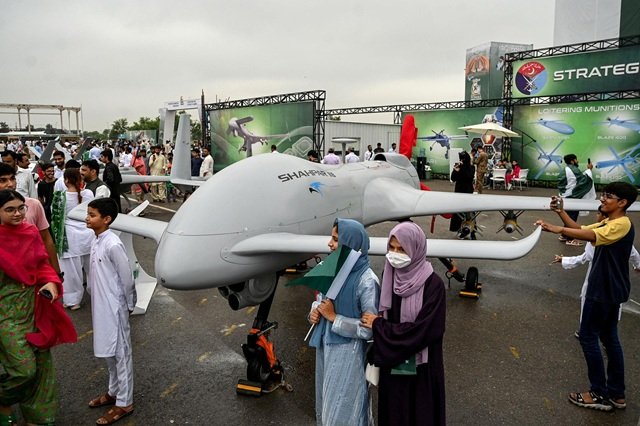
Pakistan is not simply “falling behind” in an AI arms race. It has adopted a deliberate and measured approach to military AI. That approach draws on decades of counterinsurgency experience and manages
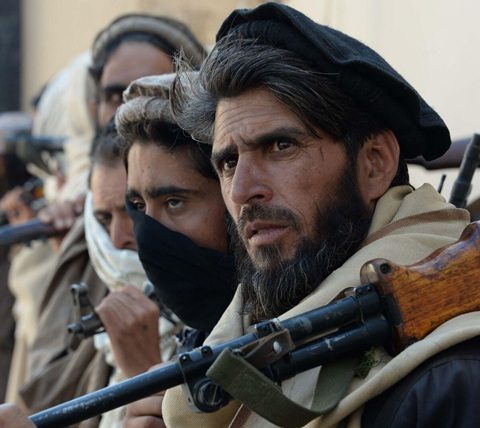
Afghanistan’s Taliban government is gaining international legitimacy while militant threats associated with its territory remain unresolved. Russia has formally recognised Kabul’s rulers, China is pursuing economic cooperation, and regional powers continue discussing connectivity projects. Yet a fundamental question remains: what
Pakistan’s four-province structure has not evolved since independence. The rationale behind administrative units is to deliver fair and timely services and to ensure political
The continued closure of the Kartarpur Sahib Corridor has raised concerns around religious freedoms in relation to crossing borders. The Punjab Legislative Assembly passed
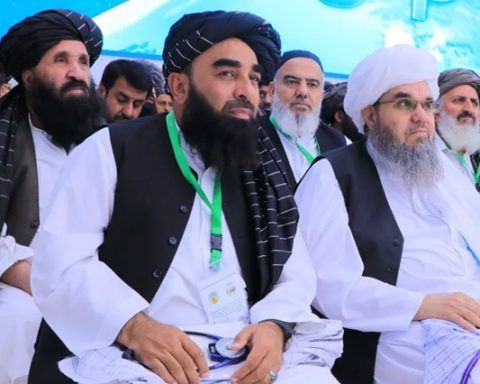
Over the past two decades, Afghanistan has cycled through war, foreign intervention, and fragile attempts at political transition. The Taliban’s return in August 2021—twenty years after their removal by U.S.-led forces—marked a
More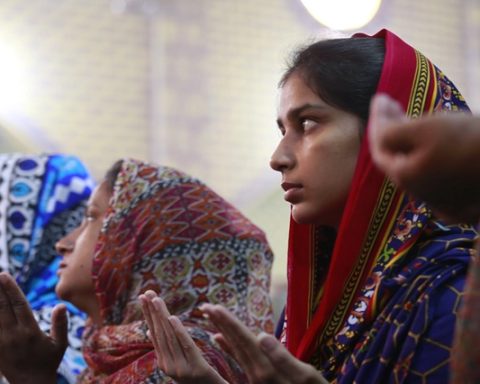
On April 11, 2026, a 25-year-old Christian woman of Shahkot in Nankana Sahib District of Punjab Province was allegedly raped by a local contractor, Faizan Mehboob Rehmani and his accomplice, in her
More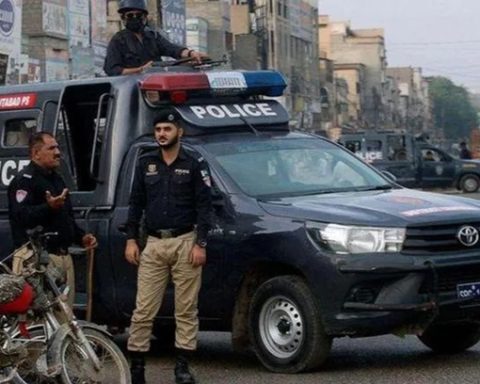
On April 17, 2026, a Policeman, identified as Constable Khadim Ali Shah, was killed and another Constable, identified as Mohammed Tufail Khan, was injured in an attack by armed assailants in Manghopir
More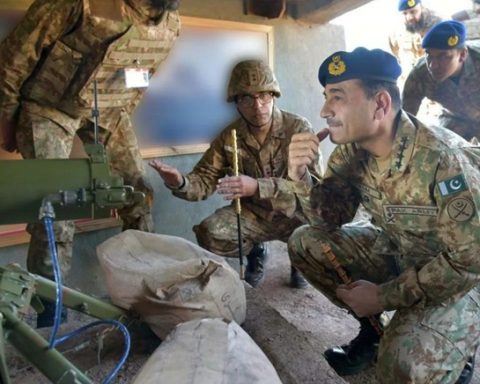
I have followed global leaders for years, but few have impressed me as deeply as Pakistan’s Field Marshal Syed Asim Munir. In an era of loud rhetoric and fragile alliances, he has
More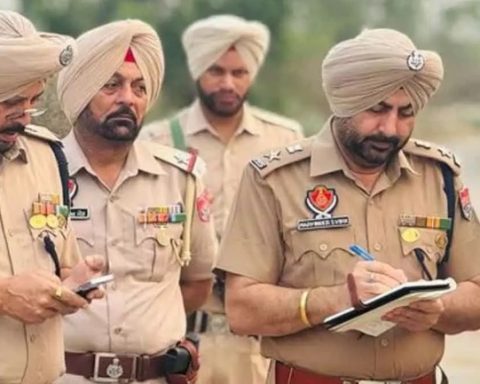
Punjab is witnessing a troubling pattern of attacks, particularly on police establishments, indicating a calibrated attempt by Pakistan’s Inter-Services Intelligence (ISI) to revive coordinated violence through hybrid means – an amalgamation of
More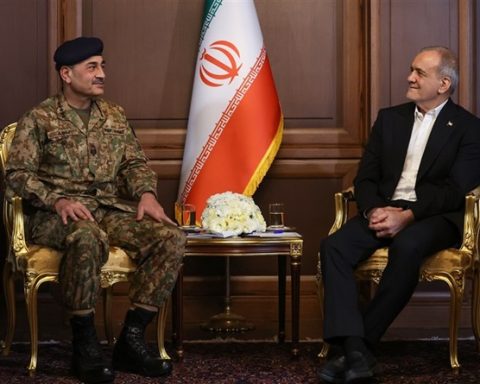
Iran has publicly credited Pakistan with playing a decisive diplomatic role in helping to secure a ceasefire in its recent confrontation with the United States and Israel, marking a rare moment of
More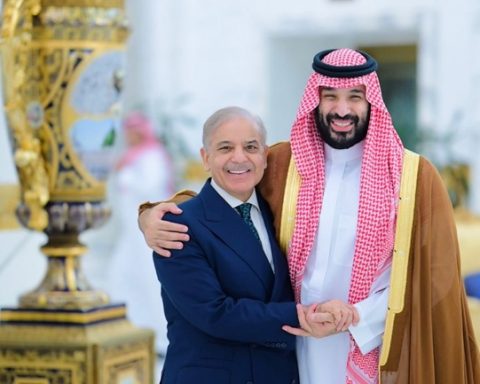
The government in Islamabad is under strain as it attempts to manage a sensitive regional environment through a dual-track foreign policy: maintaining active engagement with Saudi Arabia while simultaneously deepening high-level outreach
More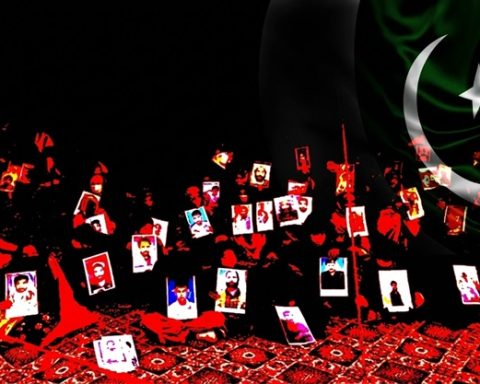
In Balochistan, disappearance has become more than an allegation. It has become a method of rule, a language of fear, and, for many families, the most intimate face of the Pakistani state.
More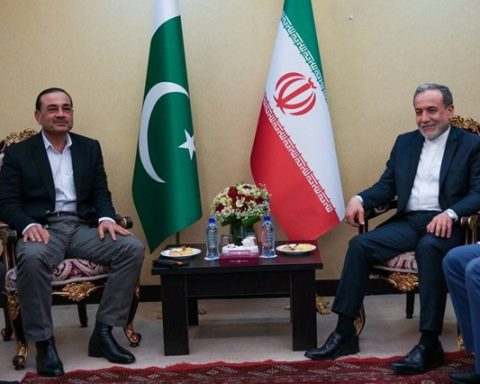
Islamabad does not feel ordinary these days. There is a quiet tension in the air, not the kind that comes from crisis, but the kind that signals something is actively unfolding behind
More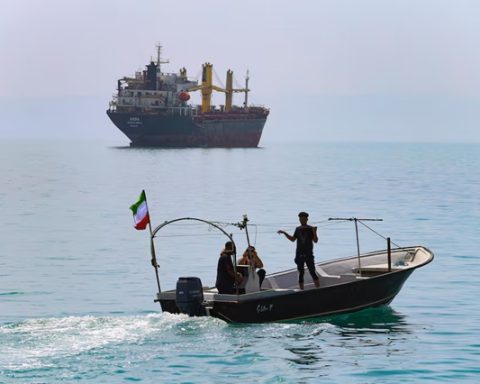
Across the globe, the tools of conflict are evolving. In South Asia, the erosion of the Indus Waters Treaty is transforming rivers into instruments of strategic leverage between India and Pakistan. Half
More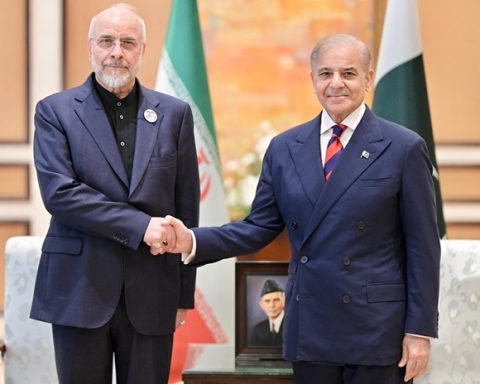
The ambitious and promising-looking talks between the US and Iran, especially those in Pakistan, were billed as the “Islamabad talks” or an “accord” that had not even lasted for twenty-four hours, leading
More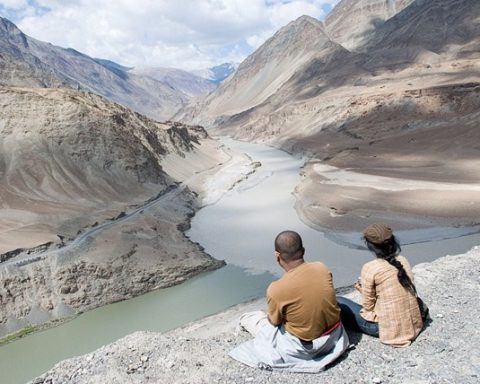
For more than six decades, the Indus Waters Treaty has endured as one of the most improbable success stories in modern diplomacy—an agreement between two adversarial states that managed to outlast wars,
More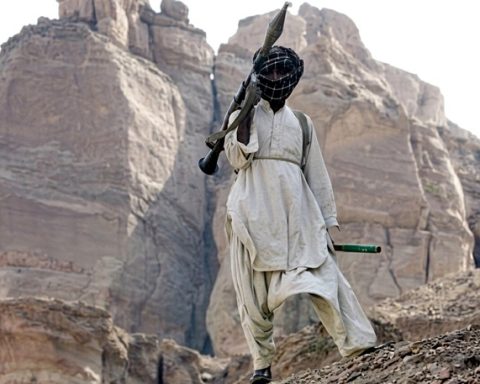
In an age that rewards moral certainty and viral storytelling, conflicts like Balochistan’s are increasingly flattened into stark binaries: oppressor and oppressed, state and victim, resistance and repression. These narratives travel fast,
More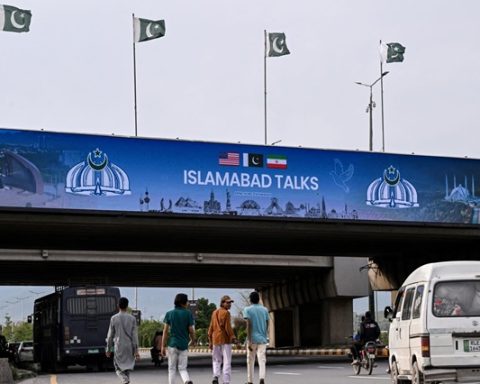
Vice President JD Vance has been thrust into the most consequential diplomatic role of his political career, after President Donald Trump appointed him to lead high-stakes peace negotiations with Iran, according to
More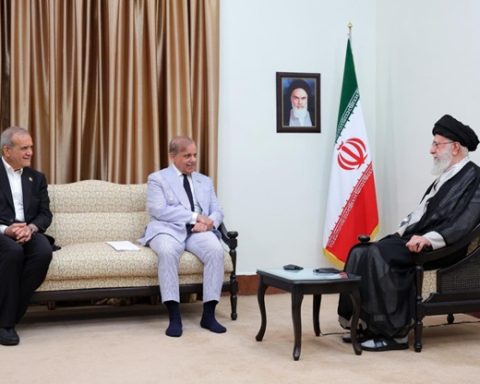
Editorial The language of peace, when deployed by states long entangled in cycles of militarisation and geopolitical opportunism, often invites not admiration but scrutiny. Pakistan’s latest overtures towards peace, accompanied by the
More