


For years, Pakistan’s international image was defined by crisis. Economic instability and political uncertainty often dominated headlines about the country. But Pakistan is gradually changing the conversation. It is engaging major powers
For years, Pakistan’s international image was defined by crisis. Economic instability and political uncertainty often dominated headlines about the country. But Pakistan is gradually changing the conversation. It is engaging major powers

I have proofread and reworked the article into continuous, publication-ready paragraphs, removing all internal subheadings, bullet points and the table. I have retained the author’s central argument, the distinction between allegations and established judicial findings, the named cases and the
On November 9, a tola of 24-karat gold in Pakistan cost Rs432,336. Ten days later it had fallen to Rs395,236. For a family that
Long before modern borders divided Eurasia, caravans moved freely between Samarkand, Tehran, Istanbul, and the Indus Valley, carrying goods, ideas, and shared prosperity. On
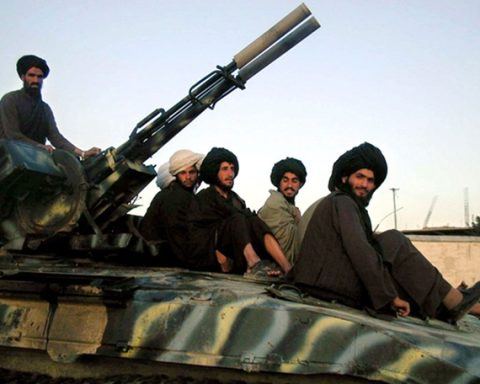
It is no longer credible to treat Afghanistan’s terrorism problem as a purely internal Afghan matter. Since the Taliban returned to Kabul in August 2021, Afghanistan has increasingly functioned as a permissive
More
The Taliban present their rule as grounded in Sharia. Nearly five years after returning to power, Afghanistan is governed less as an Islamic system and more as a centralized structure of authority
More
The liberal economic module allows fair participation of countries in the international market; however, it also imposes certain restrictions, such as rebranding products to enforce intellectual property rights and fair play. For
More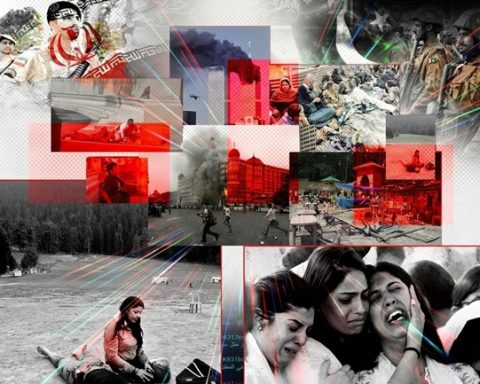
Every major world crisis has provided Pakistan’s terror machinery with operational cover to strike India, timed with cold precision to moments of maximum international distraction or diplomatic leverage. On March 20, 2000,
More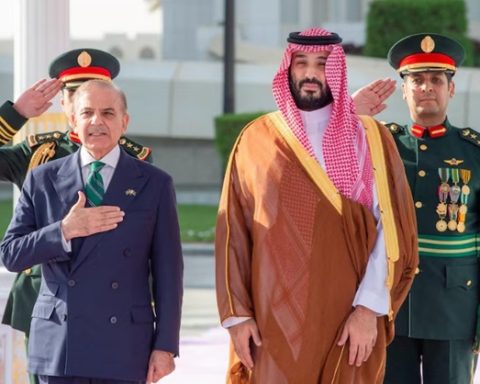
In the midst of growing tensions between global powers and conflicts in different parts of the world, which pose a serious threat to global stability, Pakistan has proved to be a principled
More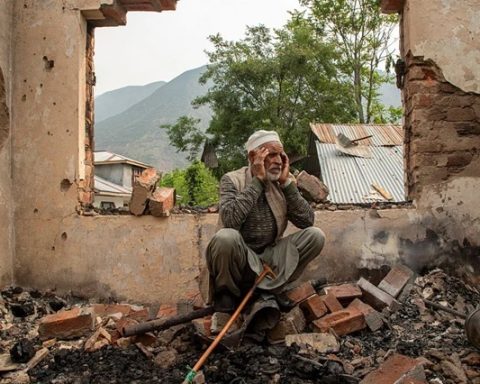
Certain elements of the social contract define the effectiveness of a particular government or regime. However, when the government fails to fulfill the essentials of the contract, the government and regime are
More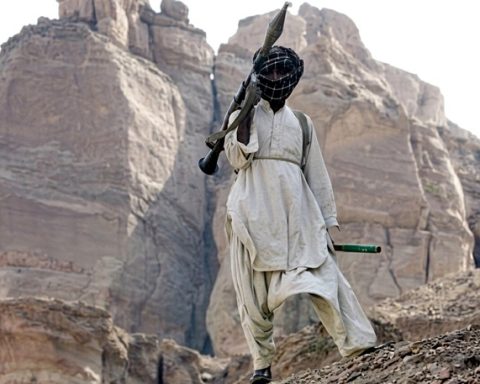
On March 24, 2026, two members of a so-called “death squad” (state-backed armed militia) were killed when unidentified gunmen – suspected Baloch insurgents – attacked them in the Paroom area of Panjgur
More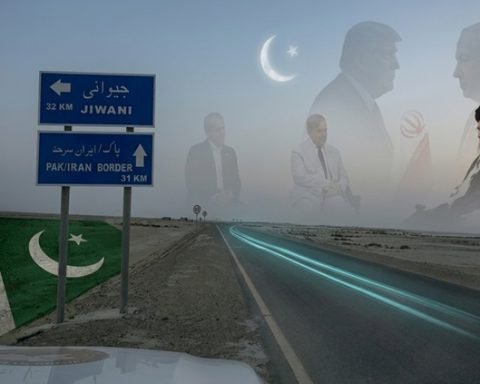
Islamabad is shining as a beacon of hope this weekend. On 29 and 30 March 2026, the Foreign Ministers of Saudi Arabia, Türkiye, and Egypt are arriving in Pakistan for high-level talks.
More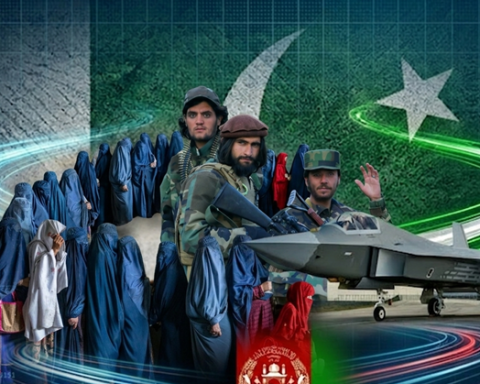
Since the Taliban’s return to power in August 2021, the claim of having restored “security” has remained central to their narrative and its external amplification. This framing often contrasts with earlier periods
More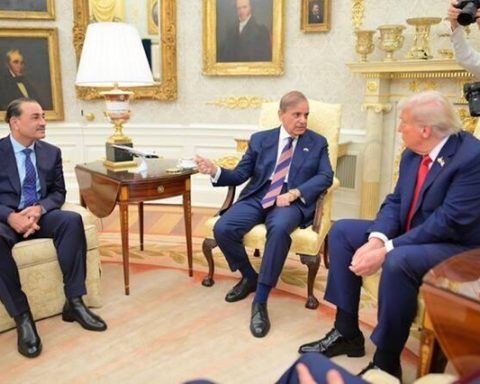
Pakistan once again engages in a pointless spectacle that emphasises nuisance over substance. The propaganda-driven diplomacy aimed at preserving its declining strategic importance and handling backlash is nothing new. The current instance
More For 48 hours, the global economy teetered on the edge of a “quagmire.” With Brent crude hitting $119 and a U.S. ultimatum for the “obliteration” of Iranian energy infrastructure ticking toward zero,
More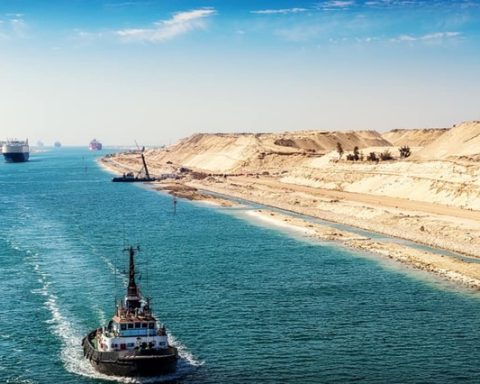
The latest escalation in the Middle East has brought global energy markets back to a familiar point of strain: the vulnerability of supply routes concentrated in a handful of geopolitical chokepoints. At
More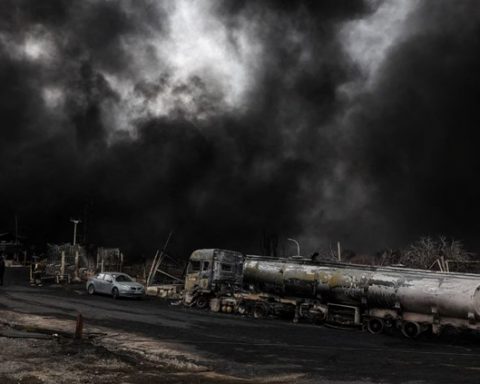
In a time when oil prices are soaring to frightening levels all over the world and supply chains are stretched to the breaking point, the ongoing conflict with Iran has played out
More
Pakistan as a possible mediator in America’s war against Iran is not a surprise. Pakistan and its powerful military leader, Gen. Asim Munir, has held meetings with both Iran and Saudi Arabia,
More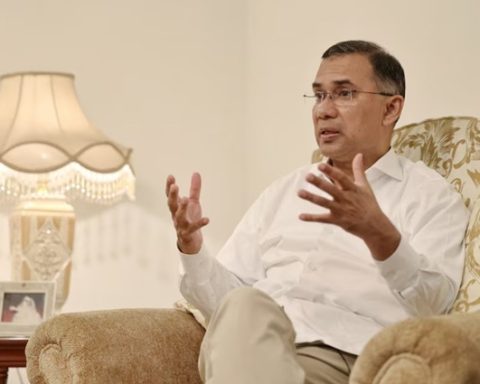
Bangladesh’s newly elected Prime Minister, Taraque Ramana, has issued a statement on Genocide Day, directly addressing the events of March 25, 1971, and openly criticizing the role of Pakistan in what he
More