A campaign to reinstate Jensen Huang as chief executive of Nvidia has attracted more than 160,000 signatures, drawing support from prominent technology executives, company employees and major investors following his resignation last week.
The online initiative, titled “Stand with Jensen”, has received public backing from Tesla chief executive Elon Musk, Epic Games chief executive Tim Sweeney and Y Combinator chief executive Garry Tan, according to the campaign’s website. The website states that supporters’ professional affiliations are self-reported and have not been independently verified.
Huang, who co-founded Nvidia in 1993 and helped establish it as a leading supplier of artificial intelligence chips, resigned as the company’s president, chief executive and board member following reports of extramarital affairs, including an alleged relationship involving a woman suspected of having links to Chinese intelligence.
Nvidia appointed its long-serving finance chief, Colette Kress, as interim chief executive and announced that its board would consider both internal and external candidates for the permanent position. The campaign to bring Huang back has added pressure to the succession process, particularly as reports emerge that the former chief executive has discussed the possibility of returning with close confidants.
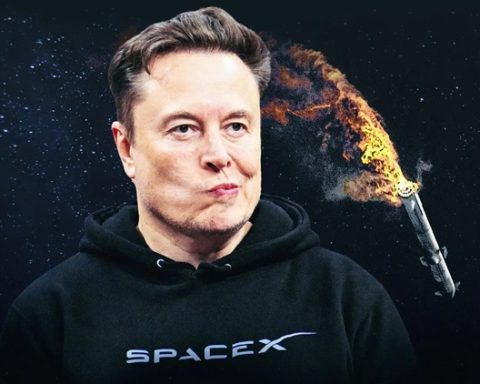
Musk was among the most prominent figures to support the campaign, announcing on X that he would sign the petition. “A petition is underway to reinstate Jensen and I’m signing it too,” he wrote. The campaign has also attracted people identifying themselves as current and former Nvidia employees, shareholders and business partners.
The petition calls on Nvidia’s board to conduct a fair investigation into Huang’s conduct and provide greater transparency about the circumstances surrounding his departure. Several employees have also publicly defended his leadership. Darrell Dai, who identified himself as an Nvidia robotics engineer, said Huang’s vision and the engineering culture he developed were important reasons for remaining at the company. Vartika Singh, who said she had worked at Nvidia for nearly eight years, praised his leadership and personal support during a family medical crisis. “I have never worked for anyone quite like Jensen Huang, and I doubt I ever will,” she wrote on X.
Support for reconsidering Huang’s departure has also emerged among major shareholders. Altimeter Capital chief executive Brad Gerstner and Gavin Baker of Atreides Management urged Nvidia’s board in an open letter to consider all available leadership options, including Huang’s potential return. The investors called for a measured succession process and argued that he should receive a fair hearing before the board makes a permanent appointment.
The Financial Times reported that Huang had discussed a possible return with close associates. One ally told the newspaper that supporters were assembling a “war room” of Silicon Valley executives to lobby for his reinstatement and intended to seek support from the White House. The efforts had Huang’s backing, the person reportedly said.
However, Nvidia said its recruitment process remained at an early stage. “We are in the process of selecting a search firm for the NVIDIA CEO role. We have not formally engaged any potential candidates,” a company spokesperson told CNBC, adding that speculation about individual internal or external candidates was premature.
The board is continuing an independent investigation into the conduct that led to Huang’s resignation. US lawmakers are also preparing investigations into whether the reported affair affected American artificial intelligence interests and national security, as well as the former executive’s close relationship with President Donald Trump and members of his Cabinet.
The controversy has also drawn attention to Megaspeed, a Singapore-based company linked to the allegations. Megaspeed said recent media reports contained claims about its business and supply chain that were not supported by verifiable evidence. It said it had appointed external legal counsel to conduct an internal investigation and that Alice Huang, who has been reported to have had a romantic relationship with Jensen Huang and is alleged to have links to Chinese intelligence, left the company on 30 August 2025 and no longer holds a position there.
The Financial Times separately reported that Nvidia’s board had approached Arm chief executive Rene Haas as a potential successor. Meanwhile, opinions remain divided over whether Huang could return. Jay Goldberg, a senior analyst at Seaport Research Partners, told CNBC that a comeback remained possible if Huang overcame his legal challenges, saying: “If he can get through the legal trouble, I think we’ll have a second act from him.”
Dan Ives, a partner and senior managing director at Yorkville Ives & Co., took a different position, writing that he saw “no chance Jensen comes back to Nvidia as CEO”. He said the petition and public pressure could create further distractions, while interim chief executive Kress faced the task of restoring stability and investor confidence.
Nvidia is scheduled to announce its fiscal third-quarter earnings on Tuesday, placing Kress and the company’s leadership team under scrutiny as investors assess the company’s direction following Huang’s departure.