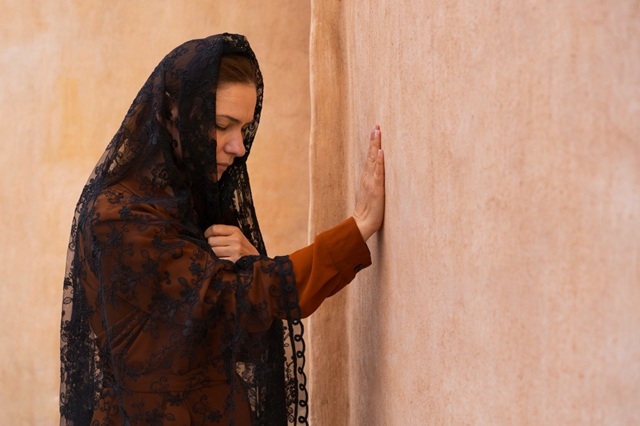
On March 15, the world observes the International Day Against Islamophobia, a day officially recognized by the United Nations to raise awareness about the growing issue of Islamophobia and to promote tolerance, understanding, and respect for all people, regardless of their faith.
Islamophobia is defined as the irrational fear, hatred, or prejudice against Muslims. It is an issue that has been steadily growing across the globe. From verbal abuse to violent attacks, Muslims in different parts of the world face systemic discrimination and persecution based on their religious identity. It is a stark reminder of how deep-rooted prejudice can be often intertwined with political and social tensions.
The UN recognized March 15 as an official day for fighting Islamophobia through a resolution which Pakistan and the OIC jointly initiated during 2022. The historic accomplishment represented more than political advancement since it symbolized international determination to fight Muslim discrimination. Through its leadership role at the UN Pakistan confirmed its commitment to protect religious minorities worldwide particularly Muslims who consistently face targeted discrimination and violence.
Moreover, the decision to dedicate an official day to combat Islamophobia is more than just a symbolic gesture. The worldwide discourse has evolved to view Islamophobia as part of a broader religious intolerance problem. The United Nations has declared this a call to action for global communities to confront Islamophobia directly because Muslim minorities face persecution across various regions alongside increasing Islamophobic incidents in Western societies.
The diplomatic initiatives of Pakistan at both OIC and UN helped advance the resolution which solidified global attention on Islamophobia. The Indian Muslim communities have drawn global attention because they endure physical attacks as well as systemic discriminatory practices. The rise of Hindu nationalism with its discriminatory policies including the Citizenship Amendment Act has made it clear that the world needs better solutions to fight Islamophobia.
At the same time, Pakistan’s efforts also shed light on the Islamophobic attacks that have occurred in the West. During recent years Muslims in the United States, United Kingdom and France have encountered escalating incidents of harassment together with discrimination and violent attacks. The West has experienced a concerning increase of Islamophobic incidents starting with hate crimes that emerged after major geopolitical events like September 11 followed by persistent Muslim targeting in political debates. Two infamous cases of Islamophobic violence include the Christchurch mosque attack in New Zealand and the Paris attacks which served as tragic examples. The initiative to establish March 15 as an anti-Islamophobia day led Pakistan to advance understanding that Islamophobia affects all Muslim communities globally requiring unified protection efforts.
Through its resolution Pakistan exposed the inconsistent Western approach toward free speech and religious respect. Western societies use freedom of expression as a justification to attack Muslim beliefs through improper usage. Muslim communities repeatedly demonstrate their outrage through acts of blasphemy and the publication of offensive cartoons found in Western media since supporters of free speech use it as a pretex to disregard religious beliefs. The recognition of March 15 as a day dedicated to combating Islamophobia sends a message that hate speech and religious discrimination should never be tolerated, regardless of the justification provided.
Furthermore, the institutionalization of this day is a call for governments to enact stronger legal and policy measures against Islamophobia. By making Islamophobia a global concern, Pakistan’s diplomatic push ensures that it is not just a matter of individual instances but a widespread issue that requires coordinated action. The recognition of 15 March also serves as a reminder to states that protecting religious minorities is not just a domestic issue but a global one. Governments are encouraged to develop legal frameworks that prevent hate speech, promote tolerance, and protect religious freedoms for Muslims, whether they are minorities in the West or the majority in Muslim-majority countries.
The Quran teaches us the values of peace, coexistence, and respect for all humanity:
“O mankind, indeed We have created you from male and female and made you peoples and tribes that you may know one another. Indeed, the most noble of you in the sight of God is the most righteous of you. Indeed, God is Knowing and Acquainted” (49:13)
“And hold firmly to the rope of Allah all together and do not become divided. And remember the favor of God upon you when you were enemies and He brought your hearts together, and you became, by His favor, brothers…” (Al-Imran:103).
To combat Islamophobia, several key actions must be taken:
- Education and Awareness: Governments, institutions, and communities must prioritize educational initiatives that promote a deeper understanding of Islam, its teachings, and its peaceful message. Correcting misconceptions about Islam through programs in schools, media, and public campaigns is vital.
- Interfaith Dialogue: Religious leaders and scholars from different faiths should come together to engage in open, respectful dialogues. This fosters mutual respect and counters the hatred that fuels Islamophobia.
- Legal Protections: Strengthening legal frameworks to protect Muslim communities from discrimination and hate crimes is essential. Ensuring that laws are enforced fairly and effectively will provide safety and dignity to those affected by Islamophobic acts.
- Community Empowerment: Muslim communities should be empowered to advocate for themselves and others, sharing their narratives and breaking down stereotypes.
As we observe March 15 each year, it is essential to remember that combating Islamophobia is not only about acknowledging the hate directed at Muslims but about creating an inclusive world where individuals of all faiths and backgrounds are treated with dignity and respect. The recognition of this day remains crucial because it marks only the initial step toward progress. The genuine struggle requires turning recognition into substantial programs which eliminate systematic Muslim discrimination by establishing legal safeguards and educational programs and public outreach initiatives. To achieve a world based on justice and peace we need ongoing collective efforts to combat Islamophobia which should extend beyond religious and political boundaries.