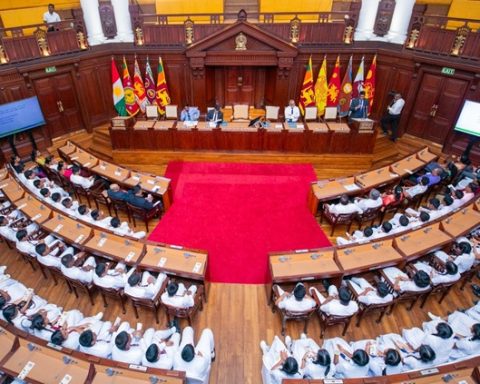

At the Voyage Sri Lanka 2024 Investment Forum, organised by the Export Development Board (EDB), discussions focused on the development of mini marinas within fishery harbours—a move that could revolutionise Sri Lanka’s marine tourism industry. However, this initiative also presents significant challenges and concerns, particularly for the fishing communities that depend on these harbours. This is a very sensitive issue.
The transformation of Mirissa Fishery Harbour into a renowned whale-watching destination stemmed from early efforts to introduce commercial whale watching in Sri Lanka. This initiative was introduced and initiated by me at the Ceylon Fishery Harbours Corporation (CFHC). Originally launched through the Galle Fishery Harbour, the venture had to pivot to Mirissa upon discovering that whales predominantly congregated near its shores. This shift was met with heavy resistance from local fishermen and boat owners, highlighting the tensions between fishery practices and tourism development. Despite many issues, the Mirissa hotel owners and youth eventually recognised this venture as a new source of income after proper public consultation.
The Critical Need for Public Consultation
The development of mini marinas within fishery harbours requires extensive public consultation to address the concerns of local stakeholders. Furthermore, a detailed design for Weligama Bay, prepared in 2018, provides a roadmap for marine tourism projects, including specific engineering designs and infrastructure enhancements. These plans remain with the CFHC and underscore the potential for integrated marine and coastal development under the Blue Economy.
Discussions about mini marinas have predominantly been conducted in English so far. Translating these discussions into Sinhala could potentially ignite significant unrest among fishermen. Open and transparent dialogue will be essential for building consensus and ensuring the smooth implementation of these projects.
Multi-Purpose Fishery Harbours: A Vision for the Future
The concept of Multi-Purpose Fishery Harbours, introduced in 2016, represents a forward-looking solution to the evolving needs of Sri Lanka’s Blue Economy. These harbours aim to integrate fisheries, commercial trading, and marine tourism, offering opportunities to accommodate small passenger and cargo vessels for coastal transportation. Such developments could significantly reduce highway congestion and promote a more sustainable ocean economy.
Building mini marinas also poses significant logistical and operational challenges. It will take years for existing fishery harbours to meet the international standards and facilities required for marinas. Providing regulated amenities for fishermen, upgrading their socio-economic standards, and introducing HACCP protocols could help foster gradual acceptance while ensuring that harbours evolve to meet future demands.
Call for Strategic Coordination
Progress in Sri Lanka’s marine industry requires a departure from fragmented, ad hoc discussions. Instead, a coordinated national strategy is needed, such as the establishment of a National Maritime Centre. This would centralise efforts, streamline regulatory processes, and promote cohesive growth across sectors like marine tourism.
The introduction of a “one-stop shop” for regulatory approvals could simplify processes for new entrants in marine-related industries. Currently, multiple agencies—including the Department of Wildlife, the Coast Guard, the Fisheries Department, the Director General of Merchant Shipping, the CFHC, and the Sri Lanka Tourism Development Authority—are involved in activities such as whale watching, creating significant barriers to entry.
The Role of the Private Sector
The involvement of the private sector is crucial to the success of these initiatives. While private companies are striving to enhance their capabilities, a collective approach facilitated by strategic government intervention through a maritime policy is necessary to achieve sustainable and inclusive growth in the Blue Economy.
A Sustainable Future
To unlock the full potential of Sri Lanka’s marine and coastal industries, long-term strategic planning is essential. The reliance on sporadic forums and uncoordinated efforts must give way to robust policies and a unified vision. A Presidential Task Force for maritime strategies, or a similar mechanism, could provide the necessary leadership and direction to drive this sector forward.
While the development of mini marinas and multi-purpose fishery harbours presents transformative opportunities, it also demands careful planning, stakeholder engagement, and cohesive national policies. With these elements in place, Sri Lanka can position itself as a leader in marine and coastal innovation.