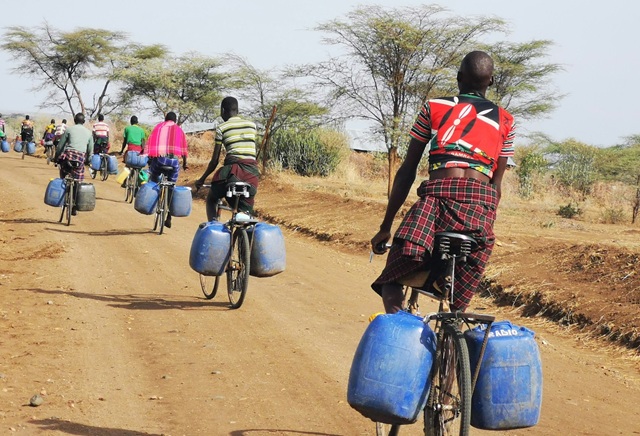
The United Nations World Water Development Report 2026 paints a stark picture of the world’s ongoing struggle to provide safe, accessible, and equitable water for all. Titled Water for All People: Equal Rights and Opportunities, the report emphasizes that access to drinking water, sanitation, and hygiene is not only a fundamental human need but also a crucial cornerstone for gender equality, health, livelihoods, and food security. Yet, the data are sobering: as of 2024, 2.1 billion people still lacked safely managed drinking water, 3.4 billion lacked safely managed sanitation services, and 1.7 billion lacked even basic hygiene services at home.
For women and girls, these statistics translate into daily physical labor, personal risk, and social inequality. In many households, women bear the primary responsibility for fetching water, often from distant or unsafe sources. This task exposes them to potential physical injuries and gender-based violence, particularly in remote or insecure areas. Beyond these dangers, the relentless labor of collecting, rationing, and managing water also contributes to household illness, as caregivers struggle to balance scarce resources with the demands of daily life. The report stresses that these burdens are not inevitable; they are a consequence of systemic gender disparities in water access, governance, and decision-making.
Globally, women remain significantly underrepresented in the governance and management of water systems, from financing to infrastructure development. Their exclusion undermines the equitable distribution of water resources and the ability of communities to meet collective needs. Gender equality, the report emphasizes, is not just a moral imperative—it is a practical necessity for ensuring fair and just access to water for all. Policies and interventions that elevate women’s participation, voice, and leadership in water management have repeatedly proven to improve outcomes for entire communities, demonstrating that equitable governance is key to sustainable water solutions.
The intersection of water access with human rights, housing, and education further compounds gender inequities. Secure land tenure and legal recognition of property rights are essential for households to demand reliable municipal water and sanitation services. Women, however, often face barriers due to discriminatory land and housing practices, leaving them at a disadvantage in securing these basic necessities. In schools and health facilities, inadequate or unsafe water and sanitation infrastructure disproportionately affects girls and women, limiting educational achievement, undermining health, and perpetuating cycles of inequality. Simple measures, such as sex-separated toilets and facilities for menstrual hygiene management, are vital but often absent, highlighting persistent gaps in policy implementation.
The challenge extends into agriculture, where water access and management are often governed by entrenched patriarchal norms. Rural women may have limited rights to irrigation water, livestock watering, or aquaculture resources, and even when they participate in agricultural water management, their contributions are frequently unrecognized. These inequalities restrict women’s economic opportunities, reduce household food security, and can negatively affect girls’ education and overall well-being. The report also notes that demographic changes, such as male outmigration, are shifting gender dynamics in agriculture, often leaving women to manage increasingly complex workloads without adequate support or authority.
Addressing these challenges requires more than technical solutions. Many water, sanitation, and hygiene (WASH) initiatives have historically focused on low-cost infrastructure without fully accounting for who bears the labor burden or the opportunity cost of maintenance. Transformative approaches that confront structural inequalities, promote women’s leadership, and recognize their role as agents of change have proven far more effective. When women are empowered to participate in decision-making and management, communities experience greater water security, improved health outcomes, and enhanced resilience against future crises.
The UN report concludes with a clear message: achieving universal, safe, and equitable water access is inseparable from advancing gender equality. Without deliberate policies and practices to remove barriers, empower women, and address underlying social and economic inequities, the global water crisis will continue to disproportionately affect those already marginalized. The 2.1 billion people still lacking safely managed drinking water are not just numbers—they are evidence of a pressing need to ensure that water, one of humanity’s most essential resources, is shared fairly, safely, and equally.