Escalating conflict between Iran and Israel has sent shockwaves through European energy markets, propelling diesel and jet fuel prices to their highest levels in over a year. Traders are increasingly concerned about potential disruptions to fuel exports from the Middle East, a key supplier to Europe, according to reporting by the Financial Times.
Since hostilities intensified last Friday, market data from Argus reveals a dramatic 60% surge in the premium for diesel over crude oil and a 45% jump in jet fuel. While Brent crude, the international oil benchmark, has climbed about 9% to just under $77 a barrel, refined fuel prices have seen far sharper increases — underlining the strategic vulnerability of Europe’s supply chains.
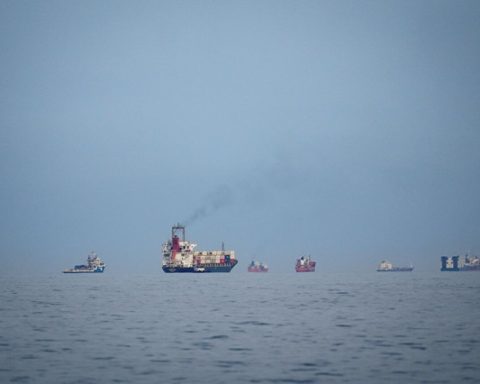
“This is one of the most dramatic week-on-week jumps we’ve seen,” said George Maher-Bonnett, an analyst at Argus. “Suddenly these margins have erupted,” he added, pointing to growing fears that the conflict could jeopardize shipments through the Strait of Hormuz — the vital artery for oil, gas, and refined products from the Gulf region.
Europe’s dependence on Middle Eastern energy imports is particularly stark. In 2024, over 20% of diesel imported by the EU, UK, and Norway originated from Gulf countries such as Saudi Arabia, Kuwait, and the UAE. The region also accounted for more than half of Europe’s jet fuel imports, approximately 13 million tons, according to energy data provider Kpler.
The UK is especially exposed, having sourced around a third of its diesel and nearly two-thirds of its jet fuel from the Gulf last year.
As of Thursday, jet fuel was trading at a premium of nearly $27 per barrel over Brent crude, while diesel stood at nearly $29 per barrel above Brent. Although these price spikes may not hit consumers or airlines immediately due to existing hedging strategies, analysts warn that the ripple effects could materialize in the coming weeks — particularly as summer travel demand peaks.
In contrast, gasoline markets have softened. European gasoline margins have weakened amid sluggish demand both at home and in major export markets like the U.S., Canada, and Nigeria. A key factor in this shift is the opening of Nigeria’s Dangote refinery, which has significantly reduced the country’s reliance on European gasoline. “We have seen export levels [to Nigeria] cut in half,” Maher-Bonnett noted.
While the global oil market remains relatively well supplied and Israel has so far avoided targeting Iran’s oil infrastructure directly, the situation remains volatile. For European fuel markets already navigating a tight supply environment, any further escalation could spell deeper disruption — and even higher prices.