


Introduction I have just finished reading John Rawls’s book A Theory of Justice, and my curiosity got the better of me in wondering how Rawls’s “Veil of Ignorance” would serve the upcoming
Introduction I have just finished reading John Rawls’s book A Theory of Justice, and my curiosity got the better of me in wondering how Rawls’s “Veil of Ignorance” would serve the upcoming
Intelligent airports promise greater efficiency and safer operations, but growing dependence on artificial intelligence raises a fundamental question: can airport authorities retain meaningful control over systems they may neither fully understand nor independently govern? The challenge is to ensure that
The Riyadh airport attacks expose a fundamental asymmetry in the international legal order. The international community has developed an elaborate body of law governing
Investigators in the United Arab Emirates believe the co-pilot of a Flydubai passenger aircraft travelling from Dubai to Tel Aviv intended to crash the
Introduction I have just finished reading John Rawls’s book A Theory of Justice, and my curiosity got the better of me in wondering how Rawls’s “Veil of Ignorance” would serve the upcoming
More
Intelligent airports promise greater efficiency and safer operations, but growing dependence on artificial intelligence raises a fundamental question: can airport authorities retain meaningful control over systems they may neither fully understand nor
More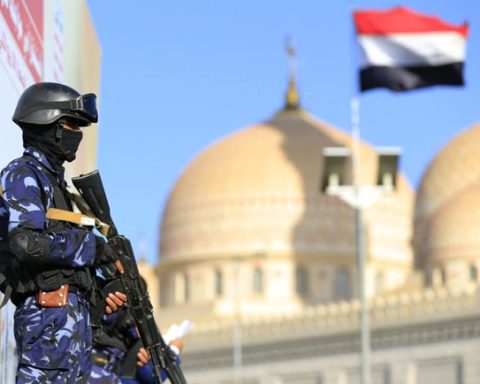
The Riyadh airport attacks expose a fundamental asymmetry in the international legal order. The international community has developed an elaborate body of law governing civil aviation, the conduct of hostilities and the
More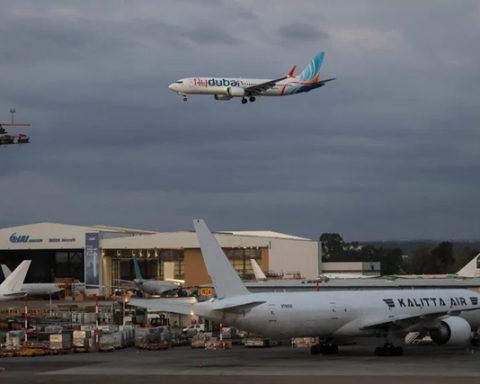
Investigators in the United Arab Emirates believe the co-pilot of a Flydubai passenger aircraft travelling from Dubai to Tel Aviv intended to crash the jet into Israel’s Ben Gurion Airport, drawing inspiration
More
Europe’s latest passenger-rights initiative raises a fundamental question: should airlines merely compensate travellers when things go wrong, or empower them to take control? From rerouting and refunds to family seating, disability access
More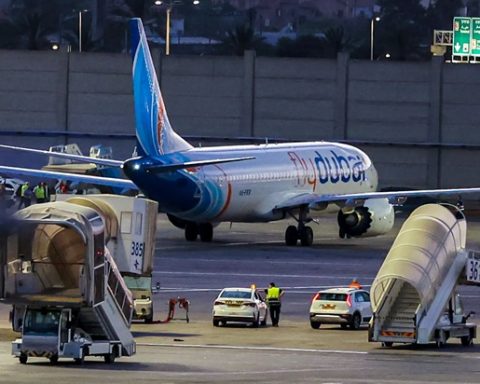
The Flydubai co-pilot accused of trying to hijack a flight to Tel Aviv had spent years expressing misogynistic views online, engaging with the so-called “manosphere” and, according to people familiar with the
More
Israeli Prime Minister Benjamin Netanyahu has ordered a security review of international flights to Israel following an alleged attempt by an Omani co-pilot to bring down a Flydubai aircraft travelling from Dubai
More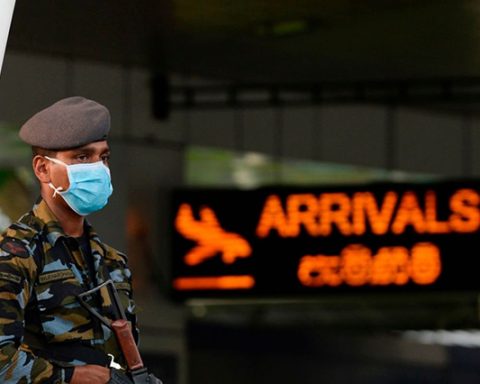
Serious allegations have been made over the tendering of commercial premises at Bandaranaike International Airport (BIA), with claims that national procurement guidelines and financial regulations were breached and that the state could
More The co-pilot allegedly used a cockpit crash axe and attempted to seize control of the Israel-bound aircraft before passengers and crew intervened, while investigators examine his reported extremist history and previous removal
More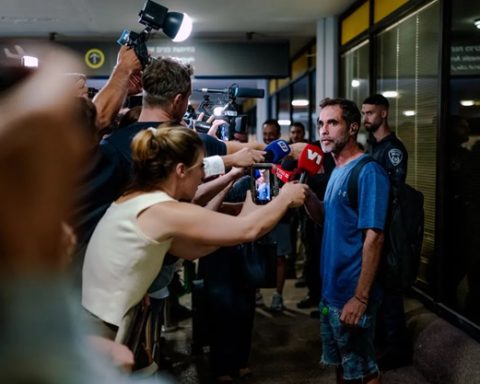
Passengers aboard a flydubai flight to Tel Aviv intervened in the cockpit after the aircraft began losing altitude and one pilot was allegedly stabbed by the other, according to testimonies reported by
More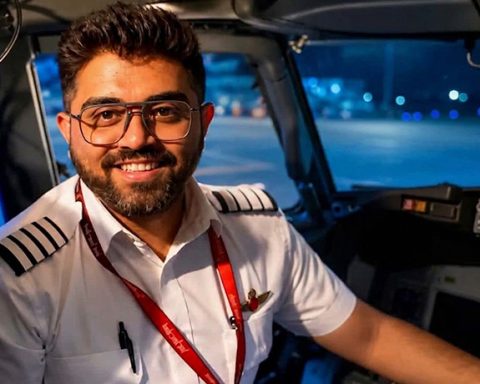
US President Donald Trump has praised Indian flydubai captain Smit Machchhar as a “hero” after the pilot resisted a knife attack by his co-pilot and helped passengers and crew gain access to
More A superior pilot uses his superior judgment to avoid situations which require the use of his superior skill ~ Frank Borman Someone once said: “ The two best pilots can be put
More
SriLankan Airlines improved its underlying operating performance in 2024/25, but engine shortages, 487 flight cancellations, falling passenger revenue and LKR 31.6 billion in finance costs pushed the Group into a LKR 2.74
More
The Moffatt v. Air Canada decision establishes an important principle for the emerging relationship between aviation and artificial intelligence: an airline cannot simply shift responsibility to a chatbot when the system provides
More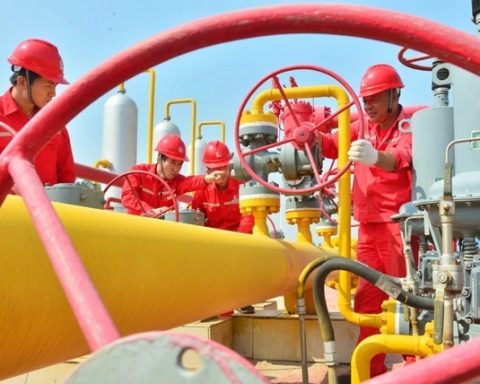
Sri Lanka’s Cabinet has approved the award of a major aviation fuel infrastructure contract to China Petroleum Pipeline Engineering Company Limited, covering the construction of facilities to transport aviation fuel from Muthurajawela
More