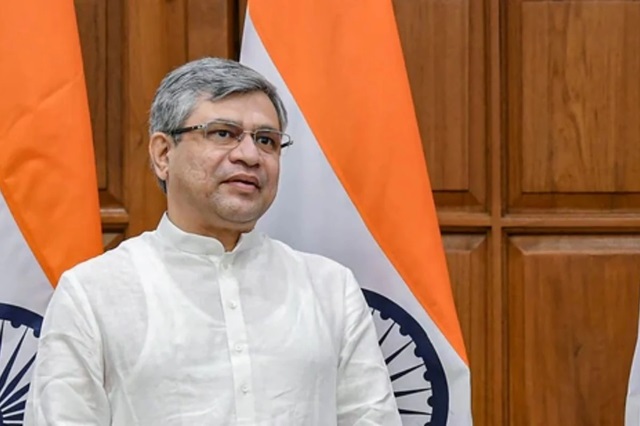
The Indian government is considering stricter regulations on social media, focusing on age-based access and the rising threat of deepfakes, as Union IT Minister Ashwini Vaishnaw revealed on Tuesday. Speaking at a summit, Vaishnaw outlined ongoing discussions with major platforms, including YouTube, Meta, X, and Netflix, to identify appropriate measures that would protect children while ensuring compliance with India’s legal framework and Constitution. The announcement signals a potential shift in India’s approach to online regulation, mirroring moves already seen in countries such as Australia, France, and the United Kingdom.
Vaishnaw highlighted the rapid proliferation of deepfake content as a growing concern for both policymakers and society at large. Deepfakes, synthetic media that can convincingly fabricate images, videos, or audio of individuals, have emerged as a serious threat to public trust, privacy, and security. The minister emphasized that these challenges necessitate a comprehensive regulatory approach, particularly in protecting children and young users who are more vulnerable to manipulative or harmful content. According to Vaishnaw, preliminary talks with social media companies aim to balance innovation with safety, ensuring platforms take active responsibility for monitoring and limiting risky digital material.
The conversation around age-based restrictions is not occurring in isolation. Australia, for instance, recently announced that a law barring children under 16 from creating social media accounts would take effect next month, despite a constitutional challenge by the Digital Freedom Project. The legislation, which came into force last December, reflects a global trend toward imposing minimum age requirements to safeguard minors from online harms. Vaishnaw explicitly cited such international examples, suggesting that India is exploring similar frameworks while tailoring measures to its own legal and cultural context.
Addressing the summit, Vaishnaw noted that India has already incorporated age-based differentiation into its Digital Personal Data Protection (DPDP) legislation, allowing authorities to control the type of content accessible to young users. He described this move as a forward-looking measure and stressed that any additional regulatory steps would likely require broad parliamentary consensus. A parliamentary committee has already examined the issue in detail, Vaishnaw said, underscoring the importance of careful deliberation before implementing stricter restrictions or enforcement mechanisms.
The government’s focus on age verification and content filtering aligns with recommendations from India’s recent Economic Survey. The Survey advocated exploring age-based limits on digital platforms, particularly social media, to curb compulsive use among younger users. It also suggested that platforms be held accountable for implementing robust age-verification mechanisms, alongside default settings that restrict exposure to harmful content. The report recommended child-friendly devices for accessing educational material, equipped with safeguards to limit digital addiction. The Survey explicitly highlighted concerns around social media, gambling apps, auto-play features, and targeted advertising as areas requiring regulatory oversight.
Vaishnaw emphasized that discussions are ongoing with social media companies to determine the most suitable approaches to age-based restrictions and deepfake mitigation. The minister acknowledged the complexity of the issue, noting that platforms must balance operational feasibility, technological capabilities, and compliance with India’s legal framework. While no final decisions have been announced, the dialogue represents a proactive effort by the government to safeguard children in the digital age and curb the potential societal harms posed by unregulated online content.
The minister also highlighted the broader international context, pointing out that countries like France, Australia, and the United Kingdom have implemented or proposed age restrictions and stricter parental consent requirements. Such measures are intended to strengthen online safety and ensure that young users can access digital platforms in a controlled environment. India’s potential move toward similar regulations reflects both global trends and domestic pressures, as policymakers seek to address rising concerns over digital addiction, misinformation, and the manipulation of minors.
In addition to age-based restrictions, Vaishnaw underscored the importance of addressing deepfake content, which continues to escalate rapidly. He noted that tackling deepfakes will require collaboration between the government, technology platforms, and civil society to establish clear regulatory standards. These efforts could include stricter monitoring, content labeling, and removal mechanisms, alongside technological solutions to detect and prevent synthetic media from spreading online. By combining age-based access controls with measures targeting deceptive content, India aims to create a more secure digital ecosystem for children and the broader public.
While the government has not yet formalized specific rules, Vaishnaw’s comments suggest that India is moving toward a regulatory model that balances safety with innovation. The potential measures would complement existing legal frameworks, such as the IT Act and DPDP legislation, and reflect a growing recognition that online platforms carry responsibilities extending beyond business operations. The focus on age-appropriate defaults, parental consent, and content moderation underscores a holistic approach to digital governance, one that prioritizes social welfare and the protection of minors.
The ongoing dialogue with social media companies also signals a willingness on the part of the government to engage with industry stakeholders before implementing binding regulations. By establishing a cooperative framework, authorities hope to identify practical solutions that respect both user rights and societal interests. Vaishnaw emphasized that these conversations are intended to explore the best ways to address age-based access and deepfake risks while maintaining compliance with India’s constitutional provisions and legal standards.
India’s exploration of age-based social media restrictions comes at a time of heightened global awareness around online safety. As digital platforms become increasingly integrated into everyday life, governments worldwide are grappling with the challenges of protecting vulnerable populations, ensuring privacy, and mitigating the spread of harmful content. In this context, Vaishnaw’s announcement marks a significant step in India’s efforts to strengthen regulatory oversight and safeguard the next generation of internet users.
By initiating discussions on age verification, deepfake regulation, and content controls, the Indian government is signaling a proactive stance on digital governance. While concrete policies are still under consideration, the direction is clear: protecting children from online harms and ensuring responsible platform behavior are priorities for the administration. As global and domestic experiences inform India’s approach, the coming months may see substantial changes to how minors access social media, reflecting a broader commitment to online safety and societal well-being.