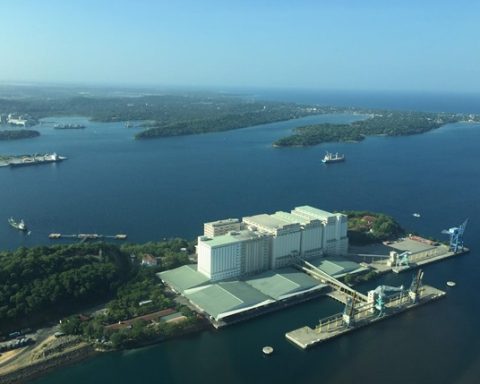
Sri Lanka is exploring new avenues to attract international tourists by turning its underwater heritage into a major draw. Deputy Minister of Tourism Ruwan Ranasinghe recently highlighted the potential of historically significant shipwrecks off the nation’s coast, including what is believed to be the world’s first aircraft carrier. According to Ranasinghe, if properly managed and promoted, these submerged relics could become unique attractions, generating substantial tourism revenue while preserving the country’s cultural legacy.
The Deputy Minister stressed that exploring shipwrecks is a highly specialized field, requiring advanced diving technology and technical expertise. However, he expressed concern that many wrecks have already suffered damage or illegal excavations, indicating the need for stronger protection measures. While these sites fall under archaeological jurisdiction, Ranasinghe noted that better coordination and active management are necessary to safeguard Sri Lanka’s underwater heritage. “We must mobilize and utilize these resources, as well as protect them. That is our responsibility,” he said, emphasizing the dual goals of preservation and revenue generation.
Officials suggest that international promotion of these sites could position Sri Lanka as a premier destination for underwater tourism. If managed responsibly, historic wrecks could attract divers, historians, and adventure travelers from around the world, creating new opportunities for local businesses and service providers connected to tourism. The Deputy Minister argued that leveraging these unique assets would not only diversify the tourism sector but also enhance Sri Lanka’s global reputation as a destination rich in history and adventure.
Meanwhile, Sri Lanka’s Minister of Foreign Affairs, Foreign Employment, and Tourism, Vijitha Herath, is preparing for a European tour starting on the 27th of this month. The itinerary includes Germany, where he will attend a global tourism conference on the 27th and 28th, and Romania, with visits scheduled for March 1st and 2nd. Reports indicate that Minister Herath is expected to receive the World’s Best Tourism Minister award during the conference, highlighting Sri Lanka’s efforts to elevate its presence in the international tourism arena.
Ahead of this high-profile tour, the Minister reportedly met with selected journalists to strengthen networks and request support in building Sri Lanka’s global reputation. Observers, however, have noted a disconnect between such promotional efforts and the structural challenges facing the tourism sector domestically. Critics argue that while the focus on underwater heritage is promising, persistent issues within Sri Lanka’s tourism infrastructure must be addressed to ensure that initiatives are effective and sustainable.
Despite these challenges, the government appears committed to turning submerged shipwrecks into an attraction that can compete on a global stage. Advocates point out that with proper investment in technology, security, and marketing, Sri Lanka could tap into niche tourism markets, including underwater archaeology and adventure diving. By doing so, the country may create new revenue streams, provide jobs for specialized professionals, and protect valuable historical assets from further degradation.
Ranasinghe’s statements underscore a broader push to diversify Sri Lanka’s tourism offerings beyond traditional beach resorts and cultural heritage sites. As the country seeks to rebuild and expand its tourism sector, the strategic promotion of underwater wrecks represents both an economic opportunity and a test of the government’s ability to integrate preservation with commercial development.
Observers caution that success will require coordinated efforts between the tourism ministry, archaeological authorities, local communities, and private operators. Without such collaboration, the risk of exploitation or mismanagement remains high, potentially undermining both the historical value of the sites and the credibility of Sri Lanka’s tourism initiatives.