Indian Prime Minister Narendra Modi used a landmark address to the Knesset to endorse U.S. President Donald Trump’s Gaza peace initiative, deepening India’s alignment with Israel but also exposing fissures within Israeli politics, where opposition leaders staged partial boycotts of the event.
Modi, on a two-day visit to Israel, described the proposed Gaza framework as holding “the promise of a just and durable peace for all the people in the region,” while reiterating India’s long-standing position that peace must address the Palestinian issue. His remarks combined diplomatic outreach with an unequivocal condemnation of Hamas, whose October 7 attack he called a “barbaric terrorist” assault. “We feel your pain, we share your grief,” Modi said, pledging that India stands firmly with Israel and warning that terrorism anywhere threatens peace everywhere, requiring sustained global cooperation.
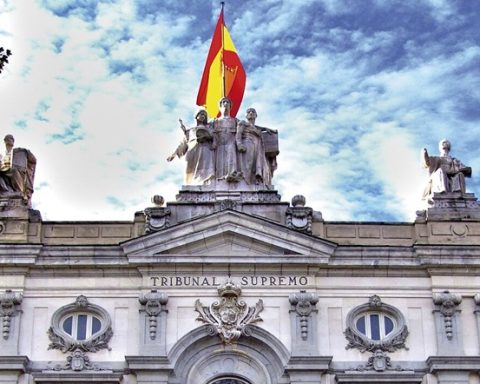
The visit, however, became entangled in Israel’s internal political disputes even before Modi began speaking. Opposition parties debated for days whether to boycott the parliamentary session after Knesset Speaker Amir Ohana chose not to invite Supreme Court President Isaac Amit, breaking with customary protocol for such state occasions. The decision intensified tensions between the governing coalition and critics already wary of judicial and constitutional controversies.
Ultimately, most opposition lawmakers opted for a symbolic protest—attending Modi’s address but leaving the chamber during speeches by Israeli leaders. The National Unity Party limited its boycott to Ohana’s remarks, while the Arab-majority Hadash-Ta’al refused to participate entirely. The choreography underscored how a foreign leader’s visit became a stage for domestic disagreement over democratic norms and institutional respect.
Israeli Prime Minister Benjamin Netanyahu welcomed Modi with exceptional ceremony, personally greeting him upon arrival at Ben-Gurion Airport—an honor recently reserved only for Trump during a previous visit marking a Gaza cease-fire agreement. Netanyahu praised Modi’s solidarity following the October attacks and framed the India-Israel relationship as an expanding strategic alliance rooted in shared security concerns.
“India knows severe terror attacks,” Netanyahu said, arguing that both nations confront similar threats and describing Israel as “a protective wall from barbarism.” He characterized the two countries as democratic strongholds in a volatile region, language reflecting the increasingly close political and defense ties between New Delhi and Jerusalem.
Beyond geopolitics, Modi’s speech emphasized economic cooperation and technological partnership. He highlighted efforts to expand trade, investment flows, and joint infrastructure projects, noting that while bilateral trade has grown significantly, it still falls short of its potential. Modi pointed to collaboration in defense, artificial intelligence, quantum technologies, and digital financial systems, areas where both countries see opportunities to translate political alignment into economic gains.
He also referenced the India-Middle East-Europe Economic Corridor, a proposed network of shipping routes, energy pipelines, and digital connectivity projects intended to link South Asia with Europe through the Gulf and Israel. Though progress has slowed amid regional instability, Modi suggested the initiative remains a cornerstone of long-term economic integration.
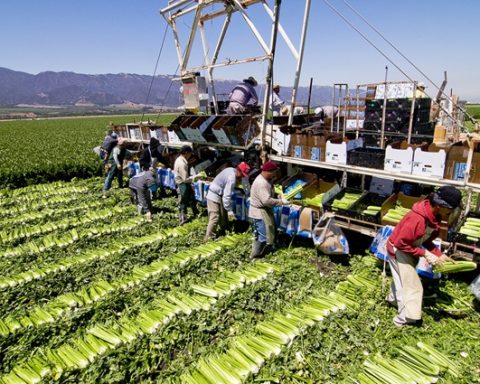
Agricultural cooperation featured prominently in his remarks. Modi credited Israeli expertise with helping transform farming practices across India through dozens of training centers that have collectively trained more than half a million farmers. He also struck a cultural note, recalling that during an earlier visit there were only a few yoga centers in Israel, whereas today they are found in nearly every neighborhood. Inviting more Israelis to visit India, he spoke of the appeal of “holistic wellness” traditions alongside innovation-driven partnerships.
The prime minister further acknowledged the historical presence of Indian Jewish communities and their contributions to Israeli society in fields ranging from science and medicine to military service. That shared heritage, he said, has enriched both nations and helped create a foundation of trust that now underpins deeper strategic collaboration.
Modi’s itinerary included visits to Yad Vashem and participation in an innovation conference at the Waldorf Astoria Jerusalem, followed by an official dinner hosted by the Israeli leadership at the King David Hotel. The program blended commemoration, diplomacy, and economic engagement, reflecting the multidimensional nature of the bilateral relationship.
Yet the political controversy surrounding the Knesset session illustrated the complexity of hosting such a high-profile visit during a period of domestic polarization. For Israel’s government, Modi’s presence signaled international validation and a strengthening of alliances beyond Western partners. For critics, the dispute over parliamentary protocol and selective participation underscored concerns about institutional norms at home.
Modi’s endorsement of Trump’s Gaza proposal also carries broader geopolitical implications, suggesting India’s willingness to play a more visible role in Middle Eastern diplomacy while aligning itself with Israel on counterterrorism and security cooperation. Analysts say the speech highlighted New Delhi’s evolving foreign policy, which increasingly balances traditional support for Palestinian aspirations with pragmatic engagement with Israel’s technology, defense, and investment sectors.