As Iran began striking its Arab neighbors in the Gulf in retaliation for the United States and Israel’s offensive against the Islamic Republic on February 28, images and videos of the attacks quickly circulated across social media platforms. Dramatic footage showed missile and drone impacts, fires in hotels and residential areas caused by aerial interceptions, and thick plumes of smoke rising from critical infrastructure such as ports, refineries, and airports. These visuals, widely reported by media outlets, have shaken the carefully cultivated image of stability in the Gulf, designed to attract business and tourism.
In response, authorities across the region have launched sweeping crackdowns, arresting hundreds of people for sharing images of Iranian attacks, criticizing government handling of the crisis, or mocking the situation. These measures, compiled from official statements and human rights groups by El Pais, reflect a growing effort to control narratives and suppress dissent amid escalating regional tensions.
Qatar has emerged as one of the countries with the most arrests. Police reported last Monday that 313 individuals of various nationalities had been detained for filming and distributing unauthorized videos, spreading false information, rumors, or content intended to provoke public concern. Just four days earlier, authorities announced the arrest of 194 people, though it remains unclear whether these are part of the same total. In addition, a person was detained for publishing offensive and defamatory tweets.
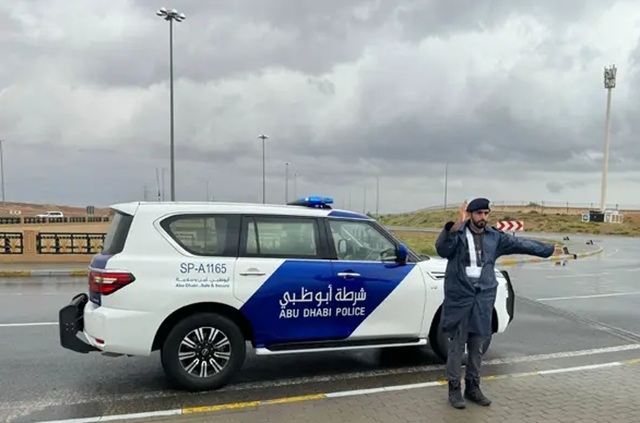
In the United Arab Emirates, Abu Dhabi police reported last Friday the arrest of 45 people from different nationalities for similar offenses. The General Prosecutor’s office has also ordered the detention of 35 individuals, half of them Indian nationals, accused of disseminating videos—both real and artificially generated using artificial intelligence—to “undermine public security,” “disrupt order and stability,” and “glorify” Iranian actions. Among those detained in Dubai are a British citizen who deleted a video from his phone when requested, a French national arrested for sending a photo of the sky to his mother, a Filipino domestic worker photographed near the Burj Al Arab hotel, and a university student sharing a missile video in a family chat, according to Radha Stirling, director of the legal defense group Detained in Dubai.
Kuwait has also seen arrests, with the Ministry of Interior announcing the detention of 16 people, including a Colombian citizen, for mocking the situation, disparaging the military, spreading false information about attacks on residential areas, and illegal filming. Authorities in Kuwait stated that these acts had contributed to public confusion, deception, and fear.
Bahrain presents a particularly volatile case. The Interior Ministry reported 37 arrests at the time of El Pais’s publication, citing similar charges related to videos of Iranian attacks, false information, AI-generated images, and incitement. The country’s situation is complicated by its demographic and sectarian dynamics: a majority of Bahrainis are Shia Muslims, sharing religious ties with Iran and viewing Supreme Leader Ali Khamenei as a spiritual figure, while the ruling monarchy is Sunni.
In the days following the start of the war and Khamenei’s assassination, Bahrain witnessed widespread protests. The Armed Conflict Location & Event Data Project (ACLED) recorded over 100 demonstrations between March 1 and 6, largely in solidarity with Iran, Palestine, and Lebanon, condemning Khamenei’s killing, and demanding the withdrawal of U.S. troops. While most protests were peaceful, there were roadblocks and clashes with police, prompting authorities to ban gatherings in streets and public squares on March 6.
The Bahrain Institute for Rights and Democracy (BIRD) documented 177 arrests tied to protests, social media activity, filming, and espionage charges, according to El Pais. Reports suggest that the public crackdown has intensified in recent days, with authorities increasingly pursuing harsher penalties, including charges of spying for Iran and, in some cases, advocating the death penalty.
The surge of arrests across the Gulf highlights the fragility of the region’s image of security. While governments aim to maintain control and prevent panic, these measures have sparked criticism from human rights organizations and cast doubt on the ability of these nations to balance public order with freedom of expression. The rapid spread of footage and information via social media has amplified the sense of vulnerability, revealing how modern conflicts extend far beyond battlefields into digital spaces where narratives, fear, and dissent can escalate as quickly as missiles.
As Gulf authorities continue to monitor and prosecute social media activity, the arrests underscore the intersection of technology, regional politics, and civil liberties. In countries like Qatar, the UAE, Kuwait, and Bahrain, the enforcement of these restrictions reflects not only a response to immediate security threats but also a broader attempt to control public perception and manage regional tensions, a challenge that shows no sign of abating.
The images of smoke rising from Dubai’s international airport, drones striking strategic locations, and protests in Manama serve as stark reminders that the Gulf’s longstanding image of tranquility is under unprecedented strain. The unfolding situation suggests that the battle for control is no longer limited to missiles and drones but extends into the very narratives that define public understanding, social order, and international perception.