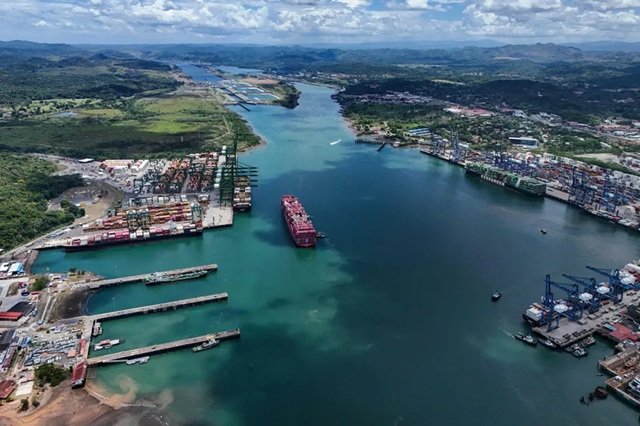
The Panama Canal is reducing the number of ships permitted to pass through the waterway as unusually low rainfall linked to the El Niño climate phenomenon puts pressure on its water resources. The canal operator, ACP, said bookable crossings would be reduced gradually from 36 ships a day to 32 from September.
The decision comes despite the ongoing rainy season and measures already introduced to conserve water and limit the effects of El Niño. ACP said additional preventive steps were now necessary to help ensure the long-term sustainability of canal operations.
The canal relies on a system of locks, and each ship passing through requires large quantities of fresh water, some of which ultimately flows into the sea. The water needed for the operation is drawn from a watershed fed by two lakes. ACP said water levels in those lakes had fallen because of the “negative effects of the El Niño phenomenon”.
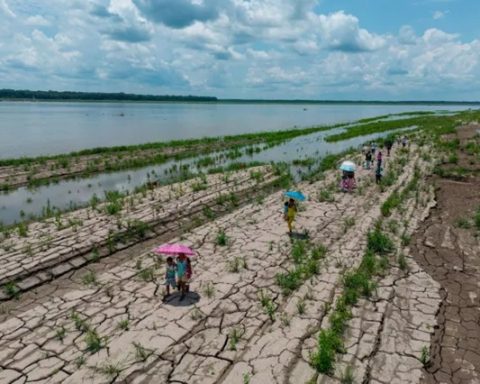
The scale of the rainfall deficit has become increasingly significant. Between May and August, rainfall was around 34 per cent below the historical average for the period, according to the canal authority. The shortfall has added pressure to water supplies at a time when the canal is already taking measures to manage its resources carefully.
The outlook could become more difficult. Forecasts indicate that the region is expected to experience even lower rainfall as a result of El Niño during 2026-2027. With the dry season beginning in January, ACP said careful management of water resources and close monitoring would be necessary to maintain water availability.
The restrictions highlight the vulnerability of a major international shipping route to changes in weather and water availability. The Panama Canal is an approximately 80-kilometre artificial waterway cutting across the isthmus of Panama in Central America and linking the Atlantic and Pacific oceans. By providing a passage between the two oceans, it allows ships to avoid the long and hazardous journey around the southern tip of South America.
At the centre of the problem is El Niño, a naturally occurring climate phenomenon in which surface waters in the eastern and central Pacific near the equator become warmer. The phenomenon can affect winds, atmospheric pressure and rainfall patterns around the world, increasing the risk of extreme weather.
El Niño normally occurs every two to seven years and lasts between nine and 12 months. Its effects on rainfall in Panama are now creating a direct operational challenge for the canal, where water is essential not only for shipping but for the functioning of its lock system.
For the Panama Canal, the immediate response is a reduction in daily ship crossings. But with forecasts pointing to further rainfall shortages, the waterway faces continued pressure to balance international shipping demands with the need to preserve the resources on which its operations depend.