The JVP-led NPP made numerous promises to win the 2024 elections. It promised something for everyone and raised public expectations beyond measure. Some of its campaign pledges remind us of the SLFP-led United Front’s promise of ‘rice from the moon’ in 1970. People voted that coalition into power with a two-thirds majority, only to face severe shortages of rice and other essentials for seven years. Now, pressure is mounting on the JVP/NPP to fulfil its promises, with public resentment apparently spilling onto the streets.
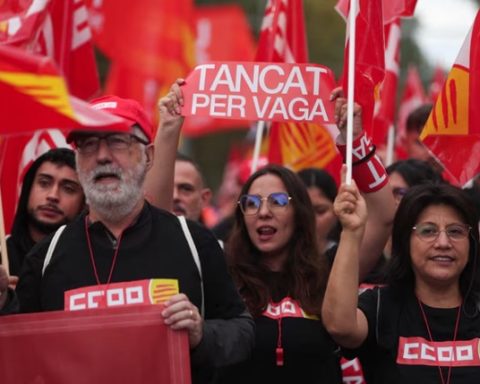
Trade union protests against Budget 2027 are gathering momentum and show signs of snowballing, with several public-sector unions already taking industrial action and others threatening strikes. Trade unions representing engineers, doctors, university workers, teachers, principals, nurses, technical officers, veterinarians, and others are on the warpath, demanding tangible relief.
Agriculture Minister K. D. Lal Kantha told Parliament on Thursday that public sector salary increases granted through the incumbent government’s three Budgets so far had yet to keep pace with the rising cost of living, acknowledging that a further revision was necessary. He said trade unions had long pursued two demands: incorporating allowances into basic salaries and increasing pay in line with the cost of living. While the government addressed the first through successive Budgets, the second remained unfulfilled, with no cost-of-living salary increase included in Budget 2027. The Minister urged trade unions to submit their salary grievances and proposals to the Public Service Salaries and Pensions Commission before 31 Dec., saying that the government would consider appropriate measures after the Commission submitted its recommendations. He defended trade unions’ right to protest against unresolved grievances. This is not what the JVP/NPP promised to win elections in 2024.
The NPP’s election manifesto, A Thriving Nation: A Beautiful Life, has pledged to increase public sector salaries as part of its broader programme to improve living standards, ease the burden of the cost of living and reform public administration. It criticised previous governments for failing to compensate workers adequately while imposing austerity measures and increasing the tax burden. In 2024, Anura Kumara Dissanayake, as the NPP’s presidential candidate, pledged to revise salary scales every six months in line with the cost of living, reflecting the party’s commitment to improving workers’ living standards. The government subsequently introduced a salary revision through Budget 2025, allocating Rs. 110 billion for public sector pay increases, with a further Rs. 300 billion planned over the following 18 months. While the increase marked some progress towards fulfilling the pledge, questions remain over its adequacy in relation to inflation and rising household expenses.
In Chinua Achebe’s No Longer at Ease, we come across a young civil servant, Obi Okonkwo, who recalls a minister having said, in ‘an unguarded, alcoholic moment’, that the trouble is not in taking a bribe but in failing to do what it is given for. The same may be said about election pledges: the trouble lies in failing to deliver on promises made in return for votes. The current predicament of the JVP-NPP government exemplifies the consequences of breaking election promises.
Protests by state employees are the least of the government’s problems. Public-sector salary adjustments, allowances and minor levy reductions do not offset cumulative increases in living costs, but private-sector and self-employed workers face declining purchasing power, precarious work and limited access to affordable credit. State employees make up roughly 15.2% of Sri Lanka’s employed workforce, yet economic recovery and budget measures have not translated into equitable relief for private-sector employees or the self-employed. These workers are the silent majority: 3.8 million private-sector employees and 2.5–2.6 million self-employed (own-account) workers. They are a force to be reckoned with economically, socially and politically. A government that fails to address issues affecting these workers is asking for trouble.
It looks as though the JVP bigwigs have studied Machiavelli more than Marx. They are apparently following Machiavellian advice on promises: ‘The promise given was a necessity of the past; the word broken is a necessity of the present.’ Minister Lal Kantha has reportedly asked protesting state-sector workers to remain patient until the next Budget for cost-of-living relief. Their patience is already wearing thin. There’s the rub.