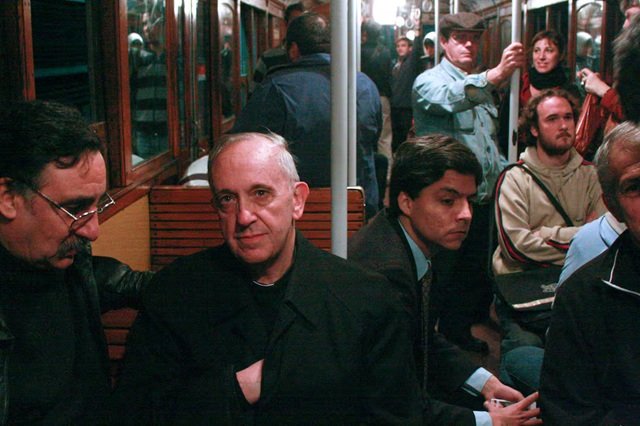
Pope Francis, who died on 21 April 2025, privately recorded what he described as three encounters with the Devil, a series of disturbing experiences that remained with him for decades and shaped his understanding of temptation, authority and the responsibilities of religious leadership. His personal diaries, covering the period from 1992 to August 2024 and published for the first time by the Vatican, also reveal a pontiff troubled by the sexual abuse scandal within the Catholic Church, his own shortcomings and what he regarded as the spiritual dangers of exercising power.
The revelations, reported by Spanish newspaper El País, come from a 128-page collection titled El diario íntimo del papa Francisco (The Intimate Diary of Pope Francis), published in Italy before its release in Spain. Jorge Mario Bergoglio recorded his reflections in a black-covered diary over more than three decades, from his years in Argentina as a Jesuit and archbishop to his final years as head of the Roman Catholic Church.
The most striking passages concern three occasions on which Francis believed he had physically encountered the Devil. In an entry dated 24 January 2021, he recalled seeing a disturbing figure through the window of a car approximately 15 years earlier. He described its eyes as both threatening and seductive. The second encounter occurred during a Mass in the Carmelite chapel in Buenos Aires, when he recalled seeing eyes resembling flames. He wrote that he had escaped by gripping his rosary and praying to the Virgin Mary.
The third experience occurred after his January 2018 visit to Chile, following his growing awareness of the scale of the sexual abuse scandal involving members of the country’s Catholic clergy. Francis described seeing the Devil during a meeting in Rome several days after his return, recalling a triumphant voice declaring: “Now I have achieved everything I wanted.” He wrote that he had been able to leave the meeting and believed that this had freed him.
The Chilean episode appears to have had a particularly profound effect on the Pope. During his visit, Francis initially rejected accusations against Bishop Juan Barros, who had been accused of covering up sexual abuse. His position subsequently changed as he recognised the seriousness of the allegations and concluded that Chilean bishops had failed to provide him with an accurate account of the situation.
In his diary, Francis admitted that he had underestimated the gravity of the scandal. “I did not think it was so serious,” he wrote, describing how the events and his subsequent discussions with journalists had forced him to confront the reality. The experience led him to reflect on what he called the “entrance to hell”.
In June 2018, he recorded an especially intense spiritual experience shortly before going to sleep. He described seeing the entrance to hell and being terrified by what he interpreted as the seductive force of evil. Grabbing his rosary as a weapon, he wrote that prayer had provided the means of protection. He warned himself against approaching what he regarded as the gates of hell, describing the experience as one of overwhelming intensity.
On 21 July 2018, he connected these reflections directly to the abuse scandal, writing: “What shame and what harm it does to the Church.” According to Cardinal Víctor Manuel Fernández, who edited and published the diaries, Francis experienced profound shame and pain over the damage caused by the abuse of children within the Church. The Pope subsequently summoned Chile’s bishops to Rome, where they were required to submit their resignations.
Fernández, a close associate of Francis and head of the Vatican’s Dicastery for the Doctrine of the Faith, was responsible for preparing the diaries for publication with the permission of Pope Leo XIV. He said Francis had shown him the handwritten agenda during a meeting and left the decision about its eventual publication to others. Fernández has presented the material as an important account of the Pope’s private spirituality, particularly for those who questioned his religious convictions or regarded his pontificate primarily as a political project.
But the diaries reveal that Francis’s concerns extended beyond supernatural encounters and institutional scandals. They also document a prolonged spiritual crisis between 2021 and 2022, during which he became increasingly preoccupied with the temptations associated with authority. Fernández interprets the Pope’s references to the Devil as partly reflecting his fear of becoming absorbed by power, worldly influence and the desire to control others.
Francis described this danger as a form of “reductive curiosity”: the temptation to reduce human existence to concerns unrelated to the Kingdom of God and to become preoccupied with power. In an entry dated 30 December 2022, he expressed his desire to distance himself from this temptation and approach the final stage of his life with greater commitment and trust.
According to Fernández, the Pope regarded the exercise of authority within the Vatican and the management of international relationships as potential sources of spiritual corruption. Francis was particularly concerned about the possibility of treating people as instruments of personal influence, comparing the temptation to appointing and dismissing Church officials like a puppeteer manipulating individuals for his own purposes.
Even excessive activity became a source of concern. In November 2018, he wrote that his tendency to believe he could resolve everything independently had brought him close to the entrance of hell. He also complained about the demands placed on him by visitors from Argentina who expected him to resolve even minor personal problems, recognising that his inability to refuse requests was delaying his work.
The diaries also offer an explanation, through Fernández’s account, for one of the persistent mysteries of Francis’s pontificate: his failure to return to Argentina after becoming Pope. The cardinal told Corriere della Sera that Francis had received intelligence indicating that nationalist and neoliberal far-right groups might organise an incident against him during a visit. According to Fernández, the Pope feared that such an episode would damage the Argentine public rather than his own reputation.
Other passages reveal a man deeply troubled by his personal character. Francis repeatedly recorded feelings of pride, envy, arrogance and resentment, including concerns that his own anger had caused suffering among his assistants. He also reflected on an earlier period when he was removed from his position as provincial superior of the Jesuits in Argentina and sent to Córdoba between 1990 and 1992, amid criticism of his authoritarian management style.
The publication offers an unusually intimate account of a religious leader who exercised considerable institutional authority while remaining preoccupied with the possibility of abusing it. It does not present a straightforward account of the papacy’s political or theological decisions. Instead, as the material reported by El País demonstrates, it exposes the private anxieties of a man who understood leadership as a continuing struggle against personal weakness, institutional temptation and the consequences of power.