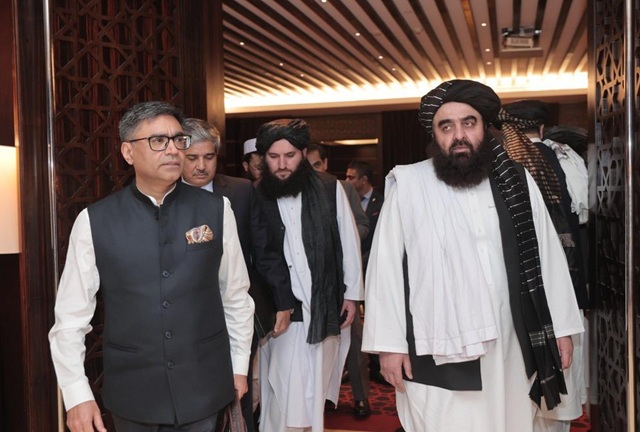
On October 7, 2025, the seventh Moscow Format meeting convened in Moscow, marking a significant step in regional diplomacy on Afghanistan. Attended by representatives from Russia, China, India, Iran, Pakistan, and Central Asian states, the meeting saw Afghanistan’s acting Foreign Minister, Amir Khan Muttaqi, participate fully for the first time, signaling growing regional acceptance of the Taliban-led government. The consultations underscored a unified stance on Afghan sovereignty, opposition to foreign military presence, and the need for collective reconstruction efforts.
Russian Foreign Minister Sergey Lavrov opened the session, emphasizing that “deploying military infrastructure of third countries in Afghanistan is categorically unacceptable.” He praised Kabul’s stabilization efforts and urged shared responsibility for Afghanistan’s reconstruction, positions that were reiterated by New Delhi and China. Muttaqi echoed this, assuring that “Afghan soil will not be used against any state” and reaffirming opposition to foreign bases.
The meeting acquires added significance for India, in view of Muttaqi’s imminent visit to New Delhi (October 9-16) signalling growing international acceptance and the possibility of the reopening of the Afghan Embassy in New Delhi. This engagement would reinforce New Delhi’s pragmatic shift, fostering dialogue with the Taliban to secure regional interests.
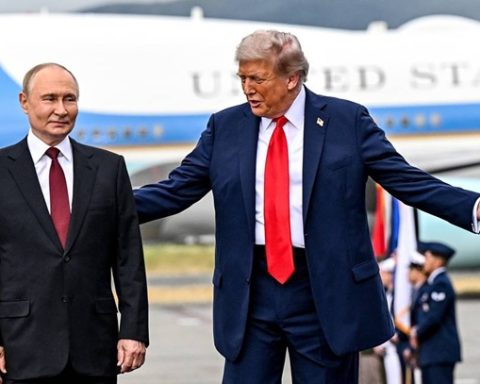
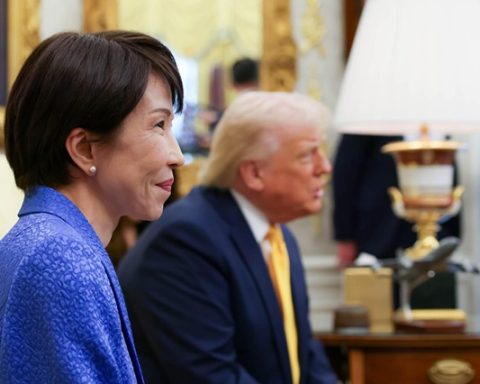
The Moscow Format’s joint statement sharply rebuked renewed United States (US) interest in Afghanistan, particularly President Donald Trump’s September 2025 Truth Social post demanding control of Bagram Airbase. Trump’s claim that the base’s proximity to China’s nuclear infrastructure justified US reoccupation provoked condemnation from all participants. The statement declared that “deploying military infrastructure in Afghanistan or neighboring states undermines regional peace and stability.” Lavrov described the meeting as a “unified rejection of external interference,” while Muttaqi thanked participants for supporting Afghan sovereignty.
Security discussions also focused on countering the Islamic State-Khorasan Province (IS-KP) and other extremist groups. Member states committed to enhanced intelligence-sharing, border management, and technical support for Kabul. Lavrov noted “significant progress” in Afghanistan’s anti-terrorism efforts, particularly in eastern regions. India emphasized that Afghan stability was critical for regional and global security, warning that neglect could fuel cross-border threats.
Economic recovery and humanitarian aid were other central themes. Russia called for Western powers to unfreeze Afghan assets and lift sanctions, arguing that “economic stability underpins regional peace.” Since the Taliban’s 2021 takeover, approximately USD 9 billion in Afghan central bank reserves remain frozen, with USD 7 billion held by the US. In 2022, USD 3.5 billion was allocated to a Swiss-based “Fund for the Afghan People,” yet no disbursements have occurred as of early 2025, even as potential for humanitarian relief has been limited. Kabul welcomed regional trade and investment proposals to counter Western disengagement, with India pledging support for infrastructure and connectivity projects.
The Moscow Format highlights a shift toward “Eurasian ownership” of Afghan affairs, with Russia and China as key diplomatic brokers, and India linking Eurasian cooperation to Indo-Pacific security. The unified rejection of U.S. militarization signals a broader resistance to Western influence in South and Central Asia.
The 2025 consultations demonstrate a maturing regional framework for Afghan stability, rooted in sovereignty and collective self-reliance. While challenges remain – including the durability of this consensus and its ability to deliver inclusive development – the Moscow Format, bolstered by engagements like Muttaqi’s India visit, is reshaping Afghanistan’s diplomatic landscape toward regional solutions over external interventions.