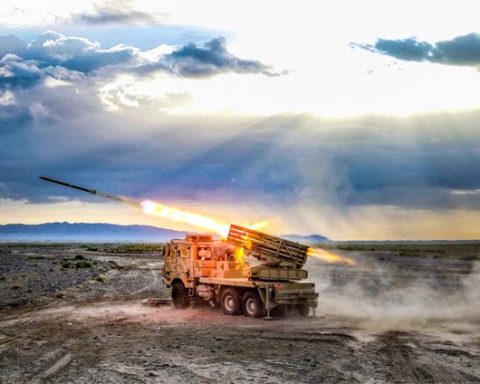
Talks between Afghanistan and Pakistan in Istanbul (October 25-28), mediated by Qatar and Turkey, collapsed amidst strident rhetoric. Pakistan issued a 72-hour ultimatum “for Taliban to summon TTP Shura or we act unilaterally.” Taliban responded, “You declare war, we retaliate – Islamabad is not safe.” Pakistan Defence Minister Khawaja Asif escalated, “If Afghanistan even looks at Islamabad, we will gouge their eyes out.” A Taliban statement noted, “Pakistan came to negotiate, then chose war.”
In the immediate aftermath, Pakistan reactivated its counter-insurgency Operation Azm-e-Istehkam (Phase II) and notified the United Nations of its plans to forcibly repatriate 1.7 million Afghan refugees by December 2025. The Taliban, in turn, deployed additional forces along the Durand Line and issued a fatwa, describing Pakistan’s actions as a “jihad trigger.”
The two countries now stand poised for a conflagration far greater than the periodic abrasions along the border that have been ongoing since the return of the Taliban to power in August 2021.
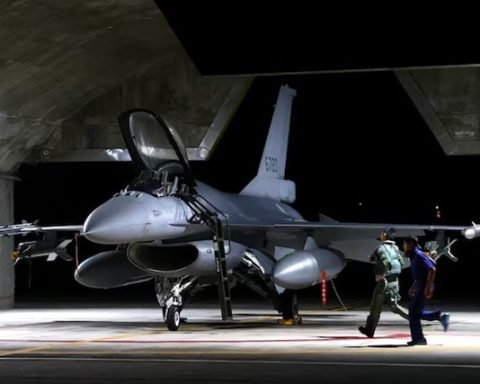
The Istanbul talks were intended to build on a fragile ceasefire brokered in Doha on October 19, after deadly border clashes and Pakistan’s air attacks on Kabul (as well as Khost and Paktika), purportedly targeting TTP leaders, including Amir Noor Wali Mehsud.
The intransigent positions adopted by both sides made the failure of the negotiations inevitable. Significantly, Pakistan demanded, inter alia, that the TTP network in Afghanistan be completely dismantled; that the TTP leadership be ‘summoned’ to Kabul, and more than 47 TTP commanders (of whom a list was provided) be handed over to Pakistan; that all TTP cadres be disarmed and relocated away from border provinces, particularly Kunar and Nangarhar; as well as the immediate return of Afghan refugees. Pakistan officials also blamed India of turning the Taliban into a puppet in its ‘proxy war’ against Islamabad.
The Taliban, on the other hand, insisted that TTP was Pakistan’s “internal problem” and that the group had no presence in Afghanistan, and that the Taliban had no control over the group or its leadership, all of whom were Pakistan nationals. The Taliban also demanded guarantees for the integrity of Afghan airspace, and required Pakistan to stop hosting and supporting US drones violating Afghan borders [the US operates two drone bases in Pakistan, at Shahbaz, Balochistan; and Nur Khan, Rawalpindi]. Pakistan insisted that its ‘bilateral agreement with the United States” was non-negotiable, and could not be discussed at a “third-party forum”. On the return of refugees, the Taliban insisted that haste on this would result in an extraordinary humanitarian crisis.
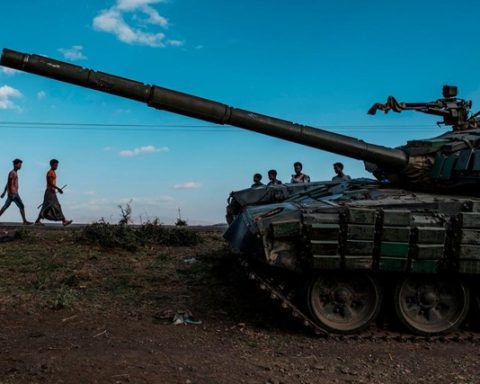
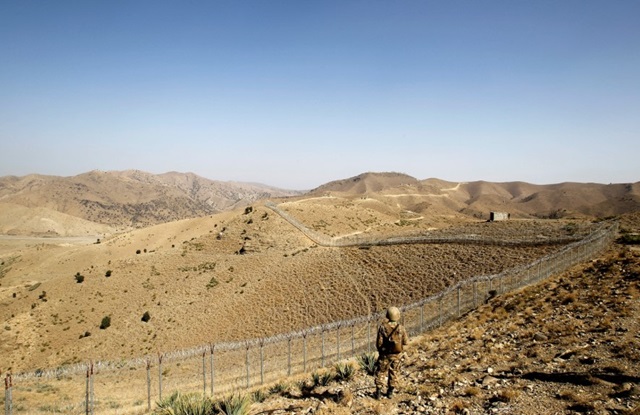
For the moment, a fairly short fuse appears to have been lit along the powder keg of the 2,611-kilometre long AfPak border, reinforcing the reality of the irreconcilable differences over the contested Durand Line that underpin the conflict between Islamabad and Kabul.
Despite the Istanbul fiasco, Turkey and Qatar may push for a revival of the talks, even as US President Trump has renewed offers to resolve the conflict “quickly.” Deep mistrust and irreconcilable differences between the two sides, however, suggest that the stage has been set for an immediate escalation of tensions between Afghanistan and Pakistan.