Aircraft shortages are projected to continue for years due to ongoing supply chain challenges and delivery delays by leading manufacturers Airbus and Boeing, according to a report by Financial Times. Executives from major aircraft leasing companies voiced their concerns during the Airline Economics conference in Dublin, highlighting the far-reaching impacts of these issues.
Steven Udvar-Házy, executive chair of Air Lease, noted that neither Airbus nor Boeing has met their production targets, with delays cascading throughout the supply chain. Peter Barrett, chief executive of SMBC Aviation Capital, warned of years of unpredictability, though he acknowledged some improvement in Airbus’s delivery reliability.
The global aviation industry, already short by 4,000 aircraft due to pandemic-induced disruptions, is not expected to recover fully until the early 2030s, said James Meyler, chief executive of Orix Aviation. The pandemic’s aftermath, combined with surging post-Covid demand for air travel, has placed additional strain on manufacturers struggling with engine delivery problems and labor shortages.
Rising lease rates, driven by increased demand for aircraft, are further complicating the situation. Denis Hogan of Alton Aviation Consultancy estimated that supply chain issues might not be resolved until the end of the decade, with lease rates climbing 10–20% above 2019 levels for new aircraft and even higher for older models.
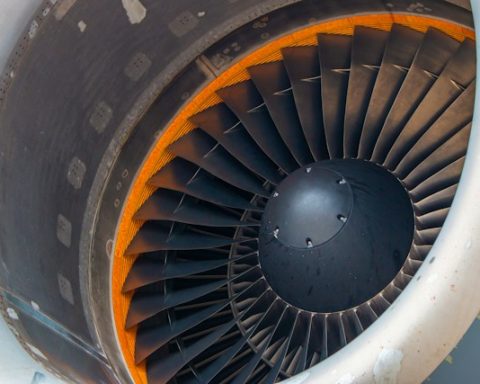
Airline executives expressed frustration over grounded planes due to engine shortages. Wizz Air’s CEO József Váradi described the issues with Pratt & Whitney engines as likely to persist for four to five years. Meanwhile, Udvar-Házy criticized Airbus, Boeing, and engine makers for prematurely ramping up production after the pandemic without stabilizing operations.
Airbus aims to produce 75 units per month of its A320 jets by 2027 but narrowly missed its 2024 delivery target. Boeing, recovering from safety concerns surrounding its 737 Max aircraft, is cautiously increasing production to meet demand. Both manufacturers are facing significant hurdles, with Boeing declining to comment on the situation.
The aviation industry continues to navigate a volatile landscape as it contends with supply chain disruptions, increasing demand, and economic uncertainties that challenge global production targets.