by Our Correspondent in Doha
The IL-76T cargo plane allegedly carrying Bashar al-Assad, the now-former President of the Syrian Arab Republic, has reportedly crashed near the town of Al-Suwayri after disappearing from radar. Assad’s departure from Damascus came amid the total collapse of his regime, marking the end of 61 years of Ba’athist rule and the beginning of a new chapter in Syria’s turbulent history.
The crash follows Assad’s dramatic attempt to flee the country as rebel forces seized control of Damascus. The Syrian Arab Army, once a symbol of regime strength, capitulated under the weight of internal disorganisation and a coordinated rebel offensive. Witness reports suggest the plane, en route to an unknown destination—possibly Russia—displayed erratic flight behaviour before its abrupt disappearance. Assad, a licensed pilot, is speculated to have been at the controls, though the exact circumstances remain unclear. Wreckage near Al-Suwayri is yet to be independently verified.

This incident coincides with an official announcement from the newly formed Syrian Transitional Government, which declared the fall of Assad’s regime and issued its first public statement:
“O free sons of Syria,
After long years of injustice, tyranny and oppression, and after great sacrifices made by the sons and daughters of this dear homeland, we announce today to the great Syrian people and the entire world that the regime of Bashar al-Assad has fallen, and that he has fled the country, leaving behind a legacy of destruction and suffering.
On this historic day, we announce that the forces of the revolution and opposition have taken control of affairs in beloved Syria, and we affirm our commitment to building a free, just and democratic state in which all citizens are equal without discrimination.
We pledge before God and before the people the following:
- Preserving the unity and sovereignty of Syrian territory.
- Protecting all citizens and their property, regardless of their affiliations.
- Working to rebuild the state and its institutions on the foundations of freedom and justice.
- Striving to achieve comprehensive national reconciliation, and returning refugees and displaced persons to their homes in safety and dignity.
- Holding accountable all those who have committed crimes against the Syrian people, in accordance with the law and justice.
We call on all the Syrian people to unite and stand together at this historic stage, and we affirm that the new Syria will not be the monopoly of anyone, but rather a homeland for all. Long live a free and proud Syria.”
— National Transitional Council, Damascus, 8 December 2024
This statement highlights the transitional government’s intention to forge a new path for Syria, grounded in unity, justice, and reconciliation.
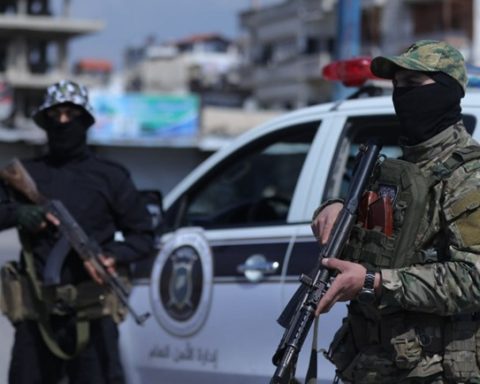
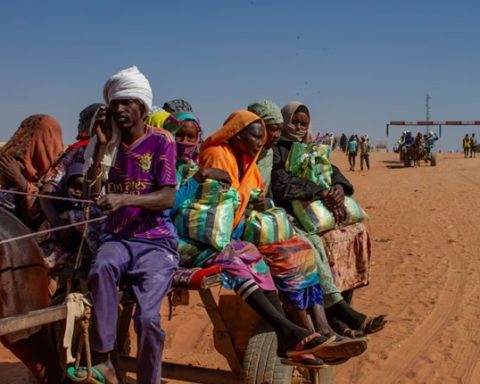
Despite the regime’s collapse, violence continues to plague the country. Clashes between the Syrian National Army (SNA) and the Syrian Democratic Forces (SDF) persist, leaving large portions of the nation in a state of uncertainty. Humanitarian organisations warn of worsening conditions for civilians and an urgent need for international assistance.
The rapid disintegration of the Assad regime has sparked widespread analysis. Many blame systemic failures within the Syrian Arab Army and the regime’s inability to maintain loyalty among its ranks. While external pressures from regional actors such as Turkey and Israel played roles, analysts caution against overlooking the regime’s internal fragility.
The future of Syria is deeply uncertain. With rebel forces and opposition factions holding diverse ideologies and goals, the potential for prolonged instability remains high. Nonetheless, the Syrian Transitional Government has called on citizens to unite and rebuild the nation as a homeland for all, laying the groundwork for a hopeful but challenging future.
Read our editorial on Assad published on November 30.