


Brazil’s position is decisive. As Latin America’s largest economy, a founding BRICS member, and a leading participant in Mercosur, it possesses industrial, scientific, and political capacities that could strengthen independent development across
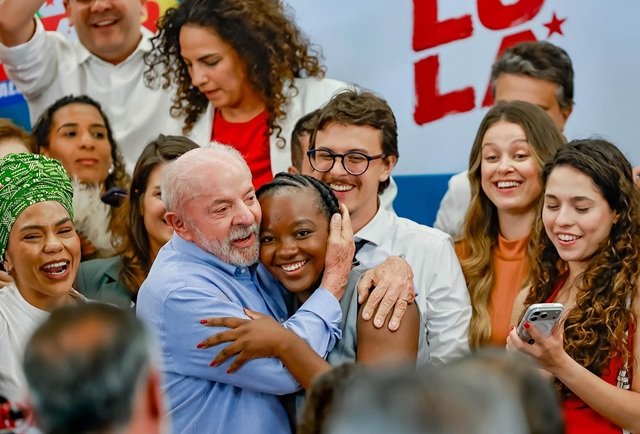
Brazil’s position is decisive. As Latin America’s largest economy, a founding BRICS member, and a leading participant in Mercosur, it possesses industrial, scientific, and political capacities that could strengthen independent development across
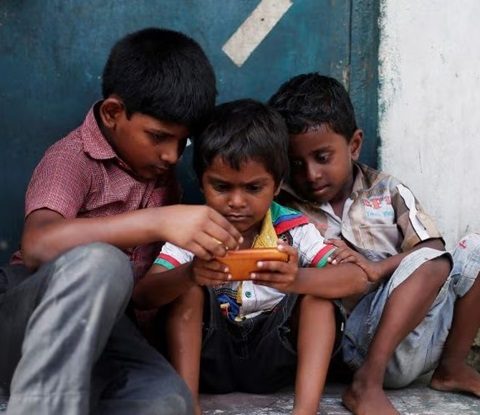
One Nadeem Ahmed Ameen who has a social media handle ‘news aina today’ circulated a fake and fabricated video of Vivek Bhagat, assistant commissioner of police that portrayed sexual conduct by the police officer. Three other women who claimed to
by Durga Velayudham Monks have begun marching from Kandy towards Colombo, where they are expected to arrive on October 15. The question is not
The allegations against former BND chief August Hanning, alongside a former CIA official’s guilty plea in a major fraud case, expose the fragile boundary
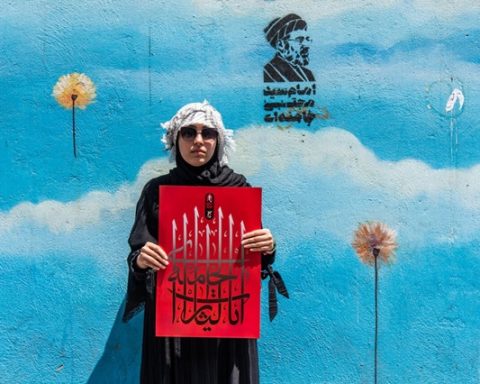
On the sidelines of the United Nations General Assembly in New York, the Islamabad Memorandum of Understanding has returned to the center of high-level diplomatic conversation. Endorsements from Iran, the United States
More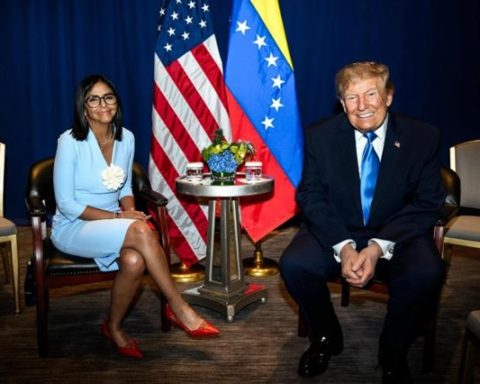
Venezuela’s post-Maduro reality is defined by a stark imbalance of power. The Rodríguez government has avoided direct confrontation with Washington while negotiating access to its vast oil resources and seeking to stabilise
More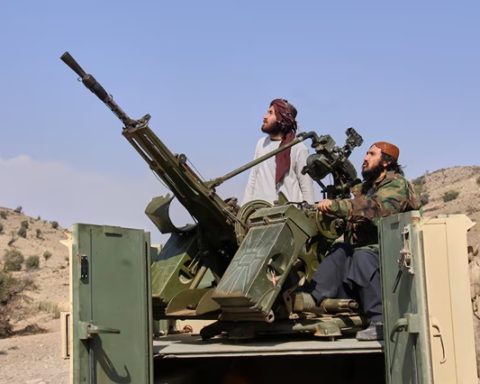
Afghanistan has once again become a major concern for regional counterterrorism. Around 13,000 foreign militants are estimated to be operating in the country, including thousands linked to the TTP, ISKP and al-Qaida.
More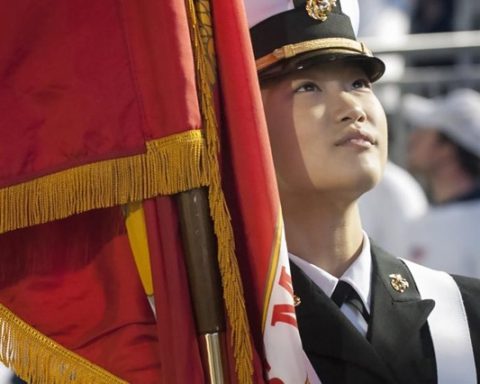
The struggle against deployment continues because for Korea’s social movements the goal is not just about keeping Korean sailors from the line of fire. Our struggle is to end the US’s illegal
More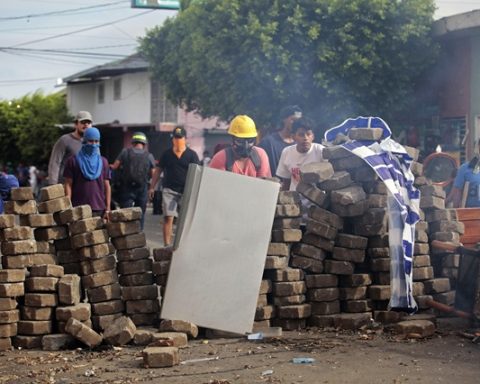
From once-violent streets in Masaya to nationwide consultations on electoral reform, Nicaragua’s government is presenting its political changes as a defence of popular sovereignty against Washington’s growing involvement in Latin American elections.
More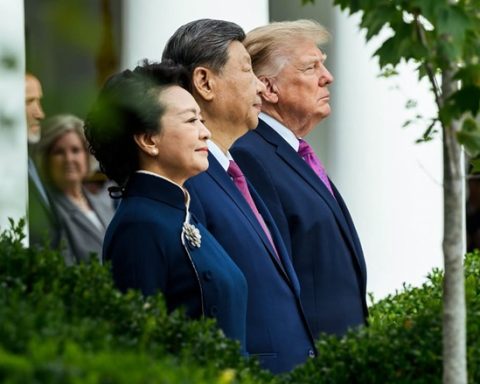
The US-China summit aims to stabilise relations through cooperation on trade, investment, AI safety and people-to-people exchanges, while recognising that strategic competition will continue. New bilateral mechanisms could provide greater certainty for
More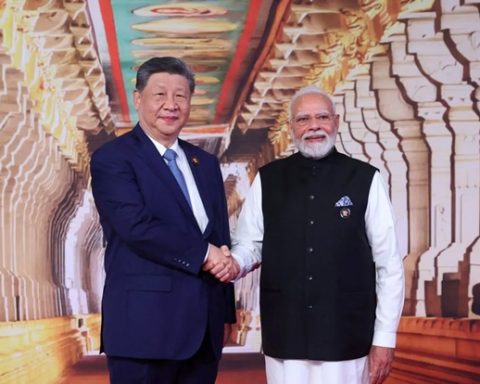
The latest Modi-Xi engagement has revived the rhetoric of improved India-China relations, but the border remains the central contradiction. From the Ladakh crisis and Galwan clashes to subsequent disengagement arrangements and alleged
More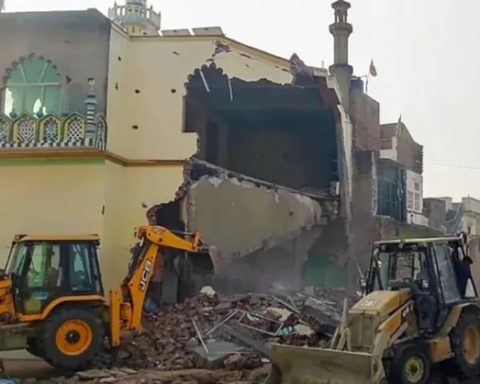
The demolition and eviction of Muslim religious institutions in Rajasthan’s border districts in June 2026 has triggered allegations of selective enforcement and communal targeting. An APCR fact-finding investigation documented notices issued to
More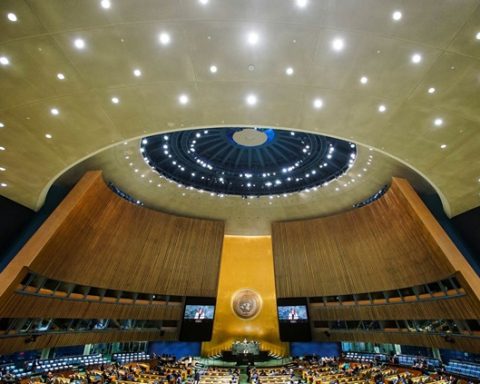
This month, like every year, the United Nations General Assembly takes place. Heads of State take the floor to send messages to the world. These messages are broadcast on TV, transcribed, and
More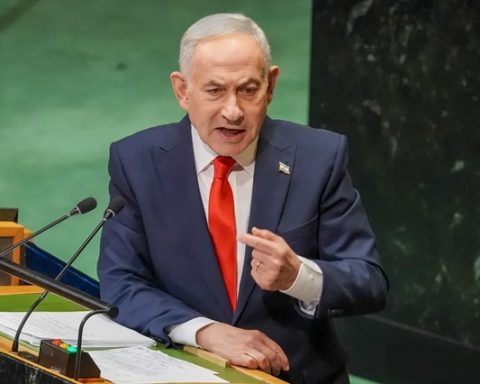
When Benjamin Netanyahu rose to address the United Nations General Assembly on September 24, the rows of empty seats spoke before he did. Diplomats walked out, while others stayed away from the
More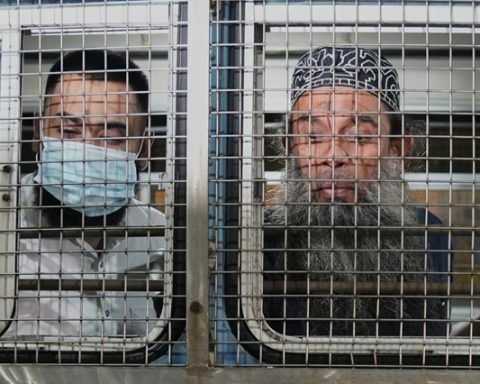
Sri Lanka’s September 22, 2026 Easter Sunday judgment marks a decisive legal reckoning with one of the country’s deadliest terrorist attacks, convicting 15 of 24 defendants after an extensive examination of thousands
More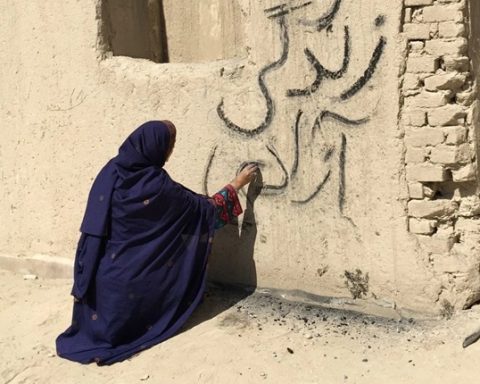
On 22 September 2026, the Balochistan Liberation Front (BLF) – a banned Baloch ethno-nationalist separatist group in Pakistan, waging an insurgency in Balochistan, allegedly from bases in Afghanistan – claimed that its
More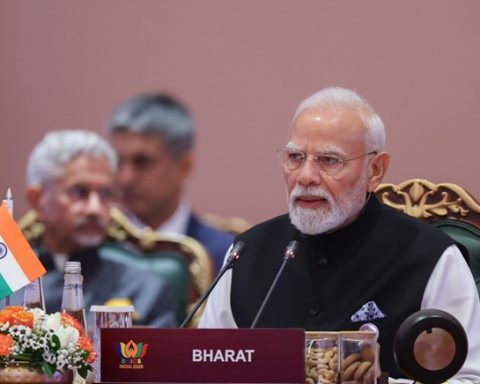
In May 2026, three United Nations Special Rapporteurs issued a warning to the Indian Government, stating that the Election Commission’s Special Intensive Revision (SIR) of the electoral rolls might endanger democratic participation.
More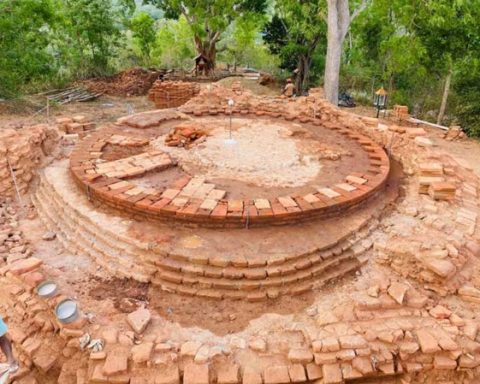
The article examines the controversy surrounding the planting of a purported Sri Maha Bodhi sapling at Vadunnagala, an ancient Buddhist archaeological site in northern Sri Lanka, by politician Sarath Weerasekara. It links
More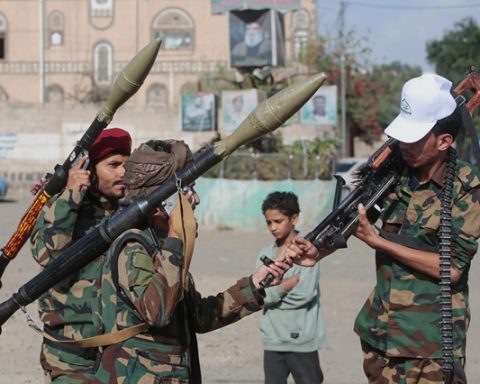
What began as a conflict involving a relatively small Yemeni movement has developed into a confrontation with consequences for Gulf security, global shipping and the broader Middle East. The Houthis’ attacks on
More