


Brazil’s position is decisive. As Latin America’s largest economy, a founding BRICS member, and a leading participant in Mercosur, it possesses industrial, scientific, and political capacities that could strengthen independent development across
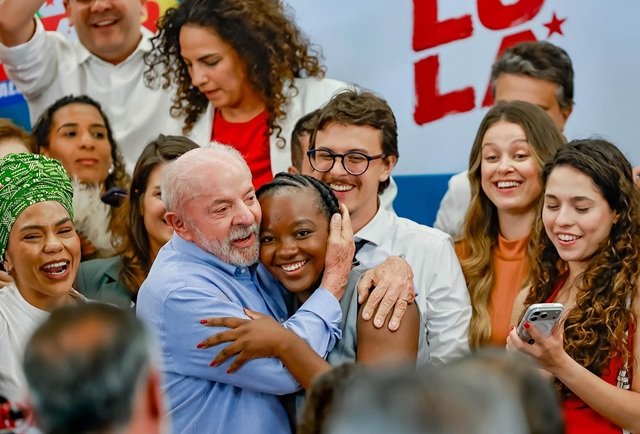
Brazil’s position is decisive. As Latin America’s largest economy, a founding BRICS member, and a leading participant in Mercosur, it possesses industrial, scientific, and political capacities that could strengthen independent development across
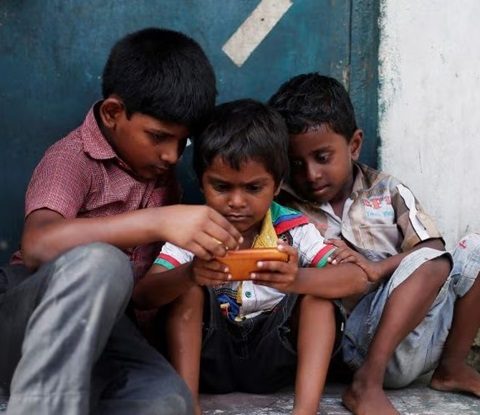
One Nadeem Ahmed Ameen who has a social media handle ‘news aina today’ circulated a fake and fabricated video of Vivek Bhagat, assistant commissioner of police that portrayed sexual conduct by the police officer. Three other women who claimed to
by Durga Velayudham Monks have begun marching from Kandy towards Colombo, where they are expected to arrive on October 15. The question is not
The allegations against former BND chief August Hanning, alongside a former CIA official’s guilty plea in a major fraud case, expose the fragile boundary
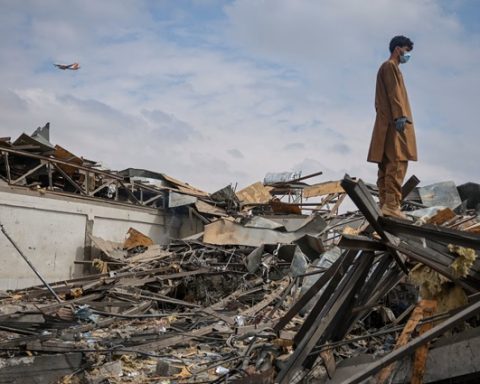
Pakistan’s latest strikes inside Afghanistan mark a shift from years of diplomacy towards direct military deterrence. Islamabad argues that repeated attacks by the Tehrik-e-Taliban Pakistan, alleged Afghan-based sanctuaries and unfulfilled assurances have
More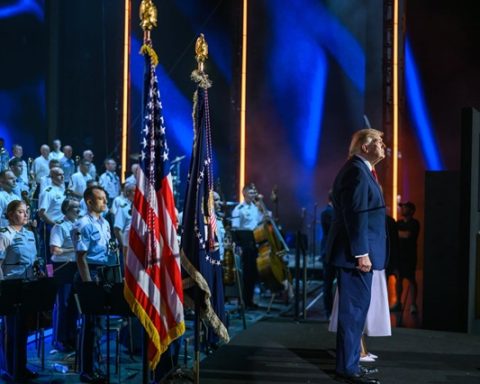
The text argues that allegations of corruption surrounding Donald Trump, his family and members of his administration are finally becoming a major political issue, with recent media coverage and polling suggesting growing
More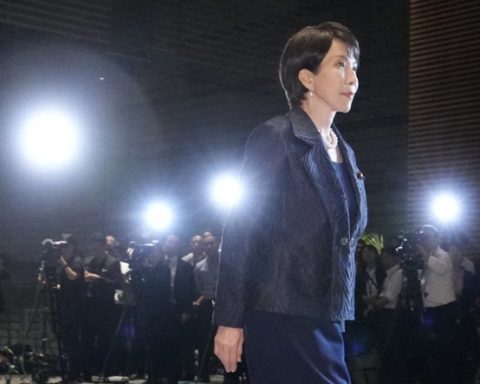
Japanese Prime Minister Sanae Takaichi has pledged stable and constructive relations with China while simultaneously defending a harder security posture that Beijing views as increasingly confrontational. The resulting gap between Tokyo’s diplomatic
More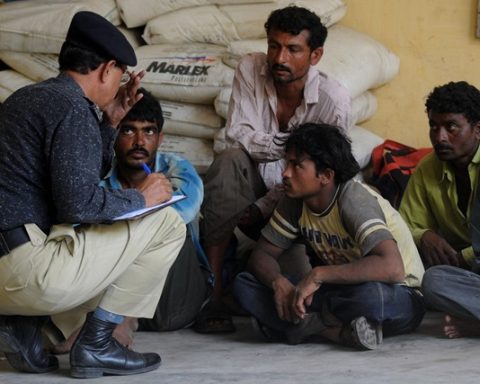
Pakistan is expanding its legal machinery to deal with terrorism, introducing time-bound preventive detention and protected judicial proceedings in Balochistan and Punjab. The reforms seek to address failures in prosecuting militant suspects
More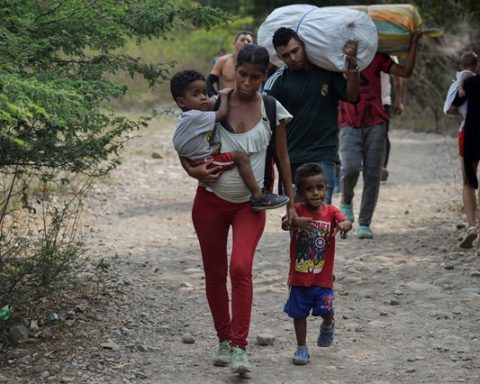
The Path From Survival to Citizenship Access to food, stable housing, healthcare, and socioeconomic security shapes more than daily life. Material insecurity can also limit the time, attention, and stability people need
More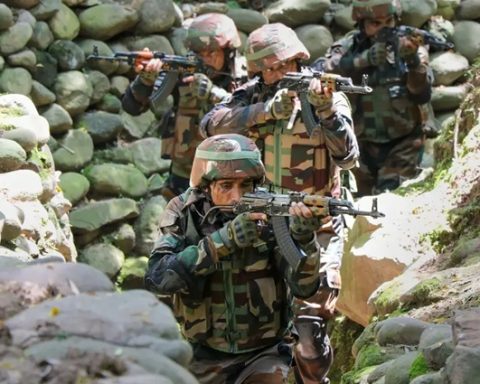
After recording no insurgency-linked fatalities in 2024 and 2025, Arunachal Pradesh’s Changlang district has witnessed a sharp resurgence of militant violence in 2026. Multiple NSCN-K factions and ULFA-I remain active, targeting security
More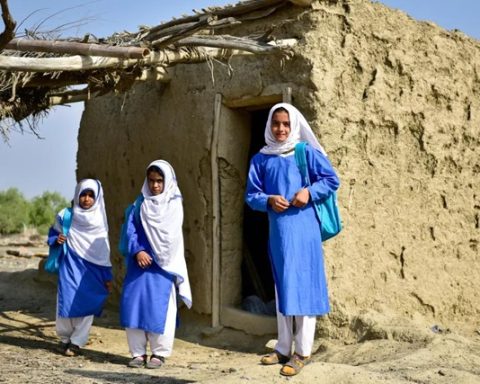
The Baloch National Movement’s Geneva campaign has taken the demand for an independent Balochistan to an international audience, but its political significance should not be confused with institutional recognition or a mandate
More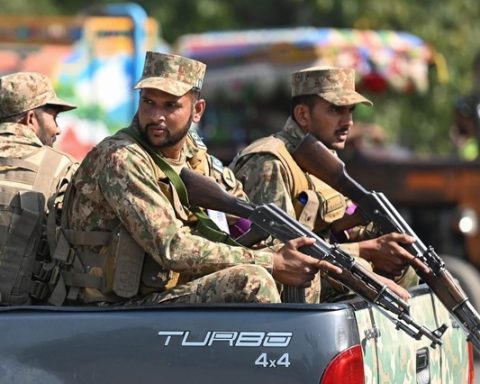
Khyber Pakhtunkhwa is facing its most serious terrorism crisis in more than a decade, with 1,702 terrorism-related fatalities recorded in the first nine months of 2026—the highest for the period since 2009.
More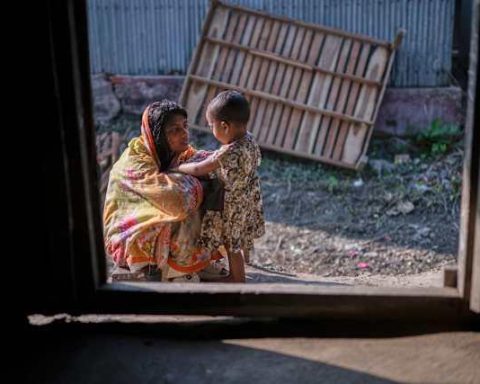
Violence against Bangladesh’s Hindu minority has produced killings, attacks on homes and businesses, damage to temples and continuing fears over security and property. Whatever the motive in individual cases—religious hatred, political vengeance,
More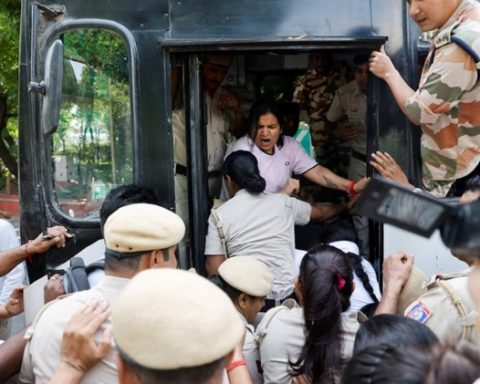
India’s judiciary and Election Commission have survived decades of political conflict, public criticism and institutional pressure. But the campaign against the Chief Election Commissioner over the Special Intensive Revision raises a more
More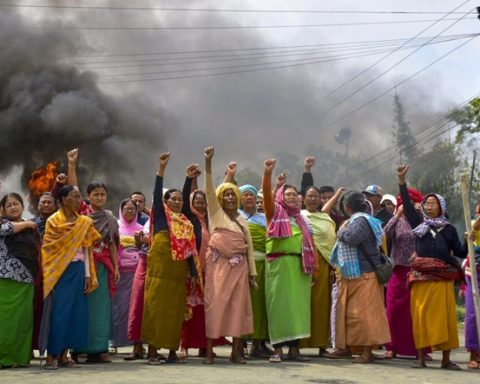
More than three years after ethnic violence erupted in Manipur, civilian security remains deeply fragile despite repeated declarations that peace has been restored. With 306 deaths recorded, 49 people still missing and
More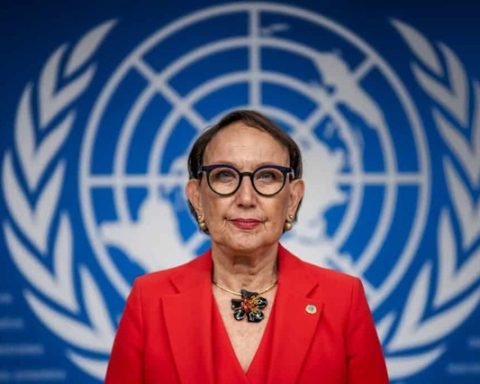
Rebeca Grynspan’s candidacy comes at a moment when the United Nations is struggling with a credibility gap of its own making: a Security Council paralysed by veto power, chronic funding shortfalls, recurring
More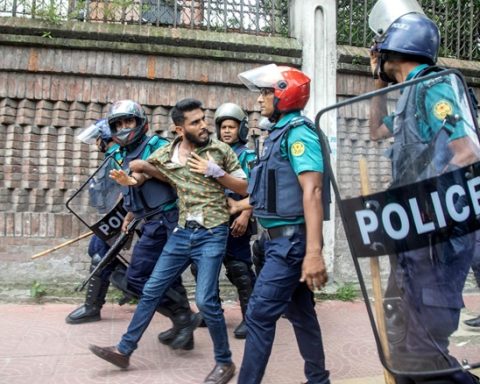
Bangladesh has every right to prosecute those responsible for serious crimes, but justice loses its meaning when political identity becomes a substitute for evidence. Mass arrests, restrictions on peaceful political activity, prolonged
More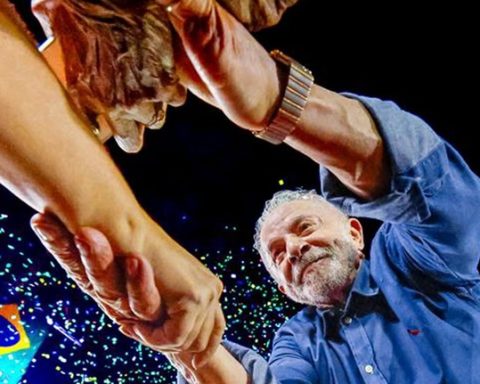
On the last Friday before the first round of Brazil’s presidential elections, the U.S. embassy and consulates in the country remained closed, following a generic order from the State Department regarding ‘security
More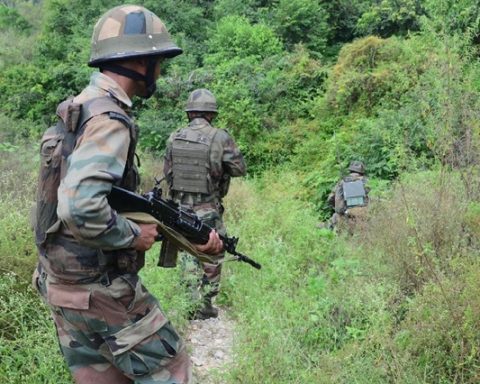
The death of Hashim Musa, a former Pakistan Army Special Services Group commando who joined Lashkar-e-Taiba after retiring from the military, raises uncomfortable questions about the movement of trained military personnel into
More