China’s economy continues to grapple with deflationary pressure as both consumer and producer prices declined in May, intensifying the challenge for Beijing as it seeks to stimulate domestic demand and navigate ongoing trade tensions with the United States.
According to China’s National Bureau of Statistics, the Consumer Price Index (CPI) fell 0.1% year-on-year in May—marking the fourth consecutive month of deflation. More strikingly, the Producer Price Index (PPI), which measures factory-gate prices, plunged 3.3%, the sharpest decline since July 2023.
As reported by the Financial Times, the sustained deflation adds urgency to calls for increased stimulus and deeper economic reforms, particularly amid a property sector slump and weakening consumer confidence.
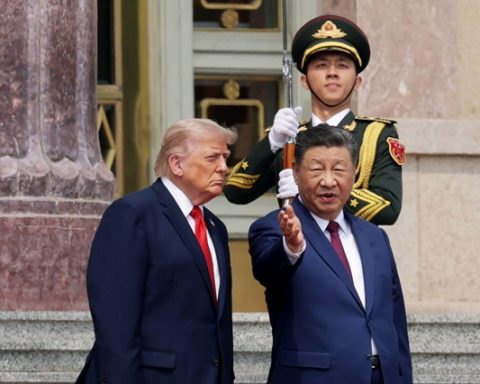
The latest inflation figures come at a pivotal moment in US-China relations. Trade negotiations are set to resume in London on Monday following a phone call between President Donald Trump and President Xi Jinping last week. The renewed talks aim to ease tensions that have further strained China’s already fragile economic recovery.
Zichun Huang, a China economist at Capital Economics, noted that core inflation—which strips out volatile food and energy prices—rose 0.6% in May, the highest in nearly a year. However, he cautioned that “persistent overcapacity will keep China in deflation both this year and next.”
In response to weak economic indicators, the People’s Bank of China has steadily lowered key lending rates, including cuts to mortgage rates in a bid to revive the ailing property sector. Yet, despite these measures, broader demand remains subdued.
The Financial Times also highlighted intensifying competition in several domestic industries, particularly the automotive sector, where aggressive price-cutting campaigns have eroded margins in a fierce battle for market share.
With inflation stuck in negative territory and external pressures mounting, Beijing now faces a delicate balancing act—stimulating demand without triggering financial instability, all while maintaining a firm negotiating stance with Washington.