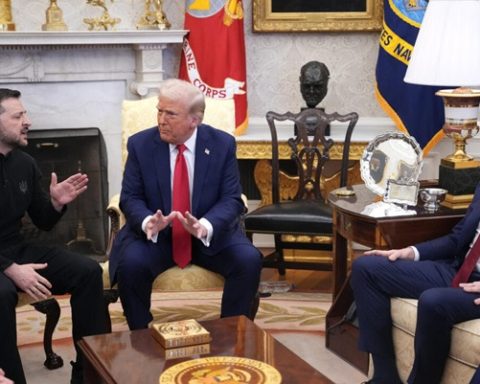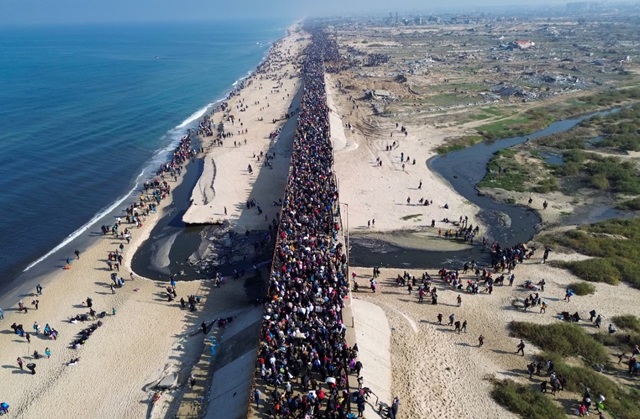
In response to Donald Trump’s controversial proposal for Gaza, European nations are working closely with key Arab states to develop an alternative plan that would secure a more viable future for the enclave. As reported by the Financial Times, Trump’s suggestion to clear Gaza of Palestinians and turn the area into what he termed the “Riviera of the Middle East” has drawn sharp criticism and concern from both Arab and European leaders.
French President Emmanuel Macron emphasized that Europe’s response must be a “smarter” alternative, offering solutions that are both credible and pragmatic. The FT reports that the foreign ministers of Germany, France, the UK, and Italy are scheduled to meet with Arab states at the Munich Security Conference, where the focus will be on developing a “better plan” for Gaza’s future. The US is expected to be involved, though the level of its participation remains unclear.
The core of the European-Arab collaboration lies in ensuring that Gaza is governed by its people, rather than by the US or Israel. European diplomats argue that Palestinians and Arab states must come up with a middle ground for Gaza’s governance. This approach aims to create an administrative structure where the Palestinian Authority (PA) plays a central role while excluding Hamas, which currently controls the strip.
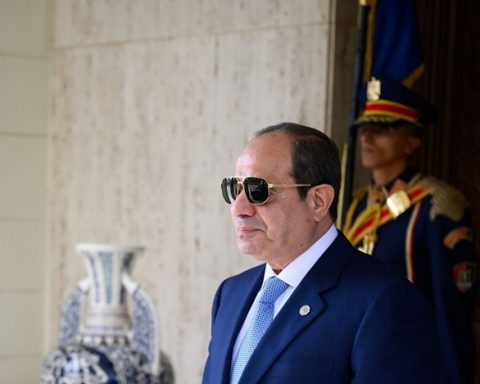
As part of this effort, Egypt is leading regional discussions and has outlined a plan for Gaza’s reconstruction, which could potentially avoid the forced displacement of Gaza’s 2.2 million residents, something that Trump’s plan would mandate. The FT highlights that Egypt, Saudi Arabia, and Jordan are particularly sensitive to the displacement issue, as it could undermine regional stability.
There are still significant hurdles, including Israel’s stance under Prime Minister Netanyahu, who has rejected any Palestinian control over Gaza. Arab and European diplomats worry that Trump’s rhetoric, including his support for Netanyahu’s far-right policies, could make a peaceful resolution even more difficult.
With a summit scheduled for later this month in Riyadh, there is growing urgency in the region, as efforts to rebuild Gaza are complicated by the estimated $30 billion in damages, including significant destruction in housing. The urgency is only heightened by the fragile ceasefire in place, which some fear could unravel if a solid plan for Gaza’s future is not agreed upon.