As European leaders gathered in Paris for a “mini-summit” aimed at addressing the future of Ukraine’s defense, the question of deploying ground troops to the war-torn country emerged as a key point of contention. The United States has requested that European capitals outline the security guarantees they can provide, including the potential contribution of ground troops for a European peacekeeping force. However, many European leaders have expressed uncertainty about committing to such a mission, as the details remain unclear, such as where troops would be stationed, the scope of their mandate, and how they would be protected if faced with Russian aggression. This debate over military intervention is further complicated by the varying priorities of individual European nations, as reported by The Times UK.
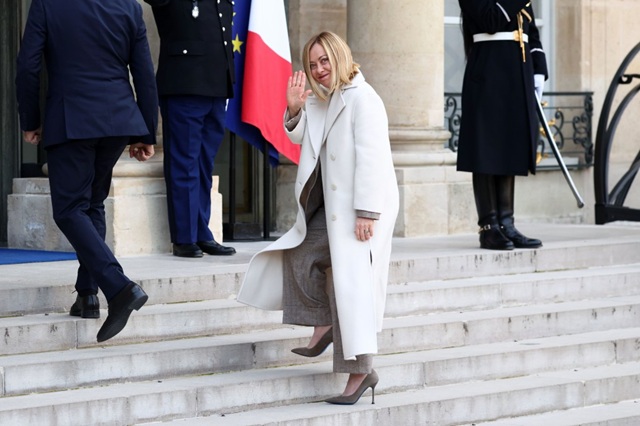
Polish Prime Minister Donald Tusk, who attended the summit, highlighted his country’s reluctance to commit troops to Ukraine, emphasizing the need for careful consideration in these uncertain times. Quoting the motto of his native Gdansk—“Neither timidly nor rashly”—Tusk made it clear that Poland would not deploy soldiers to Ukraine. His stance reflects Poland’s broader focus on strengthening its own national defense and prioritizing its security in light of the ongoing threat from Russia. With so much uncertainty surrounding the proposed peacekeeping mission, including crucial questions about troop deployment and the level of U.S. involvement, many European countries remain cautious. Tusk’s position is shared by other nations, such as Italy, where Prime Minister Giorgia Meloni has similarly argued that any peacekeeping force must be backed by U.S. security guarantees.
This situation has left Europe divided, with countries like the UK and France leaning toward a bolder stance, signaling readiness to contribute troops and increase military spending. In contrast, nations like Spain and Poland, alongside the Baltic states, are more reluctant, balancing their own territorial defense priorities with the need for solidarity with Ukraine. The dynamics within the European Union are being shaped not only by concerns about the war in Ukraine but also by the political calculations of leaders in the context of national elections and shifting power dynamics. Germany’s stance, for example, remains unclear as Chancellor Olaf Scholz described the idea of deploying peacekeeping troops as premature. However, with his political future uncertain, the next German leader may ultimately play a key role in shaping Europe’s response to the ongoing conflict.
The summit also highlighted the broader geopolitical struggle over Europe’s relationship with the U.S. and the continent’s future security framework. While some leaders, like Tusk, believe Europe should remain closely aligned with Washington, others advocate for a more independent approach. How Europe handles the question of peacekeeping troops could set the tone for future cooperation with the U.S. and influence the trajectory of the war in Ukraine.