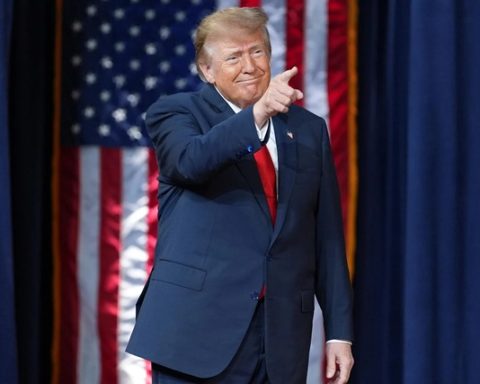
Democratic governments across the world are under strain. Sri Lanka is no exception. Global crises – wars, climate change, economic turbulence, food insecurity, and the risk of new pandemics – test the resilience of political systems already weakened by polarisation and distrust. The election of Donald Trump as President of the United States further deepened this climate of uncertainty, fuelling populist appeals to simplistic solutions and reinforcing tribalist “us versus them” politics.
In Sri Lanka, these global currents resonate powerfully. The arrest of a former president, partisan reactions to judicial processes, and the continuing culture of family- or clique-based political control reflect a deep malaise in governance. The erosion of public trust feeds authoritarian tendencies and undermines democratic institutions.
At the heart of the problem lies the relationship between politicians, the public service, and the electorate.
The Governing Party
Successive Sri Lankan governments have been marred by nepotism, secrecy, and the capture of state machinery by political elites. From the Bandaranaikes to the Rajapaksas, and more recently the Janatha Vimukthi Peramuna (JVP) – led National People’s Power (NPP), the rhetoric of reform has often given way to practices of exclusion and concentration of power. Instead of broad-based consultation, decision-making is tightly controlled, sometimes even concealed. The refusal of the Presidential Secretariat to release basic staffing and expenditure information under the Right to Information Act underscores the persistence of opacity.
The Bureaucracy
The public service, ideally a neutral steward of policy, is increasingly politicised. Public servants are pressured to align with ruling party agendas rather than uphold professionalism, impartiality, and accountability. This weakens their ability to provide “frank and fearless” advice or to act as a safeguard against poor or reckless decision-making. The incident where Sri Lanka’s Prime Minister cited an unvetted Board of Investment brief in Parliament illustrates how blurred the lines between partisan politics and public administration have become.
By contrast, in Australia, the principle of a politically neutral public service remains a cornerstone, even if not immune to pressures. Senior bureaucrats are expected to act as “critical friends” to governments, challenging assumptions and providing vetted, evidence-based advice. While not perfect, this system recognises the importance of protecting decision-makers from unintended consequences.
The Electorate
Citizens, meanwhile, find themselves caught between rising expectations and recurring disappointments. Populist rhetoric promises swift solutions to entrenched economic and social problems, but the delivery often falls short. Scandals – whether involving misuse of public resources, corruption, or opaque appointments – fuel cynicism. For many ordinary Sri Lankans, politics has become synonymous with betrayal, further deepening their disengagement.
The interplay of these three forces – politicians prioritising expediency, bureaucrats under political capture, and a weary electorate – creates fertile ground for corruption, inefficiency, and erosion of democratic norms. As the saying goes, “everything under the sun is political” – but in Sri Lanka, the problem is that politics has become a theatre of self-interest rather than a vehicle for public good.
To be continued