by Our Correspondent in Colombo
Senior political party leaders in Sri Lanka are engaged in discussions on how to bring former President Ranil Wickremesinghe back into Parliament earlier than expected, even as he remains in hospital following his arrest by the Criminal Investigation Department (CID).
At least three members of opposition parties, speaking to the Sri Lanka Guardian on condition of anonymity, said that discussions were underway to explore every possible step to bring Wickremesinghe back to Parliament.
However, ‘We have requested our former President many times to return to Parliament as the country’s democratic situation is deteriorating,’ a senior politician in the United National Party said. ‘But he has always declined, saying his duty has been fulfilled and that he would now focus more on regional and international affairs.’
Arrest and Court Proceedings
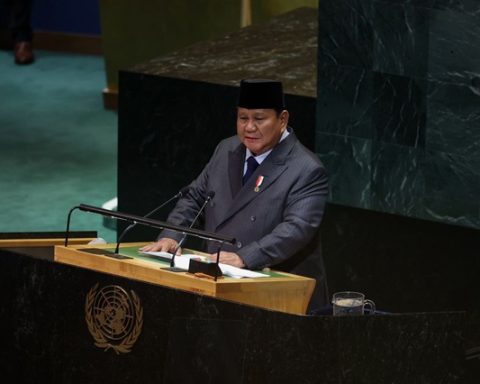
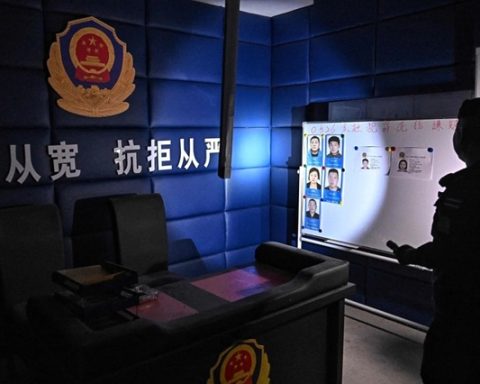
Wickremesinghe was arrested by the CID following a complaint lodged with the President’s office, alleging misuse of public funds during his return to Sri Lanka after attending an official visit to Cuba and delivering an address at the United Nations.
He was subsequently produced before court, where proceedings were disrupted by a series of technical and logistical issues, including a power cut in the courtroom. The court ordered him to be remanded until 26 August.
However, only hours later, Wickremesinghe was transferred first to the prison hospital and then to Colombo National Hospital after falling seriously ill. Medical staff have since confirmed that his condition has stabilised.
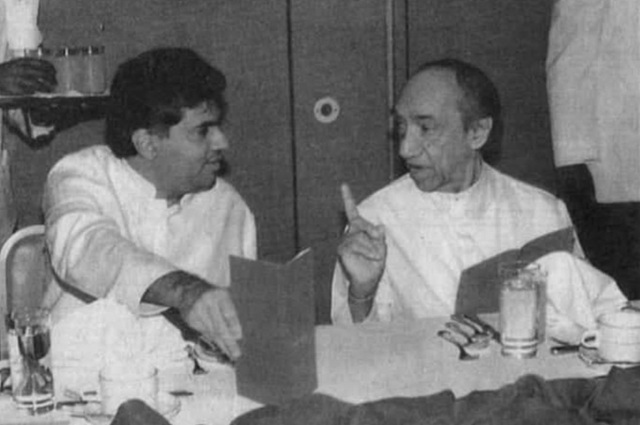
Who is Ranil Wickremesinghe?
Ranil Wickremesinghe, the long-standing leader of the United National Party (UNP), has been a dominant figure in Sri Lankan politics for more than four decades. Entering Parliament in 1977, he went on to serve as Prime Minister on six occasions, the highest number in the country’s history.
In July 2022, Wickremesinghe was elected President by Parliament after the resignation of Gotabaya Rajapaksa during an unprecedented period of economic and political crisis. At the time, Sri Lanka was grappling with its worst financial collapse since independence, marked by shortages of fuel, food, and medicine.
During his presidency, Wickremesinghe was credited with taking decisive steps to stabilise the economy. He initiated negotiations with the International Monetary Fund (IMF), secured emergency financial support, and introduced fiscal reforms aimed at restoring international confidence. His leadership was widely acknowledged as instrumental in steering Sri Lanka out of bankruptcy and laying the groundwork for economic recovery.
In 2024, Wickremesinghe contested the presidential election but was defeated. Following his loss, he indicated that he would shift his focus away from frontline politics and place greater emphasis on regional and international issues.