A new whistleblower complaint has accused Meta, formerly known as Facebook, of going to extreme lengths—including the development of a censorship system—to gain access to China’s lucrative market. According to the complaint, Meta was willing to allow the Chinese Communist Party (CCP) to oversee social media content in China and suppress political dissent to secure regulatory approval.
The allegations, brought forward by former Meta global policy director Sarah Wynn-Williams, claim that company executives even considered sharing user data with China, a move that would have significantly compromised the privacy and security of millions of users. According to a report from The Washington Post, which reviewed the 78-page complaint, the company’s leadership proposed installing a “chief editor” with the power to remove content and shut down the platform entirely in times of social unrest. The complaint also details how Meta executives allegedly faced pressure from Chinese officials to store Chinese user data in local data centers, which could have made it easier for the CCP to access private information.
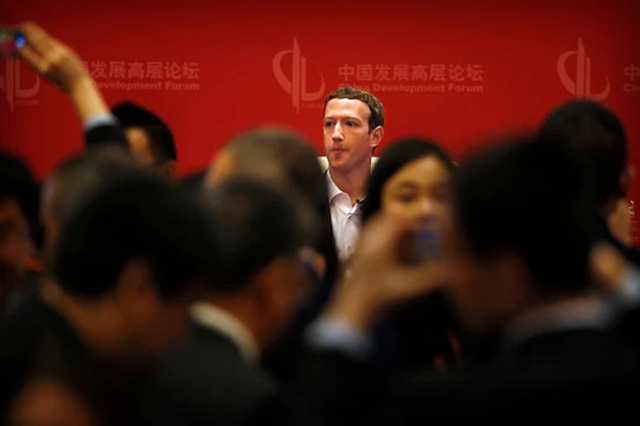
One particularly damning accusation states that Meta CEO Mark Zuckerberg personally agreed to crack down on the account of a Chinese dissident living in the United States after a high-ranking Chinese official pushed for action. The complaint further alleges that Meta executives misled American regulators and investors about their efforts to enter the Chinese market.
The internal push to bring Facebook to China reportedly began in 2014 under the codename “Project Aldrin.” The initiative involved a team tasked with tailoring the platform to meet the CCP’s censorship demands, including a system to automatically detect and remove content deemed inappropriate by Chinese authorities. Additionally, Meta officials allegedly offered to collaborate with Chinese embassies worldwide to remove content critical of Beijing.
Despite years of negotiations and strategic maneuvering, Meta ultimately abandoned its China ambitions in 2019, coinciding with escalating tensions between the Trump administration and Beijing. However, the whistleblower complaint suggests that while Meta now presents itself as an opponent of China’s approach to the internet, it was once willing to comply with the very policies it now criticizes. The company has since funded anti-China campaigns, including efforts to discredit TikTok, the Chinese-owned social media platform that has emerged as one of Meta’s fiercest competitors.
Meta spokesperson Andy Stone acknowledged the company’s past interest in China but stated that the company ultimately decided against pursuing operations in the country. “This was widely reported beginning a decade ago,” Stone said. “We ultimately opted not to go through with the ideas we’d explored, which Mark Zuckerberg announced in 2019.”
Wynn-Williams, who was fired from Meta in 2017, has also penned a memoir, Careless People: A Cautionary Tale of Power, Greed, and Lost Idealism, which is set to be released this week. In her book, she elaborates on Meta’s internal policies and dealings with China, arguing that the public deserves to know the full extent of the company’s actions.