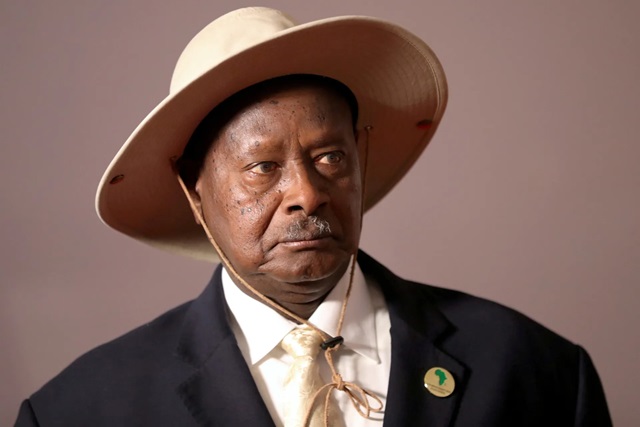
When Yoweri Museveni marched into Kampala in 1986 after a brutal bush war, he presented himself as the antidote to Africa’s curse of strongmen who clung to power. “The problem of Africa in general and Uganda in particular is not the people but leaders who want to overstay in power,” he declared at the dawn of his rule. Nearly four decades later, that statement hangs over Uganda like an accusation. At 81, Museveni is seeking a seventh term in office, presiding over a country where most citizens have never known another leader and where elections now unfold amid repression, arrests and deep public cynicism.
Museveni’s early years inspired hope at home and praise abroad. A former rebel with intellectual credentials and regional vision, he promised stability after years of coups and bloodshed. His government earned recognition for reducing HIV/AIDS infections and for defeating the Lord’s Resistance Army, whose insurgency terrorised northern Uganda for nearly two decades. Western governments embraced him as a reliable ally, impressed by economic reforms, a growing economy and his willingness to deploy Ugandan troops to regional conflicts in Somalia and South Sudan. Uganda also gained plaudits for hosting large numbers of refugees, burnishing Museveni’s international standing.
Yet as the economy expanded, so did allegations of corruption and authoritarianism. Critics say graft hollowed out state institutions and redirected public wealth to a narrow elite. Parliamentary reports documented how state enterprises were privatised at knockdown prices, often benefiting Museveni’s relatives and loyalists, with proceeds allegedly embezzled. Kristof Titeca, a professor at the University of Antwerp, describes corruption as central to Museveni’s rule from its earliest days. Museveni has acknowledged corruption exists but insists offenders are prosecuted, a claim his opponents dismiss as selective enforcement.
The political system Museveni once promised to transform has steadily narrowed. He has won all six presidential elections he has contested, each marred by opposition complaints of intimidation, fraud and violence. In 2005, parliament scrapped presidential term limits, and later removed the age cap, clearing the way for Museveni to rule indefinitely. Security forces have repeatedly crushed protests, and critics who challenge election results face arrest or exile. Museveni has brushed off Western criticism with characteristic defiance, once saying that losing international confidence was a “compliment” because outsiders were “habitually wrong.”
As dissent at home grew, Museveni diversified his alliances abroad. Alongside Western partners, he cultivated ties with China, Russia, Iran and Gulf states, reducing reliance on any single bloc. The discovery of commercially viable oil reserves further strengthened his hand, leading to major deals with TotalEnergies and China’s CNOOC to build an export pipeline. For supporters, this cemented Uganda’s future prosperity. For critics, it raised fears that oil wealth would entrench patronage and repression even further.
The current election has unfolded in a markedly harsher climate. Days before voting, the government ordered two prominent local rights groups to halt operations, accusing them of activities “prejudicial” to national security. The United Nations Human Rights Office has warned that the poll is taking place amid intimidation and repression, citing arbitrary detentions, abductions and the use of live ammunition against peaceful rallies. Hundreds of opposition supporters have been detained, and journalists and activists report harassment and torture. The government says security forces are responding to lawless behaviour by opposition supporters, a justification rights groups reject.
At the centre of the opposition challenge is Bobi Wine, the 43-year-old pop star turned politician whose real name is Robert Kyagulanyi. Wine has built his political identity on uncompromising opposition to what he calls Museveni’s dictatorship, drawing massive support from Uganda’s young and unemployed majority. He says he has been beaten, tasered and attacked with teargas and pepper spray while campaigning, experiences that have become routine in his political life. In the 2021 election, more than 50 of his supporters were killed during the campaign, and he was repeatedly detained, eventually wearing a bulletproof vest and helmet at rallies.
Wine is not widely expected to defeat Museveni, but his rise reflects deep frustration among young Ugandans shut out of economic opportunity. More than 73 percent of the population is under 30, and youth unemployment and underemployment remain stubbornly high. Wine’s message of restoring the rule of law, fighting corruption and expanding jobs resonates with many, though critics say his policy proposals lack detail. He has also faced criticism from LGBTQ activists for not forcefully opposing Uganda’s draconian anti-gay legislation, a sensitive issue in a conservative society where Museveni has portrayed Wine as an agent of foreign liberal agendas.
Beyond the immediate contest, the election has sharpened anxiety about what comes next. Museveni is visibly frailer, and succession looms as the defining question of Uganda’s politics. Attention has focused on his son, Muhoozi Kainerugaba, the army chief whose rapid rise has alarmed critics who see the outlines of a dynastic handover. Museveni denies grooming his son to succeed him, but veteran politicians who once fought alongside him have been sidelined, and Muhoozi’s public political musings have only fuelled speculation.
Analysts say the vote is less about who wins than about the mood it reveals. A commanding victory could embolden Museveni to tighten his grip and prepare a controlled transition on his own terms. A weaker showing might force him to reshuffle allies and manage growing dissent within the ruling party. Either way, few expect a swift handover. As one observer put it, Museveni may now need a walking stick, but he shows no sign of walking away. In a country where the promise of change has repeatedly collided with the reality of entrenched power, Uganda’s future remains suspended between a leader who will not leave and a population increasingly eager for something different.