Israeli Prime Minister Binyamin Netanyahu has formally nominated U.S. President Donald Trump for the Nobel Peace Prize, praising his efforts to broker peace in conflict zones and citing the Abraham Accords and a proposed Gaza ceasefire as justification.
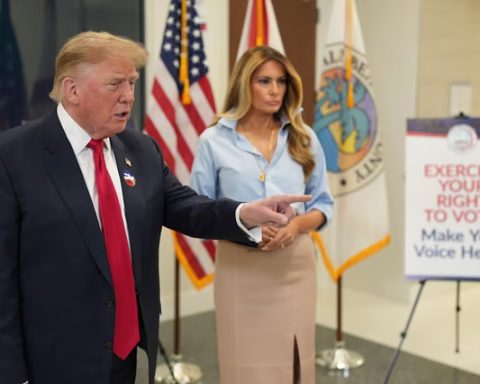
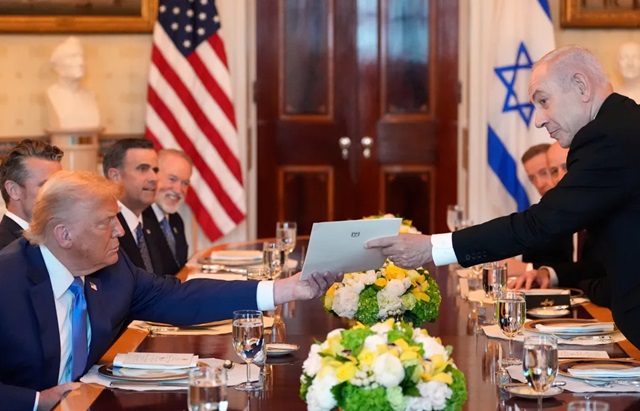
During a state visit to the White House on Monday, Netanyahu presented Trump with a letter nominating him for the prestigious award. “He’s forging peace as we speak, in one country, one region after another,” Netanyahu said, calling the prize “well deserved.” Trump responded with visible emotion, saying, “Wow. Thank you very much. Coming from you in particular, this is very meaningful, Bibi.”
The Israeli leader also expressed the admiration of “all Israelis, the Jewish people, and many admirers around the world” for Trump’s diplomatic leadership, particularly in the Middle East. The moment echoed diplomatic gestures from previous years, including Sir Keir Starmer’s presentation of a letter from King Charles inviting Trump on a state visit to the UK.
The two leaders met to discuss a potential 60-day ceasefire in Gaza. The proposed deal includes Hamas releasing 10 living and 18 deceased Israeli hostages in exchange for Israel withdrawing troops to a buffer zone on the Gaza border. Additionally, Israel would permit the UN and international aid groups to resume humanitarian operations in the territory — a shift away from the controversial Gaza Humanitarian Foundation, which has faced criticism amid reports that over 700 Palestinians have died while trying to access food aid.
The ceasefire plan is being spearheaded by Steve Witkoff, Trump’s Middle East envoy, who will travel to Qatar this week to continue indirect negotiations with Hamas. “We have an opportunity to finally get a peace deal,” Witkoff told Netanyahu at the White House dinner.
This marks Netanyahu’s third visit to Washington since the start of Trump’s second term. Monday evening’s dinner was heavy with symbolism, as Netanyahu reminded attendees of Trump’s first-term achievements, including the historic Abraham Accords that normalized relations between Israel and several Arab nations. While efforts to include Saudi Arabia in those accords have stalled during Trump’s second term due to ongoing hostilities in Gaza, Netanyahu reiterated his belief in Trump’s peace-building legacy.
Trump, long vocal about his desire for the Nobel Peace Prize, has previously criticized the award being given to former President Barack Obama in 2009. At a prior meeting with Netanyahu earlier this year, Trump remarked, “They will never give me a Nobel Peace Prize. It’s too bad. I deserve it, but they will never give it to me.”
Beyond the Middle East, Trump hinted at shifting U.S. policy on other global conflicts. Asked about the ongoing war in Ukraine, he said the U.S. must support Kyiv’s ability to defend itself. “We have to. They have to be able to defend themselves. They’re getting hit very hard now,” Trump said. He also noted dissatisfaction with Russian President Vladimir Putin: “I’m not happy with President Putin at all.”
Trump revealed that he had agreed to direct talks with Iran following last month’s U.S. airstrikes on Iranian nuclear sites. “We have scheduled Iran talks, and they want to … They want to talk,” he said, suggesting a meeting could happen within a week.