In the rain-soaked hills of southern India, a Russian woman has been discovered living in a cave with her two young daughters, igniting a storm of debate around parental rights, immigration, and the line between alternative living and legal responsibility.
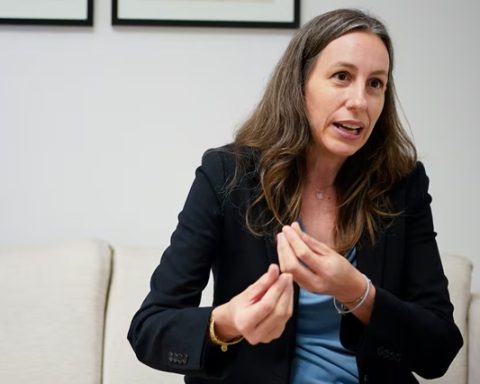
Nina Kutina, 40, was found earlier this month in the remote Ramtirtha Hills of Karnataka, where she had been living off the grid with her daughters, aged five and six. The trio had no electricity, running water, or modern amenities. They slept on plastic mats, cooked on a gas stove, and swam daily in a nearby waterfall.
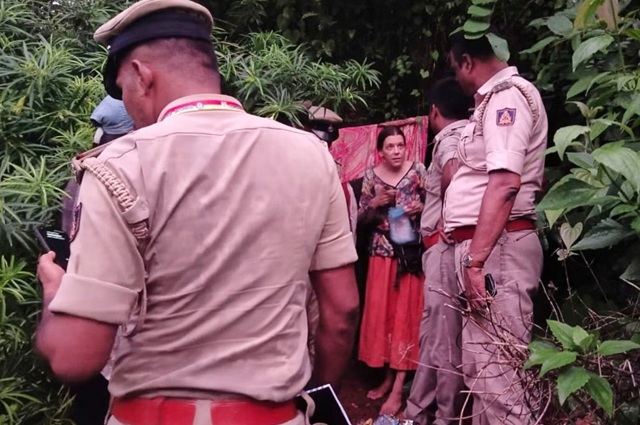
Police stumbled upon the cave dwelling on July 9 during a routine patrol intensified by recent monsoon-triggered landslide concerns in the area near the tourist town of Gokarna. Officers noticed a cloth curtain covering the cave entrance and were surprised to see a barefoot blonde child emerge from what they soon realized was a family’s hidden home in the forest.
Authorities have since transferred Kutina and her daughters to a detention facility for undocumented foreign nationals near Bengaluru, where they await deportation. The Indian government is currently arranging for Kutina’s repatriation to Russia, as she has long overstayed her visa.
A Life in the Wild
Kutina, a former language tutor in Goa, has defended her forest lifestyle as intentional and nurturing. In interviews with local media, she described her days as filled with cooking, meditation, art, singing, and reading with her daughters. The family had access to groceries from a nearby village, and Kutina insisted that her daughters were healthy and happy.
“We were not dying,” she told ANI news agency. “They swam in the waterfall, we cooked good and tasty food. It was a big and beautiful cave — like it had a window to the ocean.”
Inside the cave, authorities found modest belongings — saris used as curtains, art supplies, packets of noodles, and a Hindu idol of Panduranga Vittala, suggesting a deep connection to the natural and cultural surroundings.
A Complicated Past
Kutina’s story is marked by loss and extensive travel. She claims not to have lived in Russia for 15 years and has journeyed across countries including Thailand, Nepal, Malaysia, and Costa Rica. She has four children; her eldest son died in a road accident in Goa last year, and another son, aged 11, now lives in Russia.
The two daughters found with her are reportedly fathered by Israeli businessman Dror Goldstein, who lives in India. Goldstein told NDTV he filed a missing persons complaint after Kutina left Goa with the children without informing him. He is now seeking joint custody and has opposed the government’s plan to deport the children to Russia.
“Not Driven by Spirituality — Just Nature”
Despite living near spiritual hubs like Gokarna, Kutina says her choice was not spiritual but practical. “It’s not about spiritually… we just like nature because it gives us health,” she said.
Kutina, who describes herself as a trained teacher in art and Russian literature, said she intended to homeschool her children and had been earning money through tutoring and art. When needed, she added, her family helped financially.
Legal Gray Areas
Authorities say Kutina entered India on a business visa in 2016, which expired in 2017. She was granted an exit permit in 2018, left for Nepal, and allegedly returned within three months. Records of her return are unclear, and it’s believed she has been in India without a valid visa since at least 2020.
Kutina claims the visa lapse was unintentional, caused by the emotional toll of her son’s death. “I was so sad, I could not think about visa,” she said.
Her emotional statement to friends, shared after her detention, condemned the authorities for uprooting her family from a peaceful life. “We were placed in a prison without sky, without grass, without a waterfall… Not once did a snake harm us. The only thing we feared was people,” she wrote.
An Unusual Legal and Human Story
The case has raised complex questions: Where does the state draw the line between safeguarding children and interfering in unconventional but non-abusive parenting? What happens when international custody battles unfold in foreign jurisdictions?
Police officer Sridhar SR, who helped discover the family, said it appeared Kutina’s decision was born out of love for nature and adventure. “She told us she meditated by candlelight and taught her daughters art, language, and songs in the cave.”