They crossed the border from Sudan carrying the consequences of a devastating war, seeking protection from violence that had already forced hundreds of thousands to flee their homes. But for some Sudanese women who arrived in eastern Chad, the search for safety was followed by new allegations of abuse in the very humanitarian system designed to support them.
An internal investigation by Doctors Without Borders (MSF) has identified 59 reports of harassment, abuse, and sexual exploitation involving female refugees in eastern Chad, including allegations involving minors. The findings have resulted in the dismissal of 18 employees, who have also been permanently barred from future work with the organization.
The investigation, completed in July 2025 and later revealed after the Associated Press obtained access to the confidential report, concerns one of MSF’s largest humanitarian operations worldwide. The organization has been responding to the massive displacement caused by the war in Sudan, which began in 2023 and has pushed more than 900,000 people across the border into eastern Chad.
The allegations first came to wider attention in 2024 after the Associated Press published testimonies from refugee women who described being pressured into sexual relationships in exchange for money, employment, or access to humanitarian assistance. The reports indicated possible involvement by aid workers and members of local security forces, prompting investigations within the humanitarian sector.
MSF said it was unaware of most of the reported cases before the allegations were brought to its attention through the media investigation. A member of the organization with experience in Chad acknowledged that the failure to detect the abuse represented a serious breakdown in internal controls. After learning of the accusations, MSF sent investigation teams to the region, leading to the identification of 59 complaints and the dismissal of 18 workers.
In a statement released Tuesday, MSF apologized and said it had provided medical, psychological, and legal support to survivors identified during the investigation. Laura Leyser, the organization’s Secretary General, said the reported actions represented serious violations of MSF’s responsibilities and values.
The organization has since announced a series of measures aimed at strengthening prevention and accountability. These include stricter staff selection procedures, improved reference checks, stronger identification systems, expanded reporting mechanisms, increased training, enhanced monitoring of projects, and the appointment of dedicated protection personnel.
However, the investigation also highlighted longstanding challenges in humanitarian operations conducted during major emergencies. MSF’s own report acknowledged that similar recommendations had been made following previous scandals involving sexual exploitation, including allegations linked to the Ebola response in the Democratic Republic of Congo in 2020.
The rapid expansion required to address the refugee crisis in Chad created additional pressure on existing systems. The operation received nearly €80 million in funding in 2024 and employed more than 2,400 people. In border areas such as Adré and Métché, MSF and other humanitarian organizations had to recruit large numbers of workers to respond to the growing needs of displaced communities.
“When you have to launch a massive operation in places like Adré or Métché, you either hire on a large scale or you can’t respond to the emergency,” explained an aid worker familiar with the situation. The worker added that this pressure did not excuse failures but helped explain how weaknesses developed, including insufficient reference checks during recruitment.
The complaints investigated by MSF describe several forms of alleged exploitation. Refugee women reported being pressured into sexual relationships in exchange for basic necessities, including food, water, and milk. Others described demands for sexual favors in exchange for temporary employment. Some local female employees said they feared losing their jobs if they rejected advances from supervisors.
Among the cases reviewed by investigators were allegations involving seven teenage refugees. According to the investigation, the girls were transported in an MSF vehicle under the stated purpose of carrying out tasks related to water distribution but were later pressured into sexual acts.
Many survivors said fear prevented them from reporting what happened. Some believed that speaking out could result in losing access to humanitarian assistance. Others said they did not know they had the right to report abuse, while some who sought help said they received no response.
The investigation also revealed that awareness of the alleged abuses extended beyond individual victims. Community leaders told investigators that they had introduced informal curfews to prevent girls and teenagers from entering areas where aid workers were present at night. At least several community members reportedly knew of cases involving their daughters or relatives but chose not to report them because of fears related to employment, aid access, or possible retaliation.
Investigators identified repeated patterns of exploitation that could indicate elements of sex trafficking, although they found no conclusive evidence to establish that such a system existed. The organization said those accused came from different categories of workers, including contracted staff, day workers, external contractors, and suppliers.
The revelations have also prompted a broader response among humanitarian organizations operating in Chad. The United Nations humanitarian coordinator in the country said the allegations were considered credible enough to activate protection mechanisms, leading to additional investigations and strengthened prevention measures. More than 30 organizations are now participating in working groups focused on preventing and detecting sexual exploitation and abuse in eastern Chad.
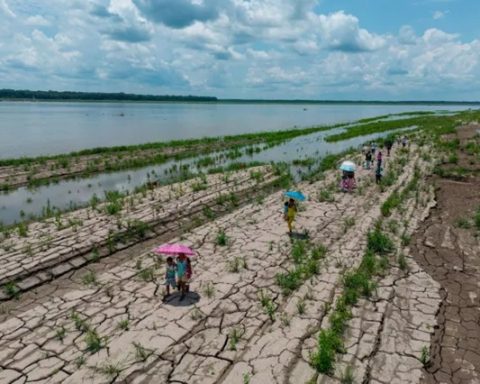
The allegations emerged in one of the most difficult humanitarian environments in Africa. Refugee camps with stronger infrastructure and protection systems have struggled to absorb the number of people arriving from Sudan, forcing many displaced families into informal settlements where access to water, sanitation, healthcare, and security remains limited.
In Adré, a border settlement hosting more than 230,000 people, humanitarian officials have warned that infrastructure and protection services remain insufficient. Refugees have reported violence and attacks against women collecting water or firewood, activities that often require leaving safer areas.
The situation has been further complicated by reductions in humanitarian funding since 2025. Aid organizations have warned that financial cuts have affected essential services, monitoring efforts, and protection programs. The refugee operation in Chad began 2025 with a funding gap exceeding 80% compared with the previous year.
A major unresolved issue is what will happen to those accused of abuse. MSF has stated that dismissed workers will not return to positions within the organization, but whether cases move forward through the legal system depends on decisions made by survivors. The organization said it has offered legal support to those who request it, while recognizing that many victims fear reprisals or lack confidence in the justice system.
Sexual exploitation and abuse are criminal offenses under Chadian law, but access to justice remains difficult in a region affected by poverty, insecurity, and dependence on humanitarian assistance. In 2025, the UN Committee on the Elimination of Discrimination against Women warned that Chad continued to experience high levels of sexual and gender-based violence, combined with low reporting and prosecution rates.
The MSF investigation has placed renewed attention on protection failures within a humanitarian operation serving hundreds of thousands of displaced people. As organizations review safeguards and strengthen reporting systems, the cases identified in eastern Chad remain part of an ongoing effort to address allegations of abuse and accountability in emergency aid operations.