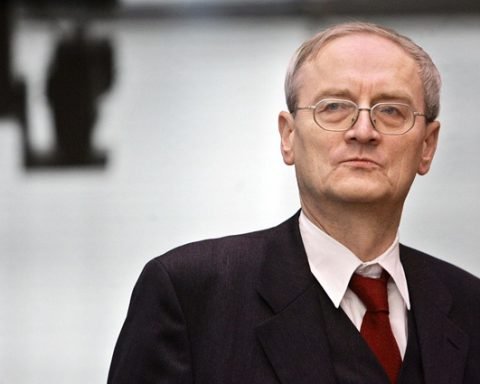
The arrest and remand of former President Ranil Wickremesinghe has triggered a social media feeding frenzy. The propaganda brigades of the government and the Opposition are red in tooth and claw; their campaigns have got down and dirty. The public has been distracted from serious allegations against Minister Kumar Jayakody, the no-faith motion against Deputy Minister of Defence Maj. Gen. (retd.) Aruna Jayasekera, the proposed educational reforms, the high cost of living, the government’s unfulfilled promises, the alleged coal tender racket, etc. Everybody is now waiting to see what will happen on 26 August, when Wickremesinghe is scheduled to be produced before the Fort Magistrate’s Court again.
Deputy Solicitor General Dileepa Pieris told the Colombo Magistrate’s Court on Friday that Wickremesinghe had said that no distinction could be made between official visits and private visits of a President. A deputy minister lost no time in taking to social media differentiating between private visits and official visits of ministers, claiming that he had minimised his expenditure during foreign trips and did not spend state funds on private visits. Doesn’t this holier-than-thou politician use his official security detail and state-owned vehicles for private travel? If he does, doesn’t the public bear the cost of his travel, and doesn’t such action amount to a misuse of state funds? Does President Anura Kumara Dissanayake travel in his own vehicle without security when he attends JVP/NPP events or visits his family members in Anuradhapura? He, like all his predecessors, has led his party’s election campaigns across the country, with hundreds of security personnel guarding him. The cost of his election-related travel is borne by the public. Shouldn’t all past Presidents and the incumbent one be made to face legal action for having done so? Electioneering cannot be considered an official duty of a President by any stretch of the imagination, can it?
Political leaders benefit from the largesse of business magnates, who are known to launder a great deal of black money thanks to their slush funds and political connections. This problem must also be addressed. Billions of rupees pour into the war chests of main political parties for elections, etc. Some laws to regulate campaign funds have been introduced, but political leaders know more than one way to shoe a horse. Expatriate Sri Lankans also shower funds on political parties and their leaders. Where does all the undisclosed money end up? Only a part of it is spent on elections.
Moneybags in the business world do not loosen their purse strings for nothing; they consider campaign funds an investment and expect dividends thereon; in fact, they receive returns in the form of government contracts, political interventions to safeguard their interests, duty waivers, the release of their cargo without Customs inspection, etc. Funds for political parties also come from various lobby groups and even fronts for drug cartels and gambling tycoons.
Transparency is a cornerstone of good governance, which every political party promises to usher in but conveniently forgets after capturing power. How can any government upend existing corrupt systems and pave the way for good governance, without accounting for its own funds? Inadequacy of laws, lax enforcement, blind party loyalties of the public have led to the emergence of a group of politicians who have not inherited wealth or been gainfully employed but are living high on the hog. This is true of most leaders of all political hues and their numerous progeny, who sport designer wear, drive flashy cars and live the life of Riley without any discernible source of income.
As Daisy Aachchi’s bag of gems is to the Rajapaksas, who cannot account for their assets, so is the JVP kitty to the incumbent government leaders. A Rajapaksa family member and Daisy Aachchi are facing legal action. Now, they will have to account for millions of rupees in a joint account. Perhaps, the JVP leaders may have to do likewise when their electoral luck runs out.
If the NPP government considers it unlawful for a President to use taxpayers’ money and state-provided security during a private visit, shouldn’t it bring in a new law to ban the President and Ministers from using their official security details and state-owned vehicles during private travel or visits?
Source: The Island, Colombo