Exclusive
by Our Correspondent in Colombo
Sri Lanka is on the verge of losing its Generalised Scheme of Preferences Plus (GSP Plus) status, with an urgent warning from the European Union. A diplomat working at the EU mission in Colombo recently cautioned that Sri Lanka risks losing this vital trade privilege due to a lack of commitment to the required obligations. The GSP Plus agreement is set to expire at the end of this month, and if Sri Lanka fails to demonstrate compliance with key international conventions, its economy could face further instability.
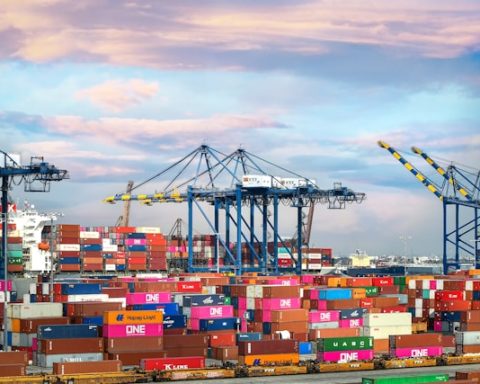
At a closed-door meeting in Colombo, the EU diplomat highlighted the potential repercussions of not meeting these obligations, which could have a detrimental effect on Sri Lanka’s economic stability. The GSP Plus agreement has provided Sri Lanka with significant trade advantages, particularly in exporting goods like apparel to the European market. Without it, the country may face higher tariffs, hindering its economic recovery and growth.
Former President Ranil Wickremesinghe has also urged the current government to take swift action to sign the impending agreements with the European Union. He emphasised that without meeting these commitments, Sri Lanka would face significant economic challenges. Under the proposed GSP Plus agreement with the European Union, Sri Lanka, along with seven other countries, will form a duty-free zone, which provides access to the European market.
However, to qualify for GSP Plus, Sri Lanka must be a party to 27 critical international agreements. These include the International Covenant on Civil and Political Rights (ICCPR), which guarantees civil liberties such as freedom of expression, the right to a fair trial, and protection from arbitrary detention. The International Covenant on Economic, Social and Cultural Rights (ICESCR) ensures that Sri Lanka upholds economic and social rights like access to education, health, and decent work. The International Covenant on the Elimination of All Forms of Racial Discrimination (CERD) prohibits racial discrimination and mandates equal rights for all ethnic groups. Sri Lanka must also adhere to the Convention on the Elimination of All Forms of Discrimination Against Women (CEDAW), which focuses on ensuring gender equality, addressing issues like gender-based violence and equal opportunities in the workforce. The Convention Against Torture and Other Cruel, Inhuman or Degrading Treatment or Punishment (CAT) prevents the use of torture and ill-treatment by state actors, ensuring humane treatment for all individuals.
Other key agreements include the Convention on the Rights of the Child (CRC), which ensures the protection of children’s rights, the Convention on the Prevention and Punishment of the Crime of Genocide (CPPCG), and the Minimum Age for Admission to Employment Convention, which establishes the minimum age for employment. The Prohibition and Immediate Action for the Elimination of the Worst Forms of Child Labour (ILO Convention No. 182) requires Sri Lanka to take measures against the worst forms of child labour. The Abolition of Forced Labour Convention (No. 105) and the Forced Compulsory Labour Convention (No. 29) call for the elimination of forced labour in all its forms. The Equal Remuneration of Men and Women Workers for Work of Equal Value Convention (No. 100) mandates that men and women receive equal pay for equal work, while the Discrimination in Respect of Employment and Occupation Convention (No. 111) ensures that discrimination based on race, sex, or other factors does not exist in the workplace. The Freedom of Association and Protection of the Right to Organise Convention (No. 87) guarantees the right of workers to form trade unions, and the Application of the Principles of the Right to Organise and to Bargain Collectively Convention (No. 98) protects the right of workers to collectively negotiate their working conditions.
Sri Lanka must also be a party to the International Convention on the Suppression and Punishment of the Crime of Apartheid, which prevents racial segregation and discrimination on the grounds of race or ethnicity. The Montreal Protocol on Substances that Deplete the Ozone Layer seeks to protect the environment by phasing out harmful chemicals that cause ozone depletion. The Basel Convention on the Control of Transboundary Movements of Hazardous Wastes and Their Disposal regulates the movement and disposal of hazardous waste to prevent environmental contamination. The Stockholm Convention on Persistent Organic Pollutants (POPs) focuses on reducing and eliminating chemicals that pose serious threats to human health and the environment. The Convention on International Trade in Endangered Species (CITES) protects endangered species by regulating international trade in wildlife. The Convention on Biological Diversity (CBD) aims to conserve biodiversity, ensuring the protection of ecosystems and genetic resources. The Cartagena Protocol on Biosafety, which is an international agreement on the safe transfer, handling, and use of living modified organisms (LMOs), is another essential treaty Sri Lanka must be a part of. The Kyoto Protocol to the UN Framework Convention on Climate Change seeks to reduce greenhouse gas emissions to mitigate climate change.
Further international commitments include the UN Single Convention on Narcotic Drugs, which aims to control and limit the production and distribution of narcotic drugs, and the UN Convention on Psychotropic Substances, which regulates substances that could have harmful effects on human health. The UN Convention against Traffic in Narcotic Drugs and Psychotropic Substances strengthens international cooperation to combat drug trafficking. The Mexico UN Convention Against Corruption, adopted in 2003, establishes measures for preventing and addressing corruption in both the public and private sectors.
For Sri Lanka to retain its GSP Plus status, these 27 international conventions form the foundation of the legal and ethical commitments it must uphold. The country’s compliance with these agreements is essential not only for maintaining its trade privileges but also for ensuring its continued participation in the global community as a responsible member, dedicated to human rights, environmental sustainability, and social progress. The government must take immediate action to engage with the European Union and resolve any outstanding issues to secure Sri Lanka’s economic future.