


Pakistan is expanding its legal machinery to deal with terrorism, introducing time-bound preventive detention and protected judicial proceedings in Balochistan and Punjab. The reforms seek to address failures in prosecuting militant suspects
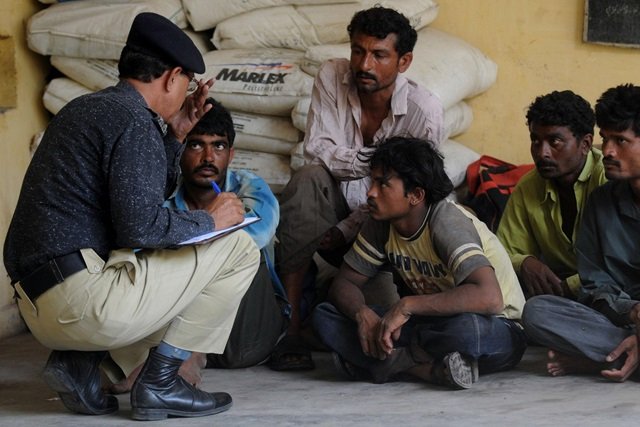
Pakistan is expanding its legal machinery to deal with terrorism, introducing time-bound preventive detention and protected judicial proceedings in Balochistan and Punjab. The reforms seek to address failures in prosecuting militant suspects
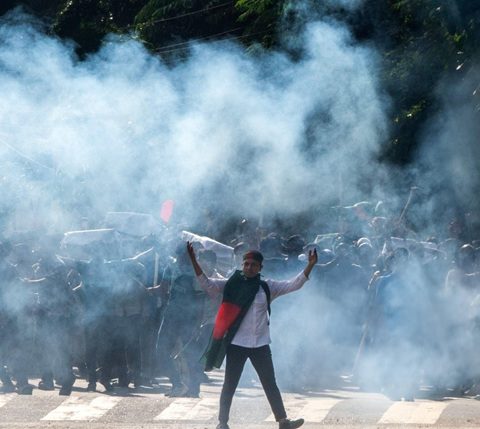
The American conspiracy will soon perish in the ruins of its own making. Before 5 August 2024, Bangladesh was like a sajano-guchano sangsar—a household painstakingly arranged after decades of sacrifice, struggle and national reconstruction under Bangladesh’s most successful HPM Sheikh
Bangladesh is moving towards a more diversified foreign policy as its ties with China deepen, signalling Dhaka’s ambition to emerge as a more independent
When Milan Shrestha returned to the aftermath of devastating floods in northern Nepal, his family hotel in Betrawati was gone. His parents, both in
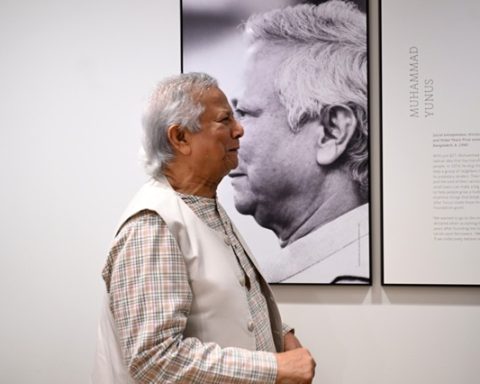
Following Sheikh Hasina’s removal from the position of Prime Minister of Bangladesh, Muhammad Yunus assumed leadership of a non-partisan interim government. His strategy for political survival involved forming alliances with Islamist parties
More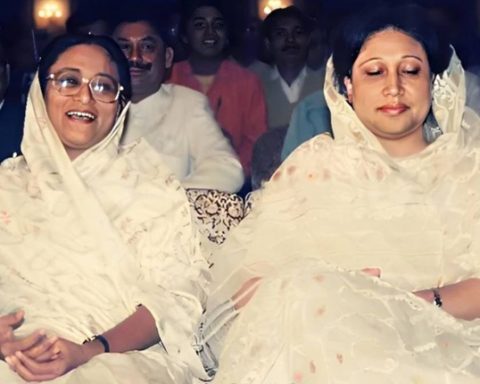
Dynastic politics is inherent to our South Asian genes, be it in Bangladesh, India, Pakistan, or Sri Lanka. We have the occasional accidental leaders, but at the core, the persistent stranglehold of
More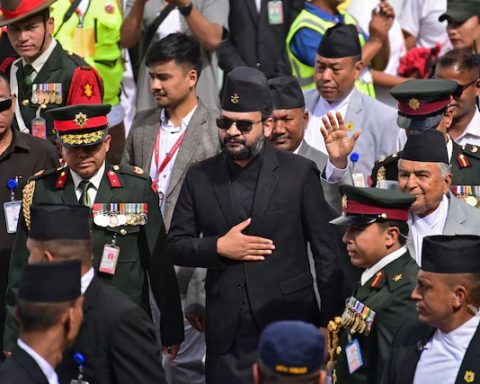
Two popular figures in Nepalese politics have joined forces ahead of the March 5 parliamentary elections, setting up a potential challenge to parties that have dominated the Himalayan nation for more than
More Bangladesh has been shaken by violent demonstrations since December 2025 when Sharif Osman Hadi, a well-known youth leader and a fierce opponent of India, died. Although the catalyst that triggered the situation
More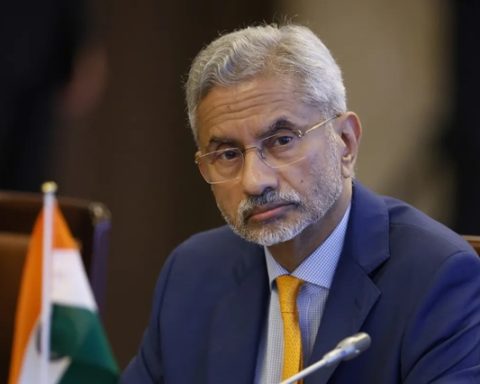
India’s External Affairs Minister S. Jaishankar is scheduled to visit Sri Lanka next week, reinforcing Delhi’s commitment to aid and reconstruction following Cyclone Ditwah, which struck the island on November 27, 2025.
More
Editor’s note: The following article was first published in The Sunday Morning, a Colombo-based weekly newspaper. New Delhi’s winter is approaching with a gentle chill, though the city retains a pleasant calm,
More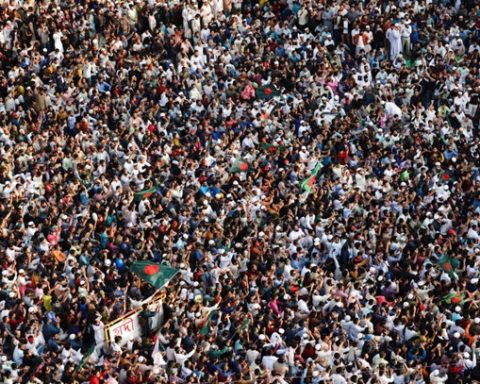
On December 18, 2025, the death of Sharif Osman Hadi, spokesperson of the Inqilab Mancha and a prospective candidate for the upcoming 13th National Parliamentary Election, triggered a rapid escalation of protests
More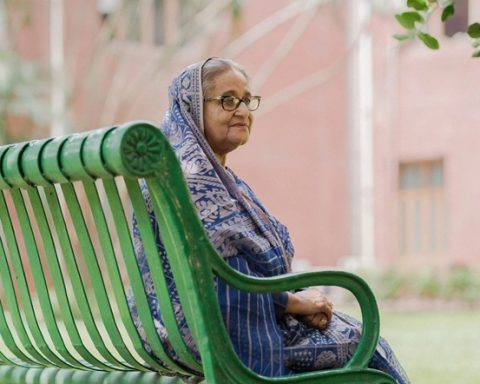
Bangladesh’s deposed Prime Minister Sheikh Hasina has accused the country’s Chief Adviser, Muhammad Yunus, of sponsoring extremist elements and has called for his departure ahead of the forthcoming national elections. Speaking in
More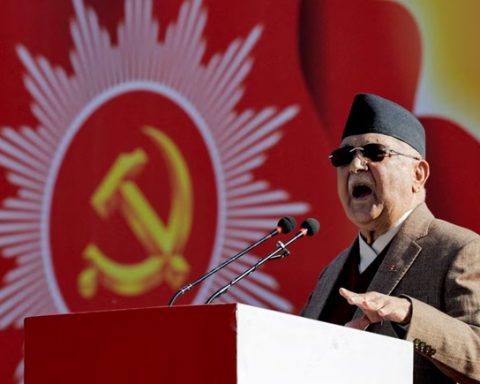
Tens of thousands of Nepalese supporters rallied on Saturday in Bhaktapur near the capital Kathmandu, marking the largest political gathering since anti-corruption protests forced former Prime Minister K.P. Sharma Oli from office
More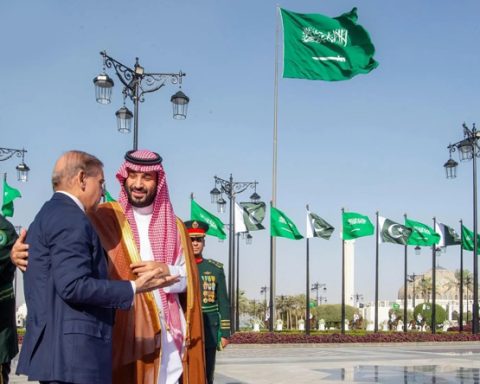
Against the intricate strategic realities of South Asia, Pakistan’s recent surge in confidence marks a potentially constructive phase for regional cooperation. This shift was clearly articulated by Ishaq Dar, Pakistan’s Deputy Prime
More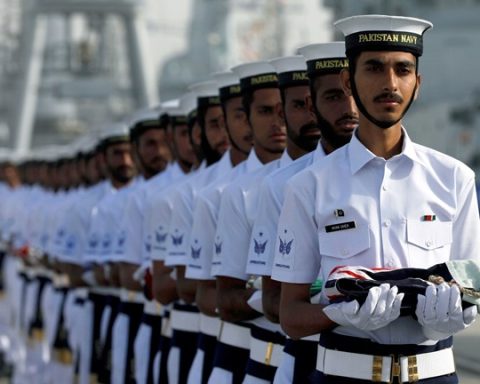
When Pakistan’s Inter-Services Public Relations (ISPR) released a brief video in late November showing a missile launching from a grey warship, it appeared to be a routine announcement of a successful test
More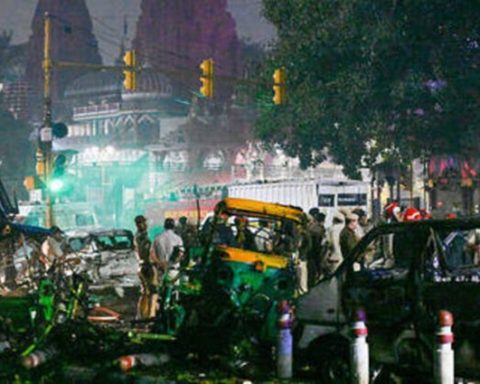
Much has been written about the Red Fort blast. More dots in the terror trail will unearth additional evidence. The terrorist plot must have been incubating for two years, according to reports,
More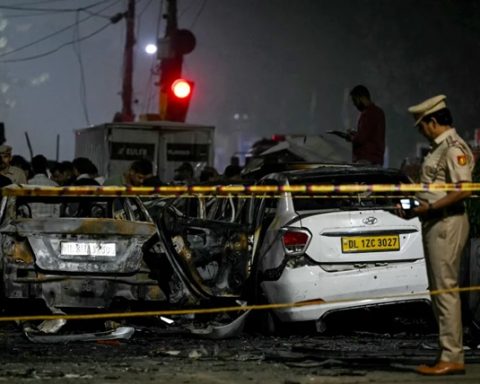
Amid the anti-Indian rhetoric of Pakistan army chief Asim Munir, India has suffered yet another terrorist attack within months of the Pahalgam incident—this time in New Delhi. The explosion near Delhi’s Red Fort metro
More
In Norse mythology, Thor is the protector who stands firm when storms gather. He does not cause destruction but faces it head on, holding the line so that others may survive. In
More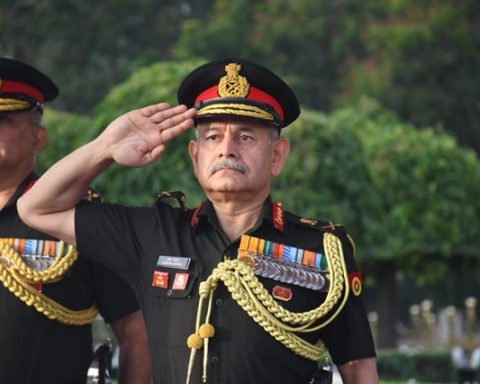
The Chanakya Defence Dialogue, held annually to discuss India’s military and defense strategies, recently witnessed Indian Army Chief General Upendra Dwivedi make a number of bold claims regarding Kashmir’s security landscape and
More