


Pakistan is expanding its legal machinery to deal with terrorism, introducing time-bound preventive detention and protected judicial proceedings in Balochistan and Punjab. The reforms seek to address failures in prosecuting militant suspects
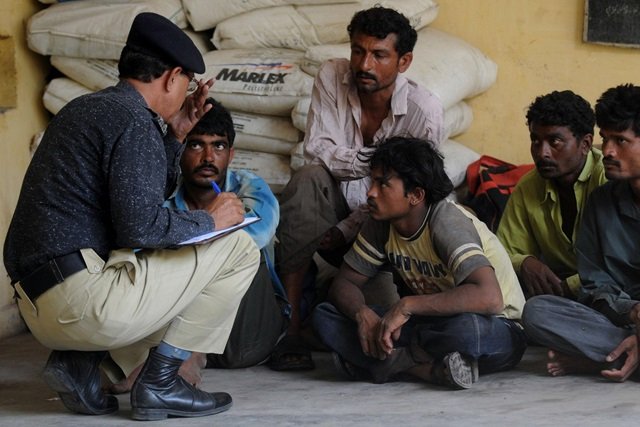
Pakistan is expanding its legal machinery to deal with terrorism, introducing time-bound preventive detention and protected judicial proceedings in Balochistan and Punjab. The reforms seek to address failures in prosecuting militant suspects
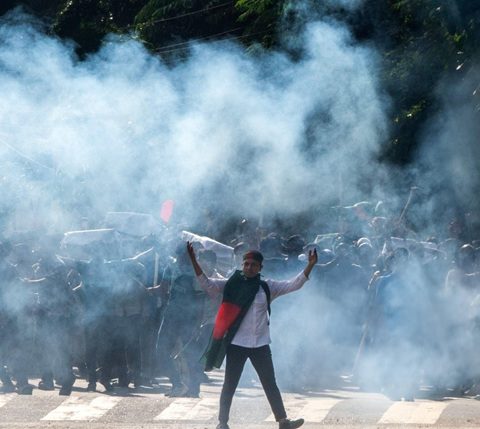
The American conspiracy will soon perish in the ruins of its own making. Before 5 August 2024, Bangladesh was like a sajano-guchano sangsar—a household painstakingly arranged after decades of sacrifice, struggle and national reconstruction under Bangladesh’s most successful HPM Sheikh
Bangladesh is moving towards a more diversified foreign policy as its ties with China deepen, signalling Dhaka’s ambition to emerge as a more independent
When Milan Shrestha returned to the aftermath of devastating floods in northern Nepal, his family hotel in Betrawati was gone. His parents, both in
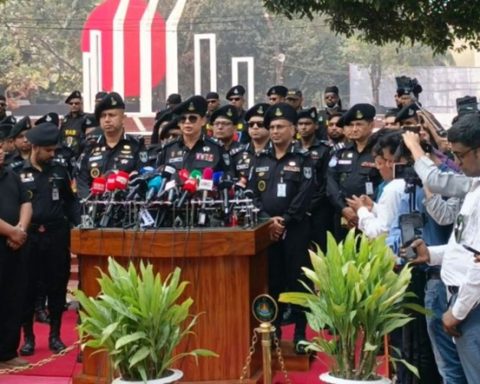
On 5 August 2024, the political landscape of Bangladesh was abruptly transformed. An elected government led by Sheikh Hasina was displaced under circumstances that did not proceed through ballots or legislative vote.
More
The global level of cyber threats is increasing, and it is putting countries in a battle of both technological capacity and regulatory outlook. In 2026, the two largest economies in South Asia
More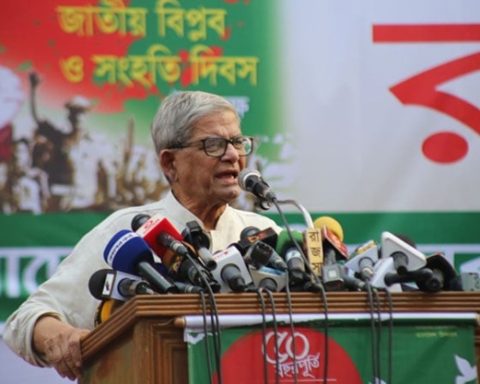
Bangladesh Nationalist Party (BNP) Secretary General Mirza Fakhrul Islam Alamgir cast his vote on Thursday morning in the Thakurgaon-1 (Sadar) constituency, describing the election as a decisive moment that will determine the
More
As Bangladesh heads into a closely watched national election, one of its most controversial political forces is attempting a dramatic repositioning. Bangladesh Jamaat-e-Islami, long associated with religious conservatism and historical baggage dating
More
Bangladesh’s leading prime ministerial contender, Tarique Rahman, has rejected an offer to form a post-election unity government with his main rival, saying his party expects to secure a clear mandate when the
More
Military coups, noted Edward Luttwak, can be stunningly successful: instant transfer of power or abysmal failures: eating out of a mess tin in jail and waiting for a firing squad. In an
More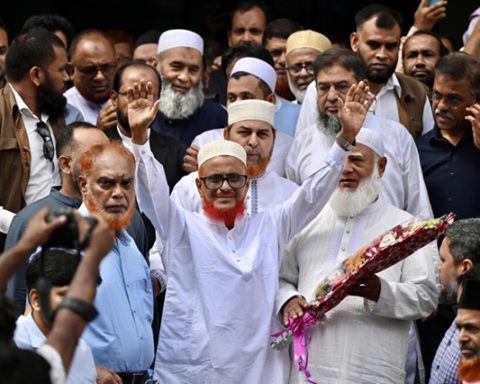
Bangladesh’s largest Islamist party, Jamaat-e-Islami, is attempting a dramatic political comeback ahead of next month’s parliamentary elections, reshaping its image from a long-stigmatized force into a potentially powerful contender. The party, which
More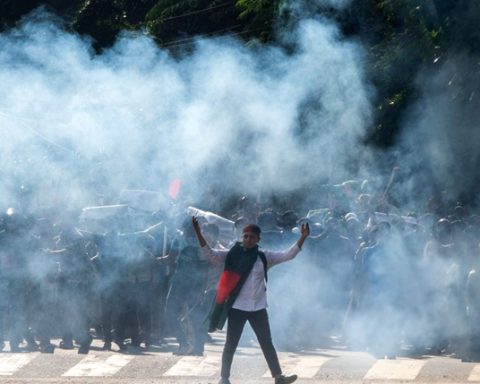
As Bangladesh approaches the scheduled national election of 12 February 2026—if it is indeed held—an old and painful anxiety once again grips the national conscience. Elections, which ought to be the grandest
More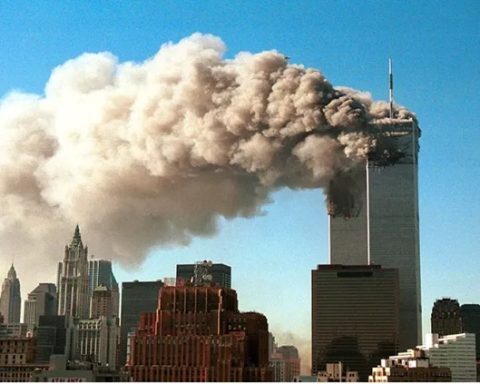
The world changed overnight on September 11, 2001. Loved ones died, souls suffered, and fear clouded the world. U.S. President George W. Bush initiated a global “War on Terror,” beginning an era in which counterterrorism became
More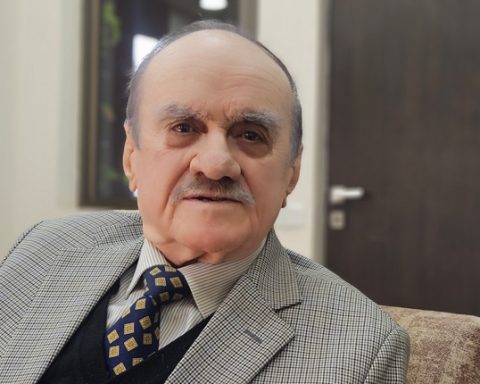
In an interview conducted in mid-December in New Delhi by Sri Lanka Guardian, Lieutenant General R. K. Sawhney spoke at length about India’s military posture, strategic culture and national security outlook. His
More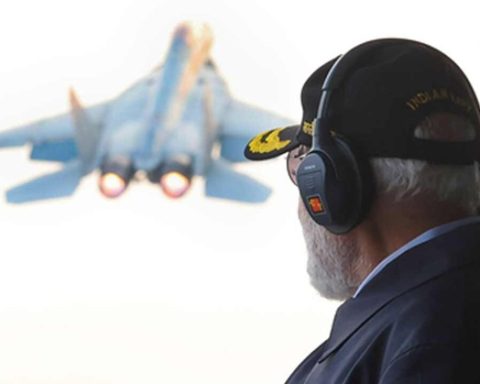
2026 opened with US muscle-power exercises, intended to revive the Monroe Doctrine and reinforce its security dominance, which had been under scrutiny since Israel’s strikes on Qatar escalated tensions in the Middle
More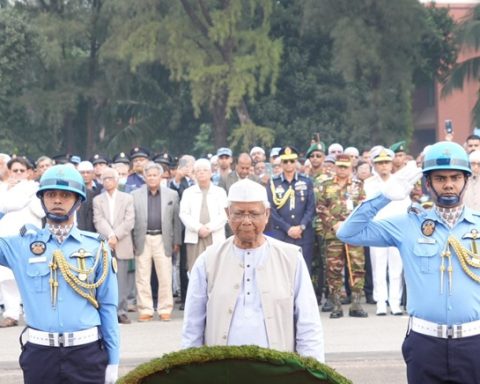
The recent talks about a defense pact between Bangladesh and Pakistan provide a bright spot in their otherwise tense relationship. After the political changes in Dhaka in 2024, relations between the two
More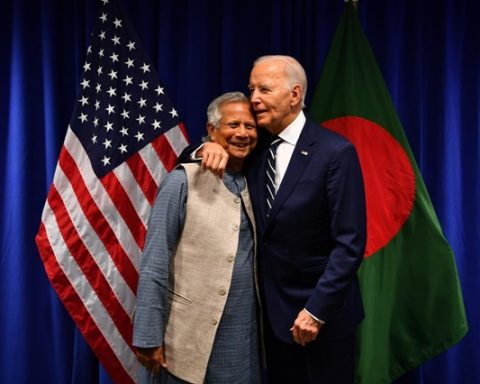
Since the ouster of elected Prime Minister Sheikh Hasina, on August 5, 2024, Bangladesh has been experiencing political volatility, social turmoil, and an endless spate of violence. With around a month remaining
More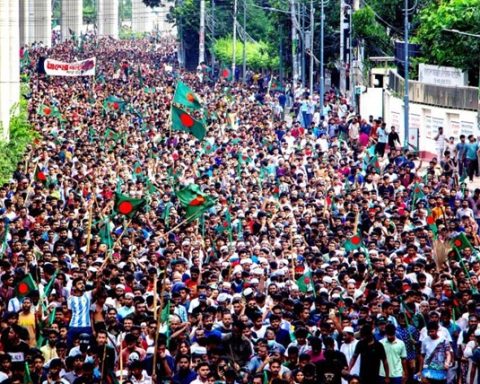
History has shown, repeatedly, that tyranny rarely arrives with spectacle. It does not announce itself with fanfare or force its way in overnight. It creeps in quietly—through decrees, enforced silence, and the
More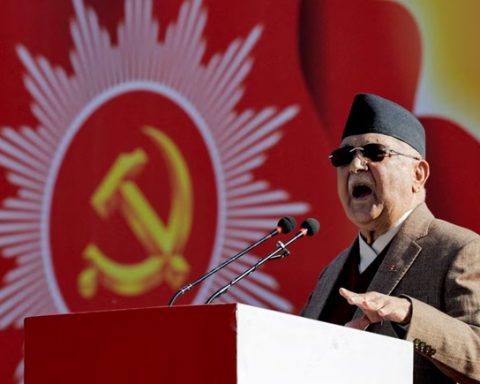
Nepal is moving full steam ahead towards the March 5, elections, which are a referendum on the performance of traditional parties and the key outcome of Nepal’s fifth revolution (Jan Andolan) last
More