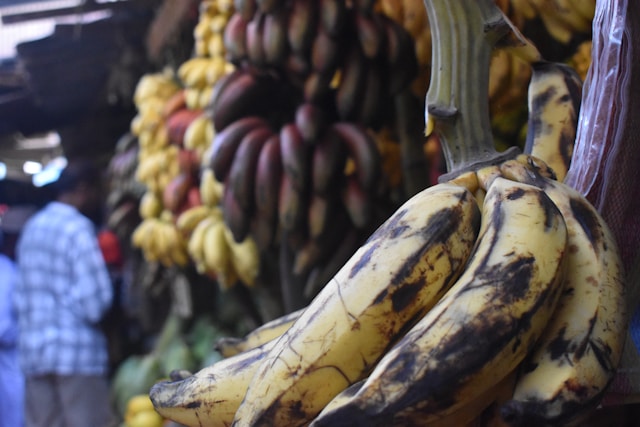
The banana may seem like one of the world’s most ordinary fruits, but behind its low price lies a bloody history of exploitation, corruption, and violence. At the center of it all was the United Fruit Company (UFCo), a U.S.-based agricultural giant that once dominated Latin America so thoroughly it was said to own not just plantations, but entire nations.
From the early 20th century through the Cold War, UFCo controlled vast stretches of land, ports, and railways across Guatemala, Honduras, and Costa Rica. Its economic power translated into political dominance, with local governments reduced to little more than corporate administrators. The phrase “banana republic” was coined to describe this system, in which sovereign nations were effectively run to serve a fruit company’s profits.
The consequences were catastrophic. In Guatemala, UFCo demanded exorbitant compensation—16 times the government’s official valuation—for unused land. When the government refused, UFCo lobbied Washington to intervene. The result was Operation PBSUCCESS in 1954, a CIA-backed coup that toppled Guatemala’s elected president and ignited a 36-year civil war, claiming more than 200,000 lives.
Similar patterns unfolded elsewhere. In Honduras, UFCo bribed presidents, backed coups, and manipulated laws to secure its dominance, while treating democracy as a business expense. Environmental devastation compounded the human toll: heavy pesticide use on banana plantations caused sterility, cancer, and long-lasting soil and water contamination. Costa Rica continues to grapple with lawsuits stemming from UFCo’s toxic legacy.
Though UFCo has long since faded into history, its blueprint endures. Critics argue that today’s tech giants mirror the same playbook—controlling infrastructure, influencing governments, and extracting wealth under the guise of modern capitalism. United Fruit may have monopolized bananas, but in doing so, it demonstrated how multinational corporations could monopolize entire nations.