


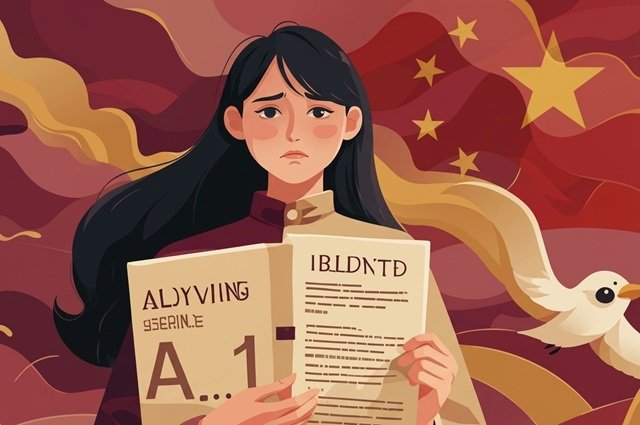
A resignation letter from inside Alibaba’s workplace communication platform DingTalk has become a rare public reckoning over the pressures facing China’s technology workers, sparking debate about a corporate culture built around relentless competition and constant performance demands.
The letter, written by DingTalk product manager Teng Yaxin and published on Alibaba’s internal network, detailed the rise and decline of an artificial intelligence project while describing the intense pressure experienced by employees responsible for developing it. The 75,000-character account quickly spread across Chinese social media, drawing attention not only because of the struggles inside DingTalk, but because many workers recognized their own frustrations in her description.
The controversy became so widespread that it contributed to the removal of DingTalk chief executive Chen Hang, according to reports. The incident has placed renewed focus on the broader issue of “involution,” a term widely used in China to describe excessive competition that produces increasing effort without meaningful progress.
Teng’s letter centered on DingTalk’s AI initiative, known as Project ONE, a flagship product launched as part of DingTalk 8.0. The project was promoted as an AI-driven workplace system designed around the concept of “tasks finding people” and quickly reached about 3 million daily active users, according to the additional details provided. However, the project later contracted and resources were shifted toward another AI product, Wukong Agent.
In her account, Teng described a workplace environment shaped by intense pressure from DingTalk founder and CEO Chen Hang. One episode that drew particular attention involved employees being asked to remain in the office until midnight so they could observe when the offices of rival company ByteDance’s Feishu platform turned off their lights.
“As if seeing that their lights were still on meant that their will to fight was still burning,” Teng wrote, describing the mentality behind the decision. She questioned whether such actions reflected genuine strategy or simply fear of falling behind competitors.
The letter resonated because it reflected a wider anxiety among Chinese workers facing increasingly competitive workplaces. In an environment shaped by “involution,” employees often feel pressure to demonstrate constant activity, meet expanding targets and compete against colleagues and rival companies even when the results are unclear.
The phenomenon has spread beyond technology companies. In 2025, major Chinese e-commerce platforms spent billions of dollars on discount campaigns that fueled price wars. According to Chinese business outlet Late Post, platforms pushed to achieve transaction records despite concerns that such growth was difficult to sustain, creating additional pressure for merchants and workers.
Ma Ruila, a former DingTalk vice president and AI product manager, responded to Teng’s letter in a personal article titled “Outside DingTalk.” After reading the resignation post, he said he felt deep distress over the pressure experienced by employees who had invested significant effort without seeing expected results.
Ma wrote that he understood the cycle of repeated reports, rapid adjustments and limited progress described by Teng. He questioned what employee-focused corporate values mean when organizations operate under extreme pressure, asking whether employees are truly valued or simply expected to constantly sacrifice for business goals.
He said Teng’s letter became widely discussed because it touched on issues many employees felt existed but were rarely openly discussed. According to Ma, the problem was not only the pressure itself but the possibility that workers could become disconnected from their own purpose within large organizations.
The controversy surrounding DingTalk also highlighted questions about the influence of technology companies’ management practices across Chinese workplaces. Tools such as DingTalk, WeChat and Feishu have become central to workplace communication, while performance systems including key performance indicators and objectives-based evaluations have expanded across many industries.
Critics of this model argue that companies increasingly focus on market share, user growth and short-term measurements rather than sustainable development. Employees can become trapped in bureaucratic processes, including lengthy meetings, constant reporting and performance evaluations that reward visible activity rather than meaningful results.
Following the public reaction, Alibaba’s senior leadership criticized excessive high-pressure management practices at DingTalk and called for a more humane workplace culture. DingTalk has not issued a public response to Teng’s letter, although a source cited in reports said the project did not represent the entire organization and that multiple factors contributed to its outcome.
The debate has also raised broader questions about workers outside the technology sector, including delivery workers, small business owners and professionals facing long working hours and limited bargaining power. While technology employees may have greater visibility when workplace disputes become public, similar pressures exist across many parts of the economy.
The Chinese government has made “anti-involution” a priority in its economic agenda since 2025, introducing measures aimed at strengthening labour protections and reducing destructive competition in sectors including e-commerce, solar manufacturing and electric vehicles.
The DingTalk controversy has become a symbol of a wider discussion about the future of work in China. At its center is a question raised by Teng herself: whether employment should develop workers’ skills, protect their well-being and strengthen their dignity, or leave them exhausted and unable to see a meaningful path forward.









