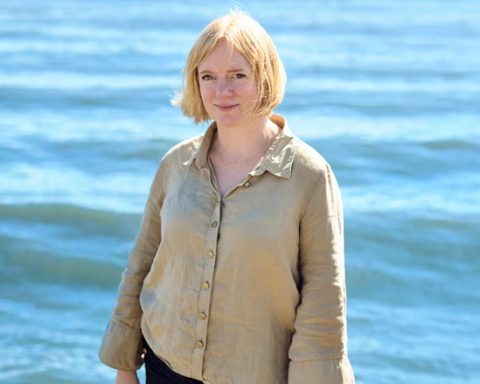
As reported by The Times UK, a new light is cast on the unlikely intersection of poetry and warfare in post-coup Myanmar, where verse and violence now exist side by side in the country’s brutal fight for freedom. Amid the chaos following the military takeover in 2021, a growing number of young poets, once dedicated to peaceful protest, are now leading the charge on the frontlines — armed not just with words, but with weapons.
At the heart of this literary rebellion is Maung Saungkha, a 32-year-old poet and human rights activist who was jailed in 2016 for a poem criticizing the country’s then-president. Once an icon of peaceful dissent, Saungkha is now the commander of the Bamar People’s Liberation Army (BPLA), an armed group that blends revolutionary ideals with creative expression.
“In our country, poets are rebels,” Saungkha told The Times UK, speaking from his base in eastern Myanmar. “Poetry is important in the revolution. It encourages people to become involved. Regardless of the regime, poets from a country with injustice have rebellious blood.”
This unique intersection of creativity and conflict is the subject of a forthcoming book, Frontline Poets: The Literary Rebels Taking on Myanmar’s Military, co-authored by journalist Joe Freeman and Burmese writer Aung Naing Soe. Scheduled for release in June by River Books, the work documents the transformation of artists into insurgents, as they abandon urban comfort and literary salons for life in jungle camps and rebel strongholds.
The BPLA, now numbering over a thousand fighters, has carved out a key role in Myanmar’s resistance, reportedly helping seize control of one-third of the country by late 2024. But in between tactical missions and survival training, poetry remains a lifeline. Troops gather for nightly readings, share verses in the army’s digital journal Bamar Rebel, and find solace in expression amid the turmoil of war.
One of the most beloved poems among the fighters, My Eyes, Still Wet With Tears, reflects the deep emotional toll of combat:
The frivolous parties grew louder,
While the world, in tears, felt smaller.
‘Be strong,’
We comforted, clinging to each other as we fell apart.
But even Saungkha admits that the demands of war have left little room for creativity. “To be honest, I write fewer and fewer poems now. I am busy with military operations and managing the army,” he told The Times UK. “Perhaps, for now, the sword is mightier than the pen.”
Still, many fighters insist that verse is essential to processing their trauma. Yoe Aunt Min, the BPLA’s political chief and a former environmental activist in her twenties, says poetry helps her maintain a sense of humanity amid the violence. “Creativity can still flourish even in the midst of insecurity,” she said.
Her verses often carry the delicate weight of love and longing in a time of war. One poem, dedicated to a fellow female rebel stationed elsewhere, reads:
The last ship, the last traveller; the last train
Looking straight into your eyes
You give completeness and absence
At the same time
In awe and surprise
The rebel poets of Myanmar are not just soldiers with a penchant for metaphor — they are part of a larger tradition of literary resistance that spans centuries, from Homer to Wilfred Owen, and even George Orwell, who once served in colonial Burma. But as The Times UK highlights, what sets this movement apart is the sheer number of fighters who wield both a rifle and a pen — a rare phenomenon in the modern world.
Many have paid the ultimate price. Among them was Aung Khant Zaw, a former PEN Myanmar prizewinner whose poem about peace once resonated nationwide. He was killed in action in March 2024, shot in the neck at age 30.
Despite the loss and hardship, the poetic spirit of Myanmar’s revolution lives on. As Aung Naing Soe notes, the seeds of rebellion were planted early through a rich literary education that introduced students to both classical verse and revolutionary ideals. “When a crisis happens, you are inspired by them,” he said. “All of us want to contribute something for the betterment of the nation, including people who never thought they would use a weapon.”
In a country where oppression has long tried to silence dissent, Myanmar’s rebel poets are ensuring that their stories — and their stanzas — will be heard, whether whispered in bamboo forests or shouted through the smoke of battle.