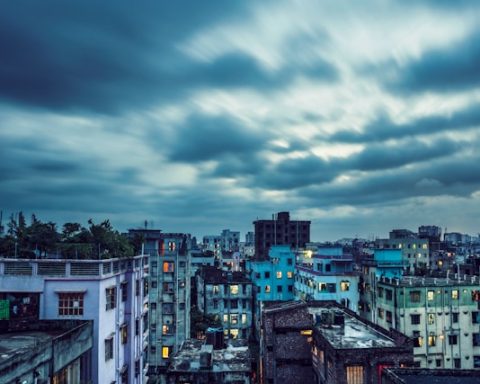
In Mumbai’s Dhobi Ghat, a sprawling open-air laundry, residents initially greeted Nagi’s arrival with skepticism. Buckets of bright yellow, magenta, green, turquoise, and red paint sparked fear that the government was marking homes for demolition. But Nagi, a Slade School of Fine Art graduate, quickly proved she had a different mission: to brighten the environment and spirits of the slum’s inhabitants. Accompanied by volunteers, students, and local residents, she painted the drab grey walls, transforming not just the buildings but the mood of the community.
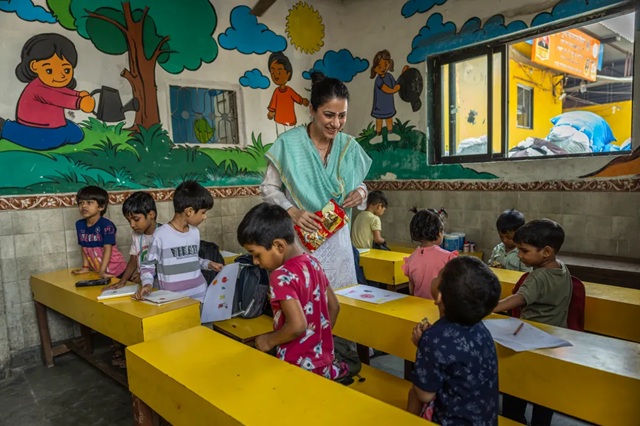
The initiative, part of her Misaal Mumbai project through the Rouble Nagi Art Foundation, has spread far beyond Dhobi Ghat. Over 26 years, Nagi has painted more than 150,000 houses across 163 slums and villages, bringing colour and dignity to areas often overlooked. But her work goes beyond aesthetics. Each painted slum hosts a balwadi, or pre-primary learning centre, with about 800 operating across India. These centres have provided art-based education to over one million children, offering a creative foundation that encourages learning and self-expression.
Nagi’s approach also emphasizes hygiene and community engagement. Residents are encouraged to keep their areas clean, creating a sense of ownership and pride. The painted walls have changed perceptions, with residents insisting their homes be referred to as “huts” rather than the derogatory term “jhuggi.” For many, the transformation has been life-affirming, providing a sense of respect and identity.
Last month, Nagi’s efforts were recognized globally when she received the $1 million GEMS Global Teacher Prize at the World Governments Summit in Dubai. Her work demonstrates how art and education can intersect to bring social change, giving children opportunities to thrive while turning entire communities into living canvases of hope and dignity.