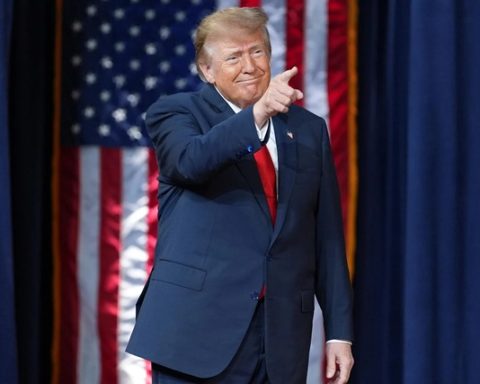
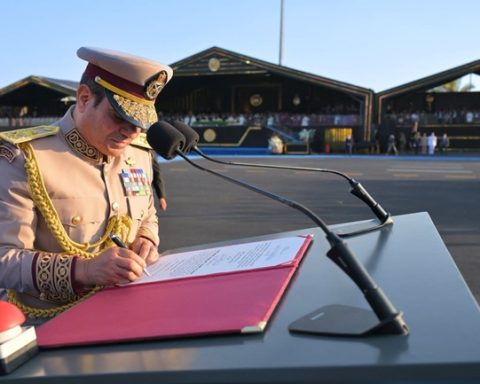
The Trump administration is weighing a significant escalation of its immigration and national security policies, with plans to potentially ban citizens from 36 additional countries from entering the United States, according to an internal State Department cable obtained by Reuters.
The cable, signed by U.S. Secretary of State Marco Rubio, outlines a sweeping proposal that builds on President Donald Trump’s recently signed proclamation, which already restricts entry from 12 nations. The new proposal, if enacted, would mark one of the broadest travel bans in U.S. history, reflecting the administration’s intensified efforts to clamp down on immigration during Trump’s second term.
The document, first reported by The Washington Post, indicates that the countries under review face a 60-day deadline to address “security and cooperation concerns” or risk full or partial suspension of their nationals’ entry into the U.S.
Grounds for Concern
The State Department highlighted a range of issues prompting the proposed bans, including:
- Weak or unreliable identity documentation systems
- Inadequate cooperation in repatriating deported citizens
- Security concerns related to passport issuance
- Overstays of U.S. visas
- Links to terrorism, antisemitism, or anti-American activity
Not all concerns applied to every country on the list, the cable clarified. However, the administration stressed that failure to meet U.S. benchmarks could result in wide-ranging visa restrictions.
“We are constantly re-evaluating policies to ensure the safety of Americans and that foreign nationals follow our laws,” a senior State Department official said. “The Department of State is committed to protecting our nation and its citizens by upholding the highest standards of national security and public safety through our visa process.”
Nations at Risk
The 36 countries cited in the cable include a diverse mix across Africa, Asia, and the Caribbean: Angola, Antigua and Barbuda, Benin, Bhutan, Burkina Faso, Cabo Verde, Cambodia, Cameroon, Ivory Coast, Democratic Republic of Congo, Djibouti, Dominica, Ethiopia, Egypt, Gabon, Gambia, Ghana, Kyrgyzstan, Liberia, Malawi, Mauritania, Niger, Nigeria, Saint Kitts and Nevis, Saint Lucia, Sao Tome and Principe, Senegal, South Sudan, Syria, Tanzania, Tonga, Tuvalu, Uganda, Vanuatu, Zambia, and Zimbabwe.
This list would significantly expand the scope of Trump’s prior travel restrictions, which already impact countries such as Iran, Libya, Somalia, Sudan, Yemen, and Myanmar.
Backlash and Precedents
Critics have drawn parallels between this proposed expansion and the original 2017 “Muslim ban,” which barred entry from several majority-Muslim countries and was ultimately upheld by the U.S. Supreme Court after multiple legal challenges.
Activist groups and civil rights organizations have condemned the bans as discriminatory and ineffective, warning that they strain diplomatic relationships while targeting countries with limited means to comply with U.S. demands.
Trump’s broader immigration crackdown during his second term has included the deportation of hundreds of Venezuelans to El Salvador, stricter controls on foreign student visas, and increased enforcement actions targeting undocumented immigrants.
As the 60-day window begins ticking, the affected countries face an urgent diplomatic challenge: align with U.S. security expectations or face isolation from one of the world’s most coveted travel destinations.