by Durga
As tensions escalate in the Middle East, Donald Trump has transformed social media into an unprecedented theater of war, using his platform Truth Social to narrate, influence, and at times seemingly direct the course of a live military conflict. In a dramatic departure from the secrecy and restraint traditionally associated with wartime leadership, Trump’s rapid-fire posts have become a defining feature of the ongoing confrontation involving Iran, Israel, and the United States.
At 10:05 p.m. on a recent Wednesday, Trump issued one of his starkest warnings yet, threatening to “massively blow up” Iran’s South Pars gas field—the largest in the world—if Tehran continued retaliatory strikes on energy infrastructure. The message, delivered directly to millions without diplomatic filters, underscored a new reality: global security threats are now being broadcast in real time by the world’s most powerful officeholder. For allies and adversaries alike, the implications are profound, as policy signals once confined to classified briefings are now public, immediate, and often unpredictable.
This digital-first approach marks a striking contrast with past wartime leaders. Figures such as Winston Churchill and Franklin D. Roosevelt relied on private notes, speeches, and carefully staged communications to shape public perception while safeguarding operational secrecy. Even propagandists like Joseph Goebbels operated within controlled information systems. Trump, by contrast, has collapsed the boundary between internal deliberation and public messaging, turning every post into both a declaration and a potential strategic signal.
Since the conflict began on Feb. 28, Trump has posted nearly 90 times about the war, with messages ranging from sweeping claims of victory to sharp rebukes of allies. At one point, he declared the war “already won” even as U.S. forces intensified bombing campaigns. In another, he insisted that Iranian military capabilities had been completely destroyed, despite ongoing counterattacks from Tehran. These assertions, often contradicted by unfolding events, have created confusion among international observers and even within his own administration.
The president’s rhetoric has not been limited to adversaries. NATO, long a cornerstone of Western security, has come under repeated attack. Trump labeled the alliance a “one way street” and publicly vacillated between demanding support and dismissing it altogether. After urging member states to help secure the strategically vital Strait of Hormuz—through which roughly a fifth of global oil supplies pass—he reversed course when assistance did not materialize, declaring that the United States neither needed nor wanted NATO’s involvement.
Such unpredictability has unsettled global capitals already grappling with the economic fallout of the conflict. Disruptions in the Strait of Hormuz have driven up oil prices, raising fears of a broader energy crisis. Gulf nations, caught between escalating strikes and uncertain U.S. messaging, face mounting pressure as energy infrastructure becomes a primary target. Trump’s posts, alternating between reassurance and escalation, have done little to calm markets or allies.
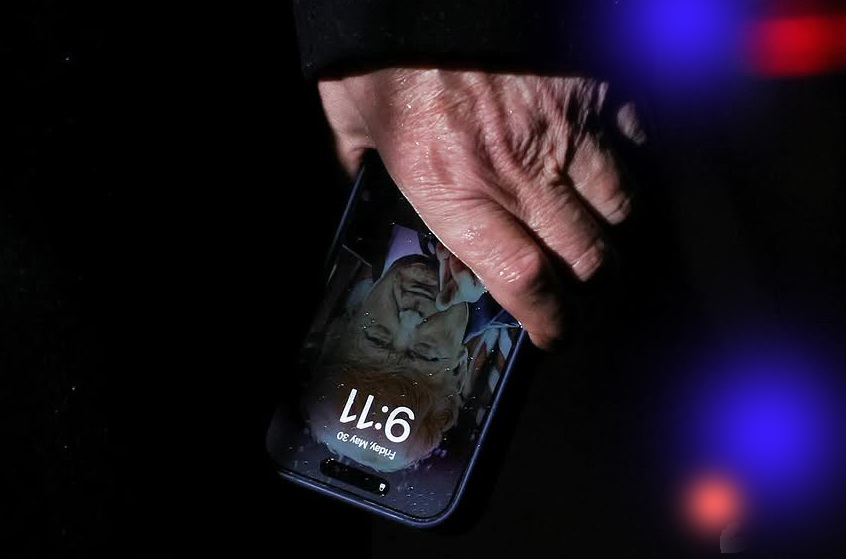
Inside Washington, the president’s online activity is closely monitored and, at times, quietly contested. A small group of aides has access to his account, though all posts require his approval. Some advisers have reportedly urged restraint, concerned that impulsive messages could complicate military planning or diplomatic efforts. Yet the president remains committed to his approach, with the White House even installing a monitor to track his latest posts in real time—an acknowledgment of their growing influence.
Supporters argue that this unfiltered communication style offers transparency and a direct connection with the public. Critics, however, warn that it blurs the line between messaging and policymaking. Richard Haass of the Council on Foreign Relations described the contrast as “jarring,” pointing to the tension between the gravity of war and the informality of social media. Others suggest that Trump’s posts function as “narrative airstrikes,” shaping perceptions as powerfully as military action itself.
The strategy also reflects Trump’s background in media and branding, where controlling the narrative is often as critical as controlling events. By dominating the information space, he seeks to frame the conflict on his own terms, projecting strength while dismissing dissenting voices. This approach has extended beyond the battlefield, with posts addressing unrelated domestic issues, personal grievances, and even cultural disputes interwoven with war updates.
Meanwhile, the administration continues its traditional operations behind closed doors. Daily Situation Room briefings involve top officials including Vice President JD Vance, Defense Secretary Pete Hegseth, and Secretary of State Marco Rubio, where military strategies and intelligence assessments are reviewed. Yet even these structured discussions now exist alongside a parallel stream of public commentary that can preempt or contradict official policy.
The stakes are high, both militarily and politically. Some of Trump’s allies worry that a prolonged conflict could disrupt global markets and harm domestic prospects ahead of midterm elections. Others fear that the president’s public-facing strategy may limit diplomatic flexibility, locking the United States into positions that are difficult to reverse without appearing weak.
Despite these concerns, Trump has framed the war as a short-term operation, expressing confidence that it will conclude within weeks. But with no clear plan to secure the Strait of Hormuz or stabilize the region, uncertainty continues to grow. Rising fuel prices and expanding regional risks suggest that the conflict’s consequences may be far from temporary.