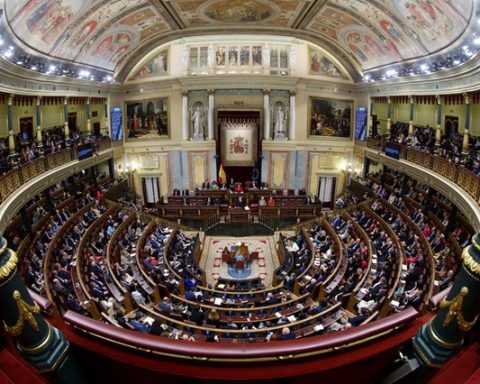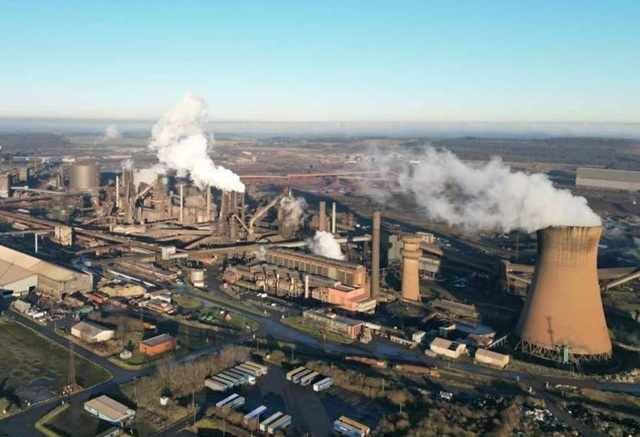
The UK government has unveiled draft legislation that would give ministers sweeping powers to seize control of steel assets under threat of closure. The bill, set to be debated in a rare Saturday sitting of Parliament, comes amid mounting fears over the future of British Steel’s Scunthorpe plant, which employs 3,500 workers and hosts the UK’s last two operational blast furnaces.
Prime Minister Sir Keir Starmer said on Friday that the emergency legislation would enable the government to intervene directly and prevent Jingye Group, the Chinese owner of British Steel, from permanently shutting down the Lincolnshire furnaces. “This is about national resilience and the protection of our industrial backbone,” Starmer said.
As reported by the Financial Times, senior government officials allege that Jingye had signaled a willingness to allow the furnaces to go cold — a step that would render them unusable forever. Talks between ministers and the company this week failed to reach a resolution, despite a government offer to fund the raw materials required to continue production. Business Secretary Jonathan Reynolds said the stalemate left ministers with “no option but to act.”
The proposed 10-page bill would grant ministers the authority to order steel firms to continue operating essential assets and to temporarily take ownership of those assets if companies refuse. Non-compliance could result in fines or up to two years in prison for company directors or managers, according to the legislation.
Industry Minister Sarah Jones warned that MPs now face a stark decision: back the bill or witness the collapse of Britain’s foundational steelmaking capabilities. “If blast furnaces are closed in an unplanned way, they can never be reopened. The steel solidifies inside — and that’s the end,” Jones told Sky News.
The bill also includes provisions for compensating steelmakers for costs incurred due to government directives. It states that the Secretary of State for Business may do “anything for the purpose of securing the continued and safe use of the specified assets.”
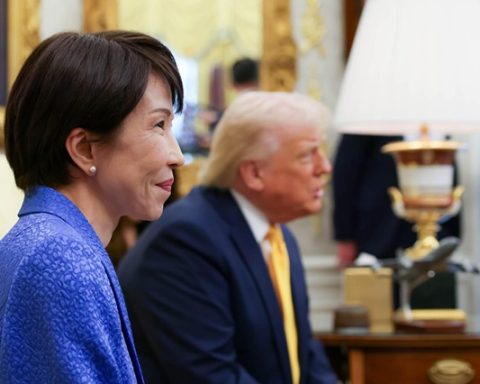
The intervention underscores the strategic importance of steelmaking in the government’s broader industrial policy. Starmer’s administration has allocated £2.5 billion to support the sector and is working on a wider industrial strategy to protect key industries, particularly in light of international pressures such as former US President Donald Trump’s 25% tariff on steel and aluminium imports — a policy that could resurface depending on the outcome of this year’s US election.
The Financial Times noted that the move could mark a shift in UK industrial policy, one not seen since the nationalisations of the post-war period. Commentators, including historian Ewan Gibbs, have pointed out that nationalisation is no longer the “spectre” it once was but rather a practical consideration in maintaining vital manufacturing infrastructure.