The United States is considering imposing a total blockade on oil imports to Cuba, a move that would mark one of the most severe escalations in Washington’s long-running pressure campaign against the island’s communist government. According to Politico, the proposal is being pushed by critics of the Cuban leadership within President Donald Trump’s administration and is backed by Secretary of State Marco Rubio, although Trump himself has not yet made a final decision.
The idea goes far beyond existing U.S. sanctions and the decades-old trade embargo, which has been in place since the early 1960s. Trump announced last week that his administration would block Venezuelan oil shipments from reaching Cuba, but officials cited by Politico said a full oil blockade would effectively place the country in a “chokehold,” depriving it of the fuel needed to keep its economy and basic services running.
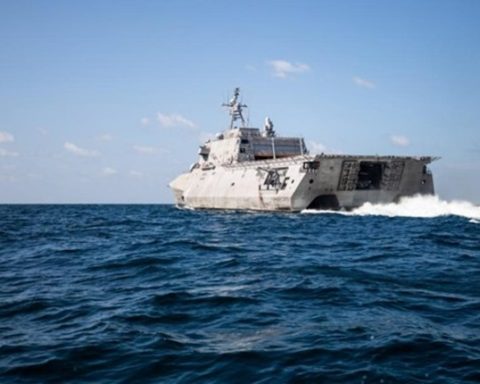
If implemented, the measure would be unprecedented in modern U.S.–Cuba relations. The last time Cuba faced the prospect of an American naval blockade was during the 1962 Cuban Missile Crisis, when President John F. Kennedy imposed a 13-day “quarantine” to stop Soviet missiles from reaching the island. Since then, Washington has relied on sanctions and diplomatic isolation rather than direct maritime enforcement.
The renewed pressure comes amid increasingly aggressive rhetoric from Trump, who has suggested that Cuba could be the next target of U.S. action following the recent abduction of Venezuelan President Nicolás Maduro. Trump warned that Havana was “ready to fall” and urged Cuba’s leadership to “make a deal, before it is too late,” without specifying what concessions Washington expects.
Secretary of State Rubio has echoed the confrontational tone. “If I lived in Havana and I was in the government, I’d be concerned,” he said in a television interview following Maduro’s capture. Cuban President Miguel Díaz-Canel has rejected the threats outright, insisting that Cuba is “a free, independent and sovereign nation” and that no external power dictates its decisions.
Behind the scenes, U.S. officials are reportedly exploring ways to accelerate political change in Cuba. The Wall Street Journal has reported that the administration is holding meetings with Cuban exiles and civic groups in Miami and Washington to identify potential insiders within the Cuban government who might be willing to defect or negotiate. Politico’s sources corroborated that assessment, with one saying that removing Díaz-Canel from power is viewed as a near-term objective, potentially by 2026.
A full oil blockade would carry significant risks, including the prospect of deepening Cuba’s economic and humanitarian crisis. The island is heavily dependent on imported fuel to generate electricity, transport goods and maintain essential infrastructure. Cutting off oil supplies entirely could lead to widespread power shortages and social unrest, outcomes that critics argue would disproportionately affect ordinary Cubans rather than the political elite.
International reaction has already been sharp. Russia has condemned what it calls the “language of blackmail and threats” directed at Havana, with Foreign Ministry spokeswoman Maria Zakharova denouncing decades of what she described as illegitimate and illegal U.S. sanctions against Cuba. Moscow’s response underscores the likelihood that a blockade would reverberate far beyond the Caribbean, drawing in global powers and raising the risk of broader geopolitical confrontation.
As the White House debates its next move, the possibility of a total oil blockade highlights the hardening of U.S. policy toward Cuba under Trump. It signals a willingness to revive tactics not seen since the height of the Cold War, placing the island once again at the center of a high-stakes struggle over sovereignty, influence and power in the Western Hemisphere.