by Our Correspondent in Doha
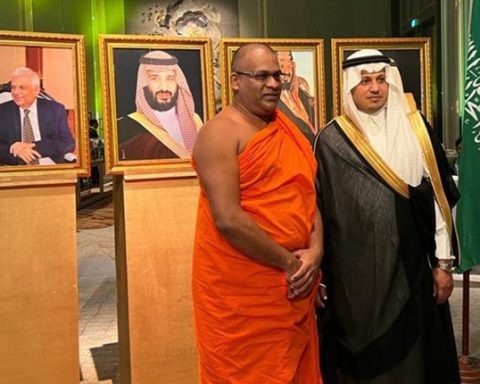
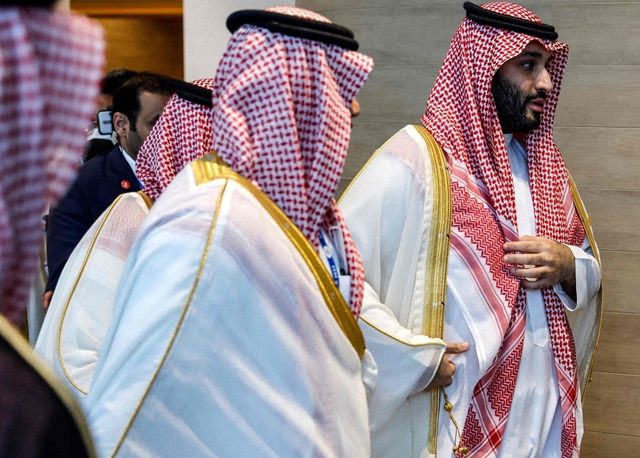
In a historic yet controversial development, Saudi Arabia and Israel have reportedly reached a breakthrough in their ongoing normalization talks. According to insiders familiar with the negotiations, Saudi Arabia has significantly shifted its position by no longer insisting on Israel’s recognition of Palestinian statehood as a precondition for normalization. Instead, Riyadh’s primary demand is for an immediate cessation of hostilities in Gaza.
This move has sparked widespread debate across the Arab and Islamic world, with many viewing it as a profound departure from longstanding regional solidarity with Palestine. Critics argue that such normalization, even without a resolution to the Palestinian statehood issue, represents a betrayal of the Palestinian cause.
A New Phase in Arab-Israeli Relations?
Normalization between Saudi Arabia and Israel has been a topic of speculation and diplomatic maneuvering for years. If formalized, such an agreement would mark a significant shift in Middle Eastern geopolitics. Observers suggest it could pave the way for other Arab and Islamic nations, including influential countries like Indonesia, Qatar, and Oman, to reconsider their stances on Israel. However, it also risks further polarizing the region and undermining the symbolic leadership role Saudi Arabia has traditionally held in the Arab and Islamic worlds.
Palestinian Reaction and Regional Criticism
Palestinian advocates and activists have denounced the potential deal, highlighting that even under previous terms, normalization with Israel would have been seen as a betrayal. The absence of demands for Palestinian statehood recognition exacerbates these concerns, with many accusing Saudi Arabia of legitimizing Israeli policies without securing any meaningful concessions for Palestine.
One commentator expressed outrage, stating, “There is no such thing as ‘Israel’ or the ‘West Bank’ or ‘Gaza’; they are all Palestine. Saudi Arabia normalizing ties without even insisting on Palestinian statehood is a shame on the Islamic world.”
U.S. Military Presence in Syria Grows Amid Regional Unrest
Meanwhile, the geopolitical landscape in the Middle East continues to evolve as reports indicate a heightened U.S. military presence in Syria. The Pentagon has confirmed an increase in American troops, now numbering 2,000, significantly above previous levels of 900. Israeli media further claims that a high-level U.S. delegation, led by Barbara Leaf, the State Department’s top diplomat for the Middle East, will soon travel to Damascus. The delegation is reportedly set to engage with Abu Muhammad Al-Jolani, leader of Hay’at Tahrir al-Sham (HTS), in what would mark the first official U.S. meeting with the controversial figure.
Implications for Regional Stability
The potential normalization between Saudi Arabia and Israel, combined with the evolving U.S. role in Syria, raises questions about the future of regional stability. While proponents of normalization argue it could bring economic and strategic benefits, critics warn of the long-term consequences of sidelining the Palestinian cause and further entrenching divisions in the Arab world.
As these developments unfold, the region remains on edge, with many awaiting official announcements and the potential ramifications of these historic yet polarizing decisions.